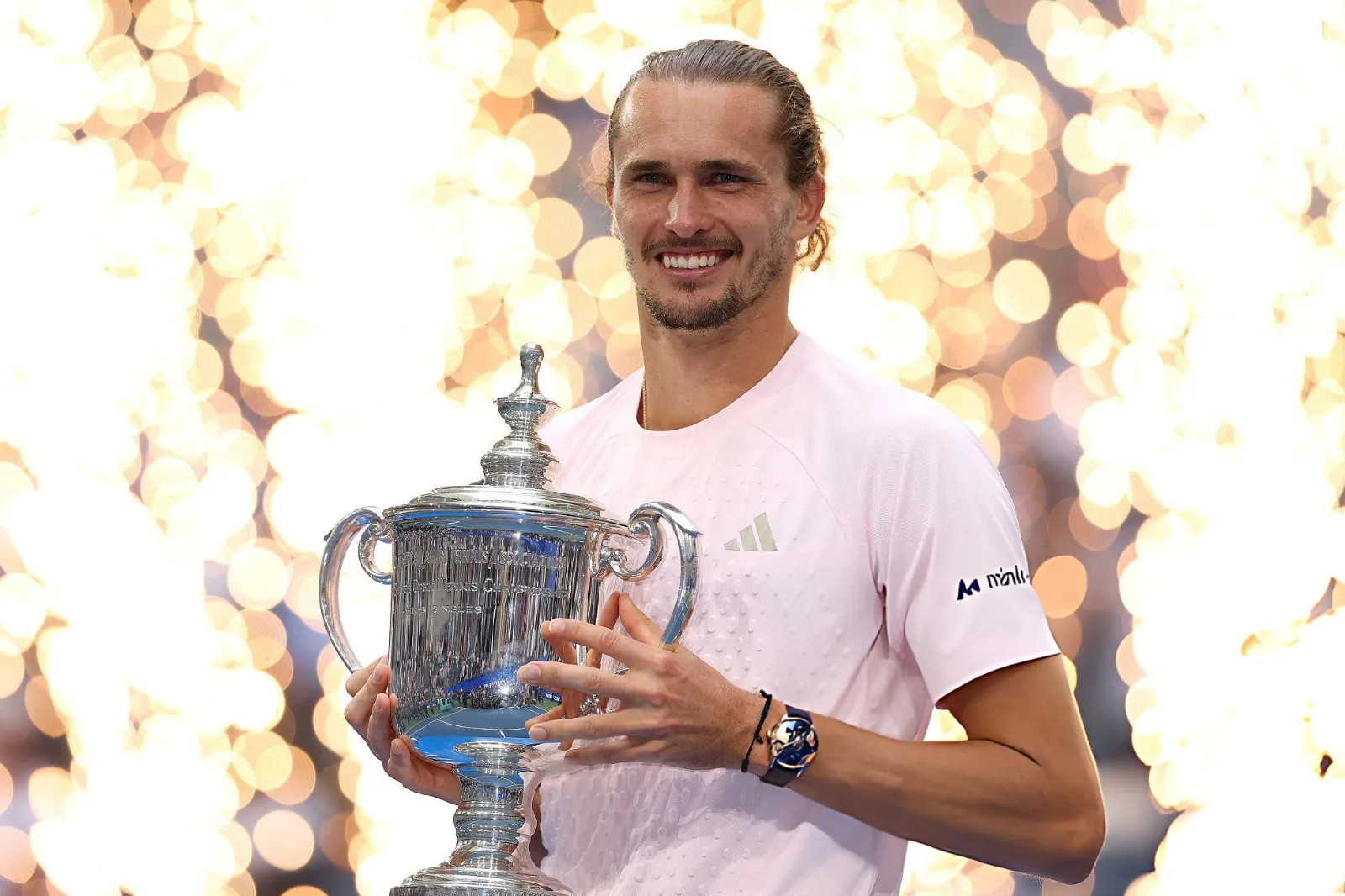
Three months after winning the Roland Garros, the German defeated the local player 6-3, 7-6 (2), 5-7, and 6-2, and was crowned in his second Grand Slam
As the games progressed, the gap became increasingly difficult for Shelton to overcome. Zverev maintained his concentration and held his serve to complete the 6-2 that gave him victory and allowed him to lift the US Open trophy for the first time and add the second Grand Slam of his career, just three months after his triumph at Roland Garros.
The victory also had a special significance due to the location. Six years ago, Zverev was on the brink of glory in New York. In the 2020 edition, he had two sets lead and was just a few points away from defeating the Austrian Dominic Thiem in the final, but ended up letting the match slip away. This time, in the same setting, he managed to close the story in a completely different way.
The title also allowed him to reach a historic milestone: he became the second German player to win the US Open, after Boris Becker in 1989, and just the fourth player of the Open Era to win the first two Grand Slams of his career in the same season.
For Shelton, the defeat marked the end of an unforgettable tournament. The American was close to becoming the first local player to win a Major since Andy Roddick in 2003, but ended up facing a Zverev who, after years of frustration, finally managed to be crowned in New York.
It is worth noting that, due to Zverev's victory, Juan Martín del Potro remains the last non-European player to win a Grand Slam. The Tower of Tandil lifted the title at the US Open in 2009, and since then, in the 67 tournaments held afterward, there have only been champions from the Old Continent.
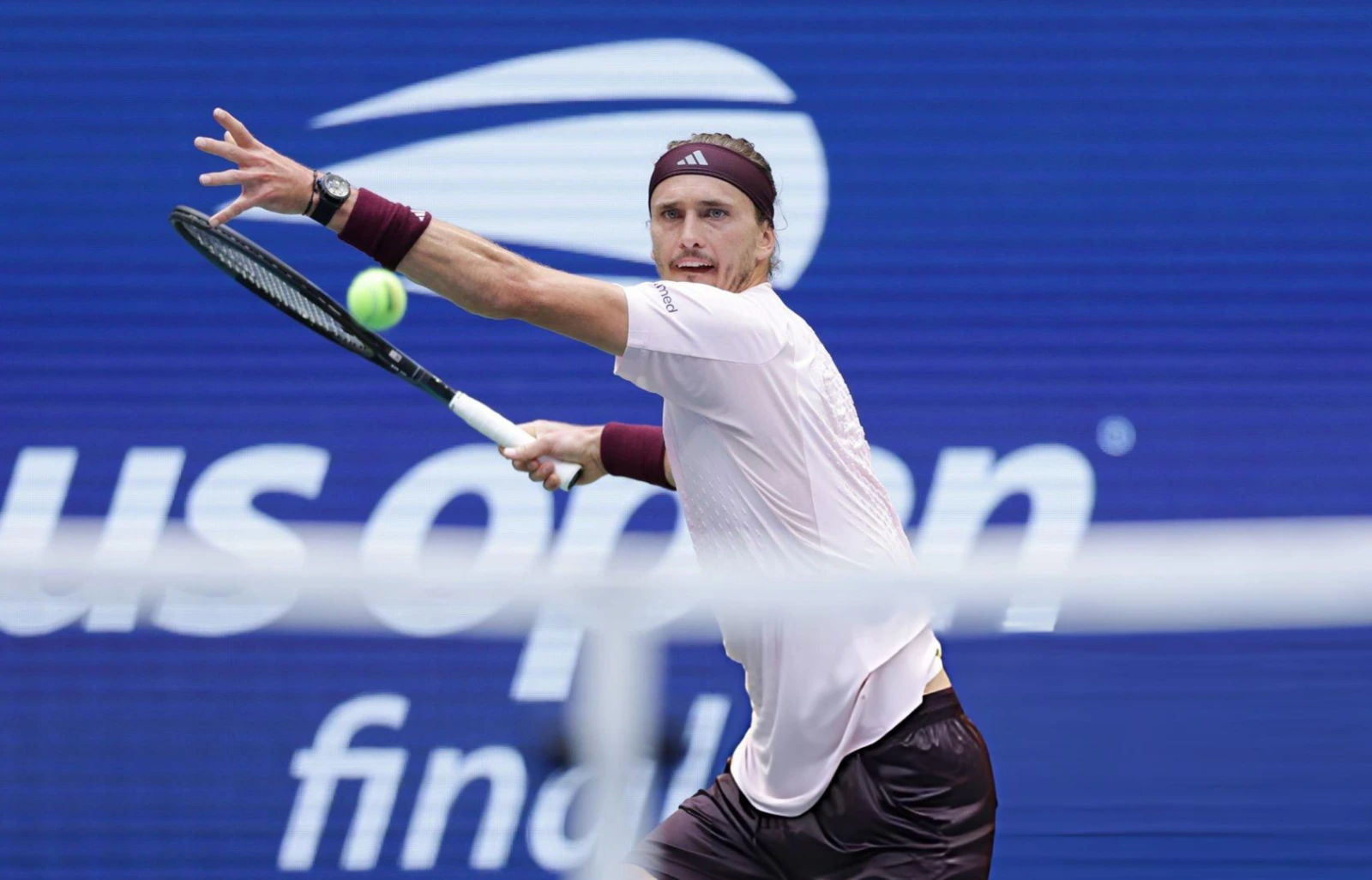
New York once again became the setting for a story that seemed pending for six years. Alexander Zverev (2nd) returned to the main court of the US Open, where in 2020 he was one step away from becoming champion and ended up suffering one of the most painful defeats of his career. This time, against local player Ben Shelton (9th), there was no room for another fall: the German won 6-3, 7-6 (2), 5-7, and 6-2 and lifted the trophy in Flushing Meadows for the first time.
The match began with Zverev much more solid. The world number two quickly took the initiative, pressured his opponent's serve, and achieved a break that allowed him to take control of the first set. Shelton, who was playing the first Grand Slam final of his career, committed two double faults at crucial moments and never managed to find the consistency needed to trouble the German, who took the first set 6-3.
The second set was much more even. Shelton changed his strategy, tried to break free from the constant exchanges from the baseline, and sought the net to avoid getting caught in Zverev's rhythm. The American improved his level, held his serve, and took the match to a tie-break. There, the German's experience reappeared. Zverev won the first five points of the tiebreak, took an insurmountable lead, and ended up winning 7-2, going up two sets and one step away from claiming the trophy.
With hierarchy, Zverev took the lead in the match with two consecutive sets
However, Shelton found a reaction in the third set. Zverev began to show some inaccuracies, and the American took advantage to attack more aggressively, especially on his opponent's forehand. The German lost effectiveness and accumulated unforced errors, while Shelton grew stronger as the games progressed. The set stretched to the final moments. When it seemed that Zverev was going to take it to another tie-break, Shelton increased the pressure and managed to take the set 7-5 to reduce the deficit and keep the final alive.
Despite the American's recovery, the German did not allow the match to slip away. In the fourth set, the local player had managed to get back into the match, but Zverev responded quickly and found a break in the opening game that allowed him to take a key lead. From then on, the German regained the consistency he had shown for much of the set and began to gradually move towards the finish. The American tried to react, but could no longer maintain the intensity of the previous set.