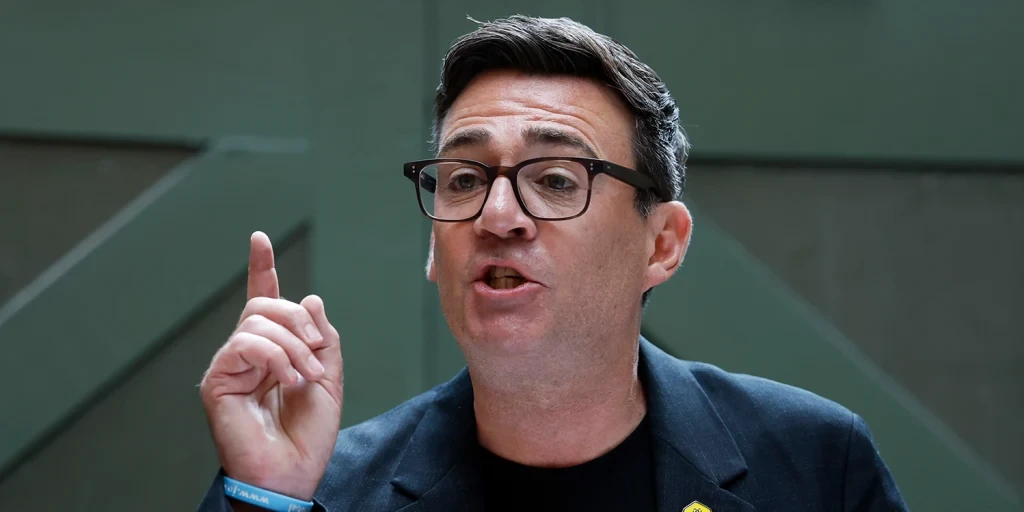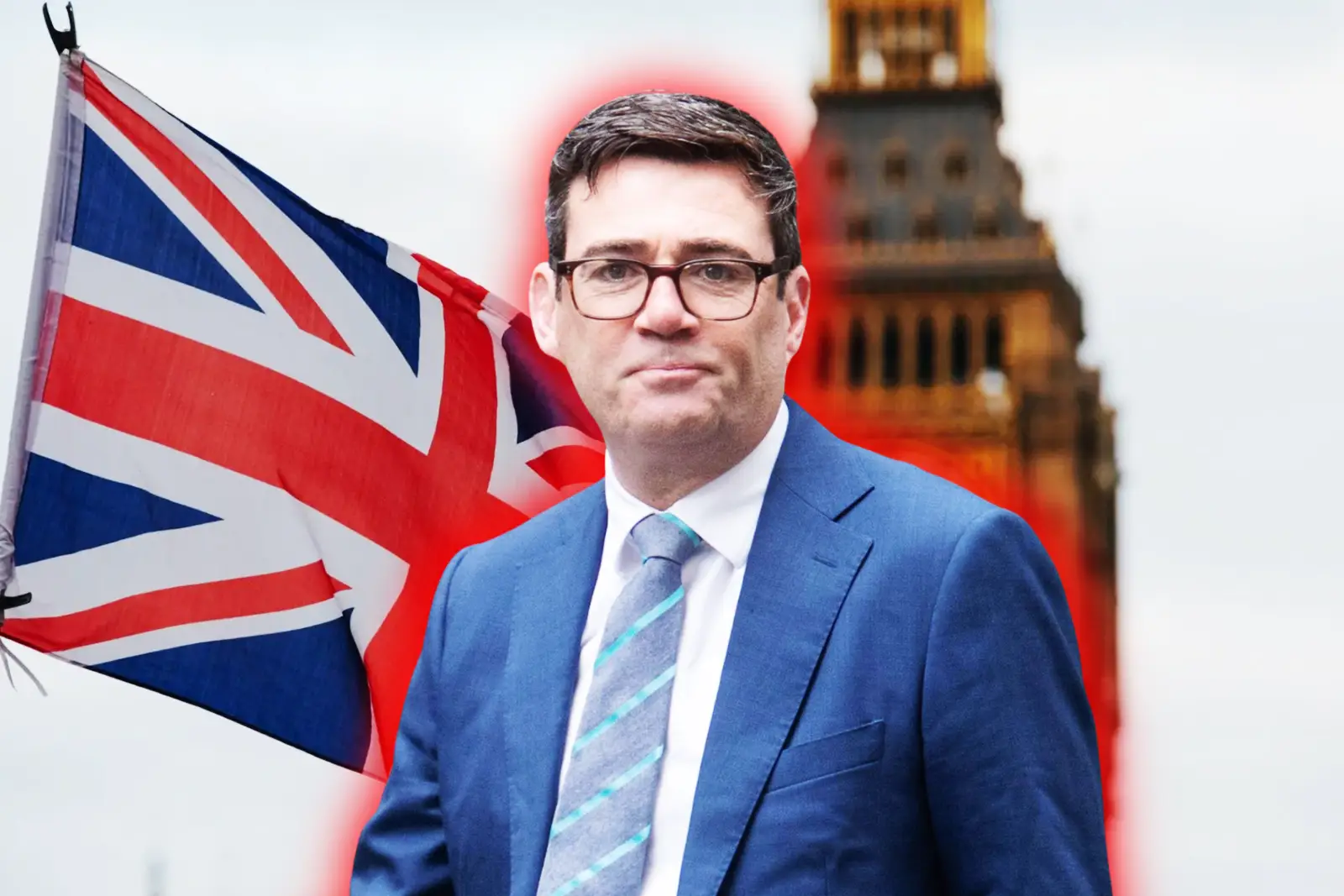

The new Prime Minister of the United Kingdom, the leftist Andy Burnham, is moving forward with a restructuring plan for the UK Foreign Office that includes a comprehensive review of foreign policy and a return to the goal of allocating 0.7% of the Gross Domestic Product (GDP) to "international aid".
According to high-level sources from the Labour Party cited by The Independent, “close collaborators of Andy Burnham” have initiated contacts with specialists within the political space to assess possible structural changes in the diplomatic portfolio.
The initiative aims to establish a concrete roadmap both in terms of international cooperation and the country's positioning in relation to major global conflicts.
Andy Burnham
Changes in Foreign Policy
Among the central axes of the redesign is the need to set a "defined stance" on the UK's participation in the war against the Iranian regime, as well as the level of military support to the United States.
It also includes building a relationship with Ukrainian President Volodymyr Zelensky, in the context of the conflict between Ukraine and Russia.
Within the framework being analyzed, expectations are growing that the current Secretary of Energy, Ed Miliband, will take on the role of Secretary of Foreign Affairs in the administration led by Burnham. If realized, he would have explicit authorization to prioritize "climate goals" within the ministry's agenda.
The possible appointment of Miliband would represent a shift towards more leftist positions in international politics, especially regarding the Middle East.

Andy Burnham
In this regard, Burnham recently questioned the strategy adopted in the war against Hamas in Gaza by stating that it “had not been good enough,” suggesting a hardening of the stance towards Israel, even with possible sanctions.
The reformist push comes amid internal tensions within the Labour Party over cuts to funds allocated for "international assistance".
Some sectors expressed their discontent with the decision by Keir Starmer and the Chancellor of the Exchequer, Rachel Reeves, to reduce that budget to 0.2% of GDP, without establishing a timeline for its recovery.
The goal of 0.7% of GDP in international aid had been achieved during the government of Gordon Brown and was maintained under the conservative administration of David Cameron. However, that target was subsequently reduced during the terms of Boris Johnson, Rishi Sunak, and Starmer himself.