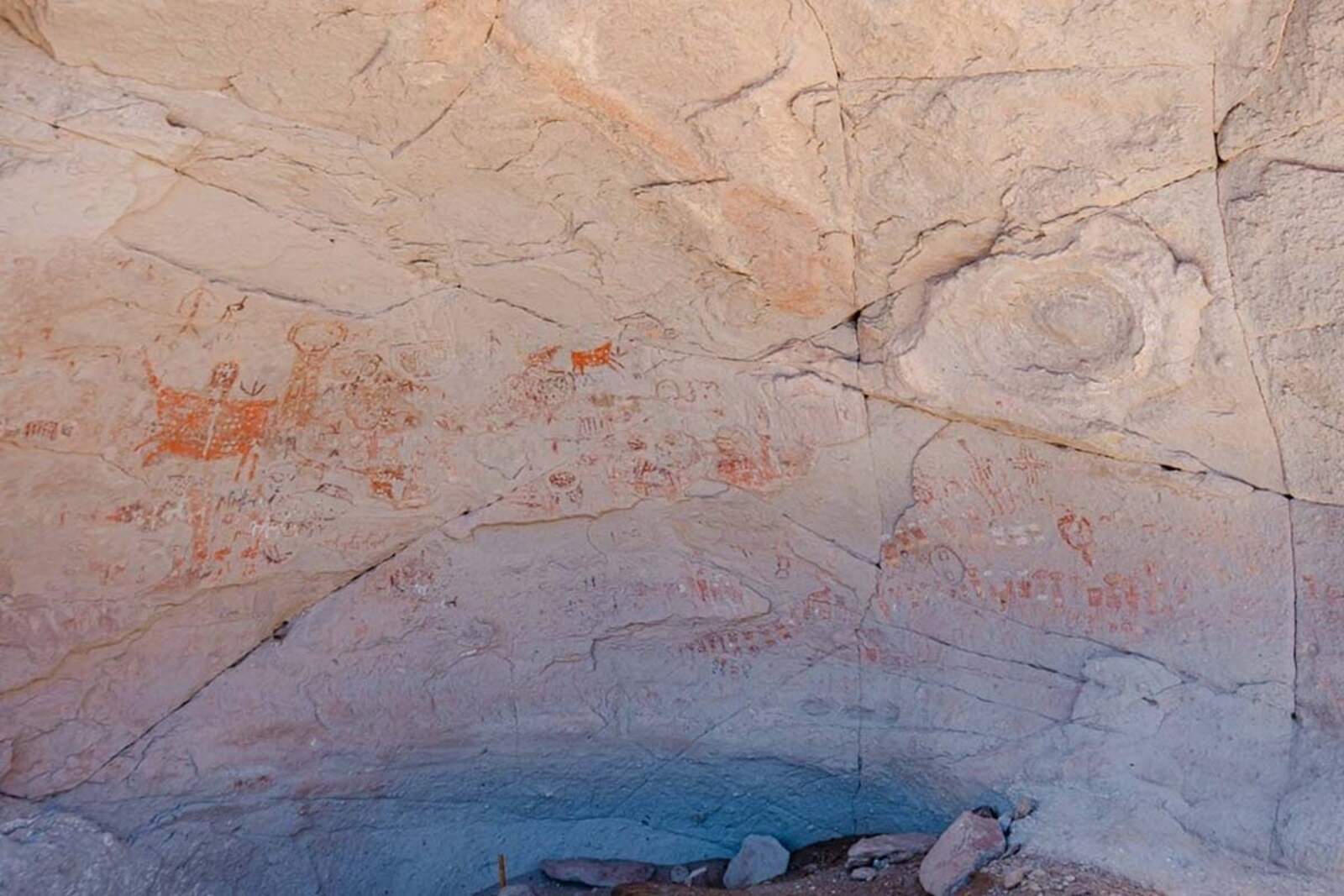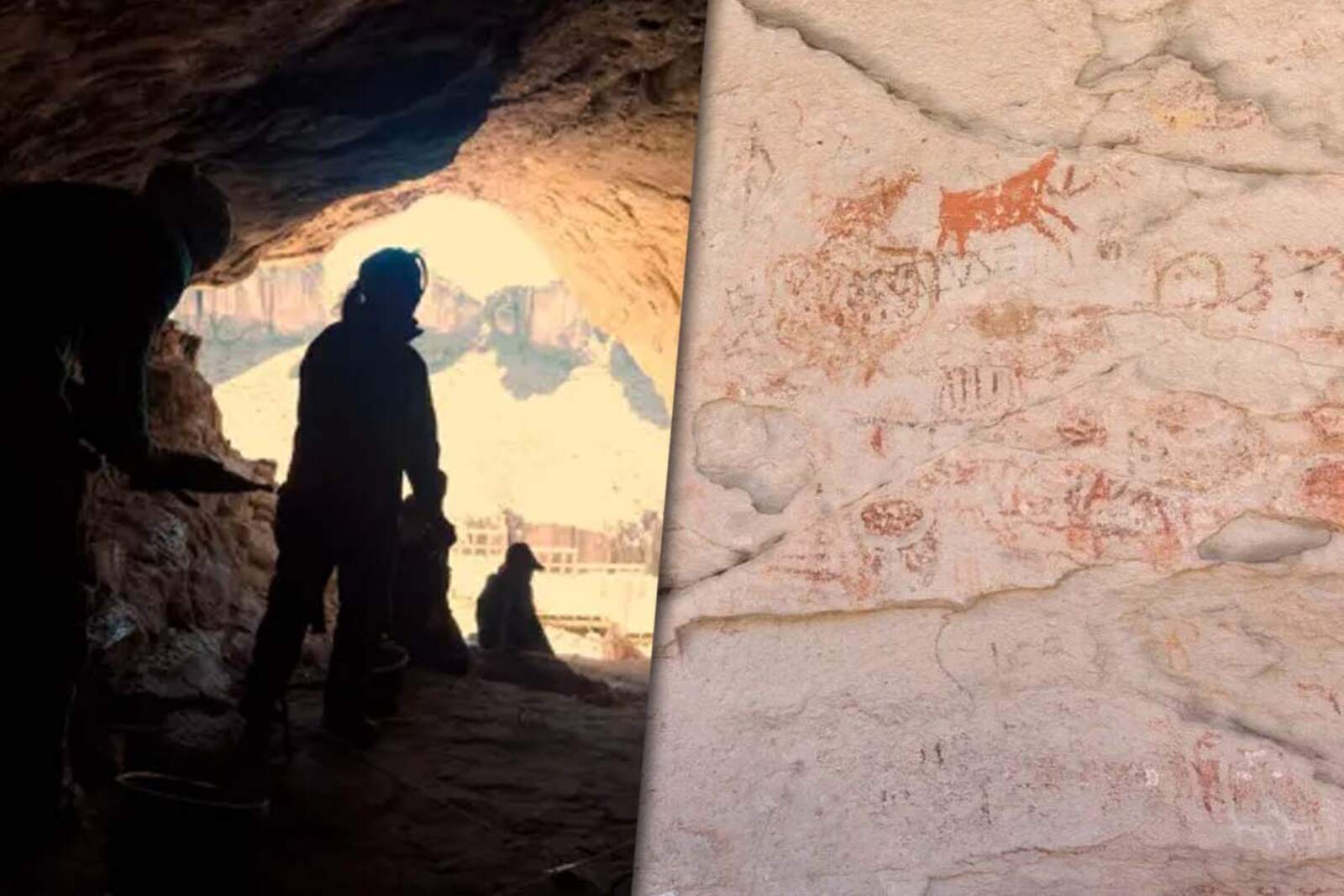

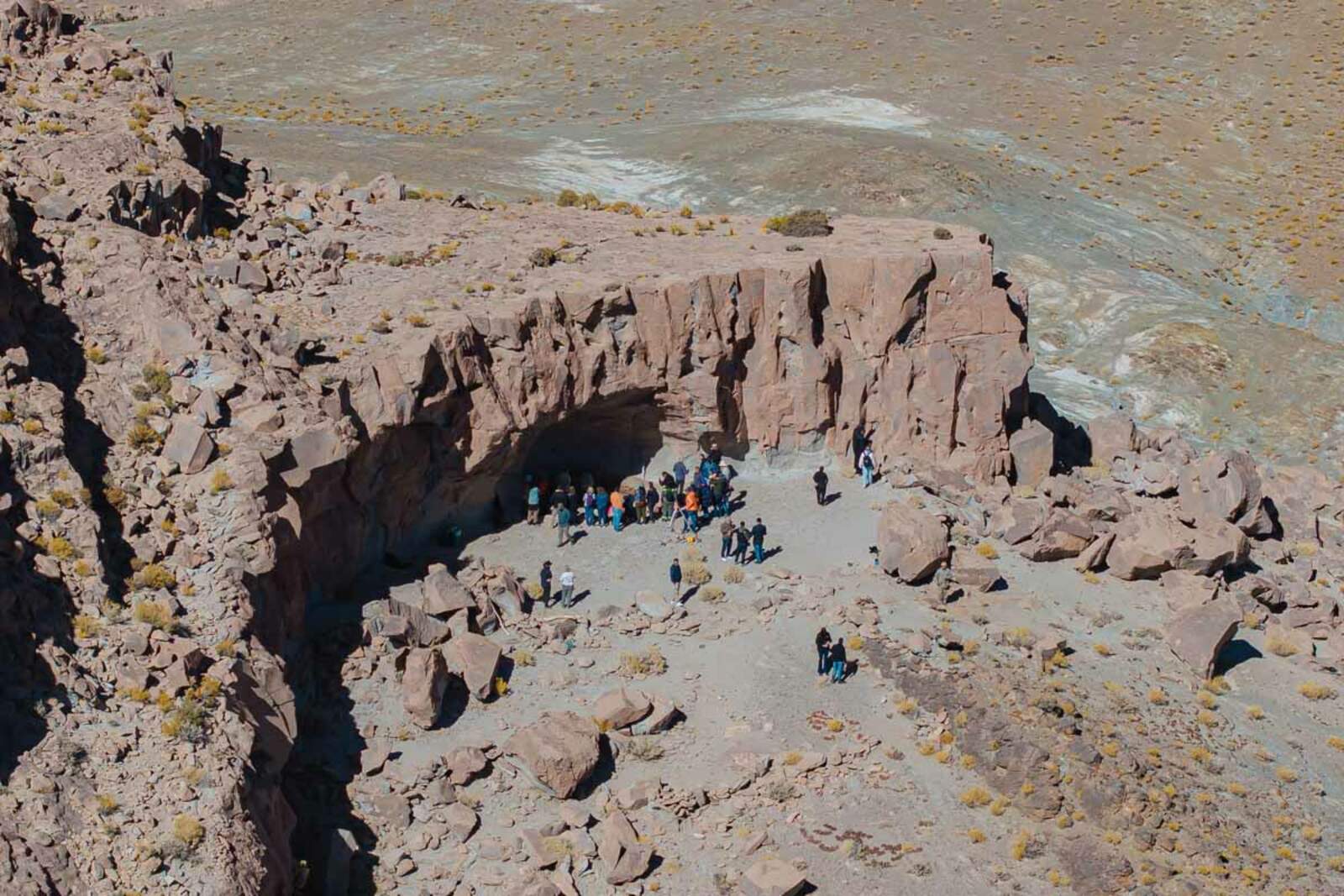
An archaeological discovery in Catamarca has shaken the scientific world. Remains found in Cueva Cacao, in Antofagasta de la Sierra, reveal that the first humans inhabited South America between 30,000 and 40,000 years ago.
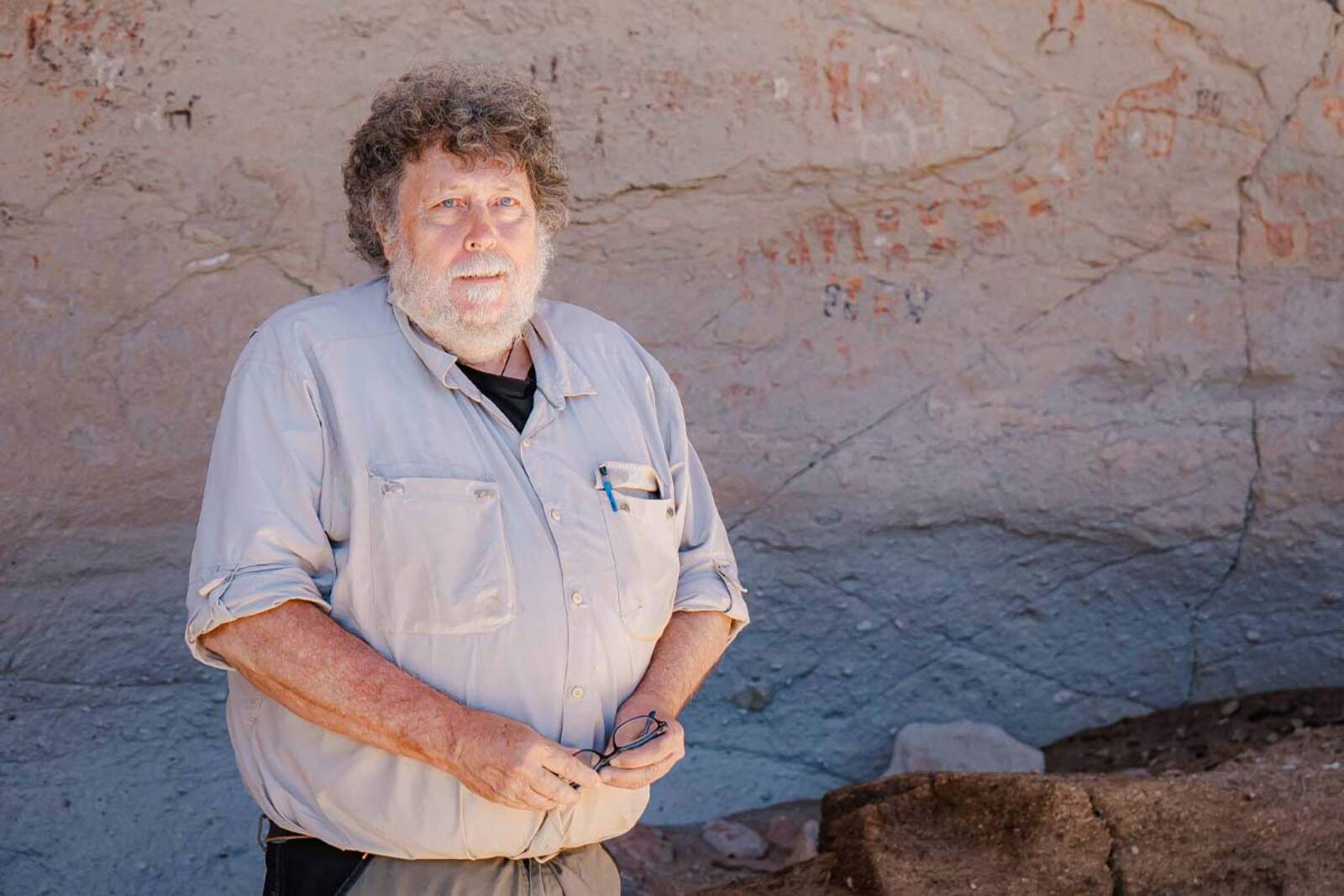
The discovery was made by a team from the Universidad Nacional de Tucumán, CONICET, and French specialists, with support from the Consejo Federal de Inversiones and the Embassy of France. If the datings are confirmed, Argentina will have the oldest human record on the continent.
A discovery that challenges classical theories
Until now, it was believed that the first Homo sapiens arrived in America about 13,000 years ago by crossing the Bering Strait from Asia. However, the new evidence doubles that age and suggests much earlier migrations, even through alternative routes.
The researchers found megafauna ribs, lithic tools, and plant fibers dating from between 37,000 and 42,000 years ago. According to Cristian Melián, director of Archaeology of Catamarca, "these findings show that Catamarca is the place where humans have lived the longest in Argentina."