The agreement will allow for reduced logistics times and optimized competitiveness in the private sector
Nuevo
Agregar La Derecha Diario en
Compartir:
One week after the confirmation of the bilateral trade agreement, the Government of Javier Milei took an additional step in its strategy of alignment and cooperation with the United States.
The Revenue and Customs Control Agency (ARCA) signed a cooperation agreement in Washington with the U.S. Customs and Border Protection Office (CBP), an understanding that will modernize the way both countries share information.
The Argentine tax agency stated: “Today we signed a cooperation agreement with the U.S. Customs and Border Protection Office, a key step to deepen the modernization, digitization, and automation of customs processes between both countries.”
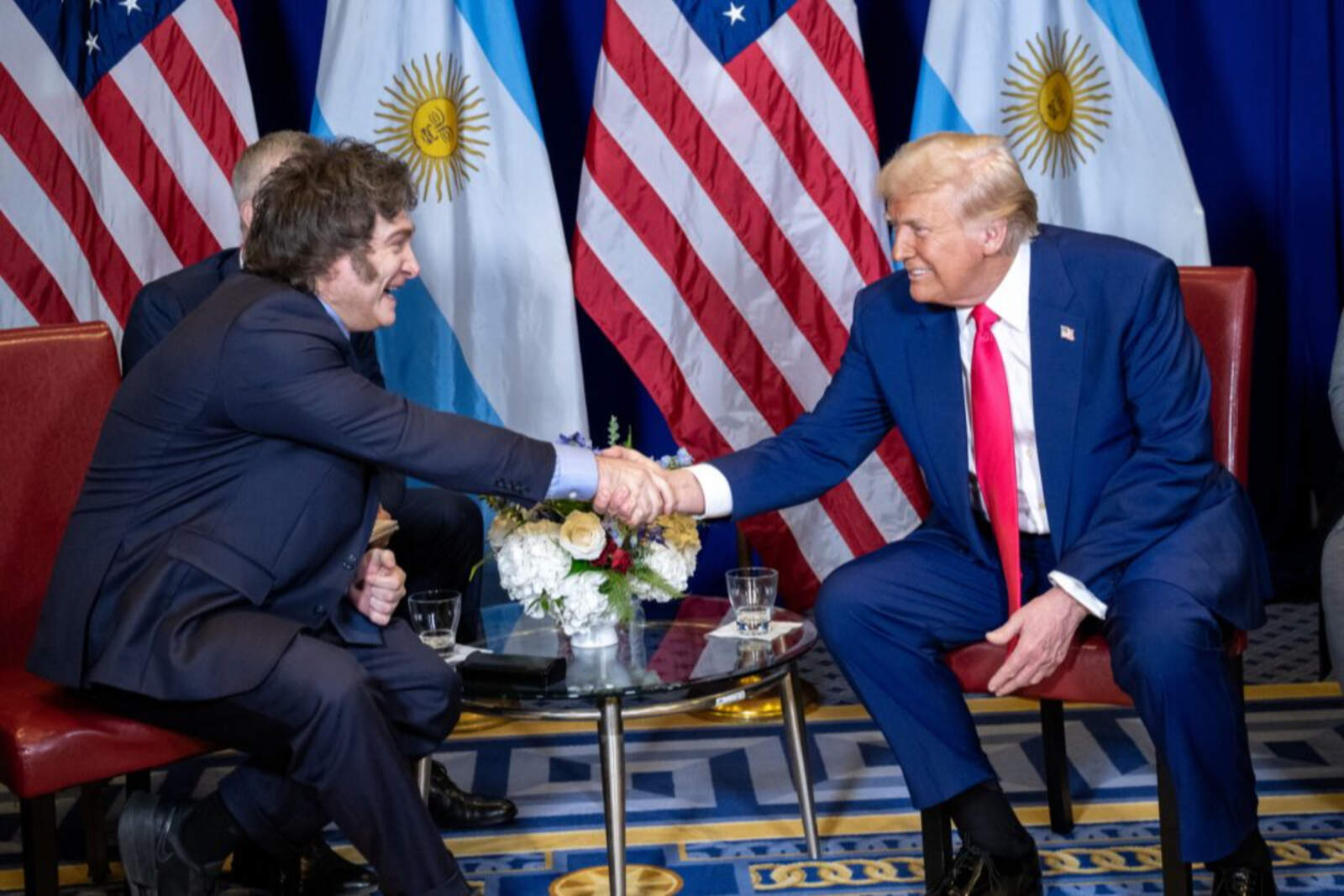
Javier Milei y Donald Trump.
The formal signing took place in the U.S. capital with the presence of the head of ARCA, Juan Pazo, the Director General of Customs, Andrés Veliz, and the Deputy Executive Assistant Commissioner of CBP, Donald R. Stakes.
The Argentine agency also highlighted the strategic scope of the understanding. “This agreement allows us to strengthen bilateral coordination, enhance early threat detection, and combat transnational crimes, aligning our work with the international standards of the World Customs Organization,” they stated after the signing.
The agreement also aims to improve foreign trade operations in practical terms. Cooperation with CBP will reduce logistics times, optimize the competitiveness of the private sector, and continue advancing toward a fully digital customs system, an objective that the Government of Javier Milei highlights as part of a structural reform of the customs system.
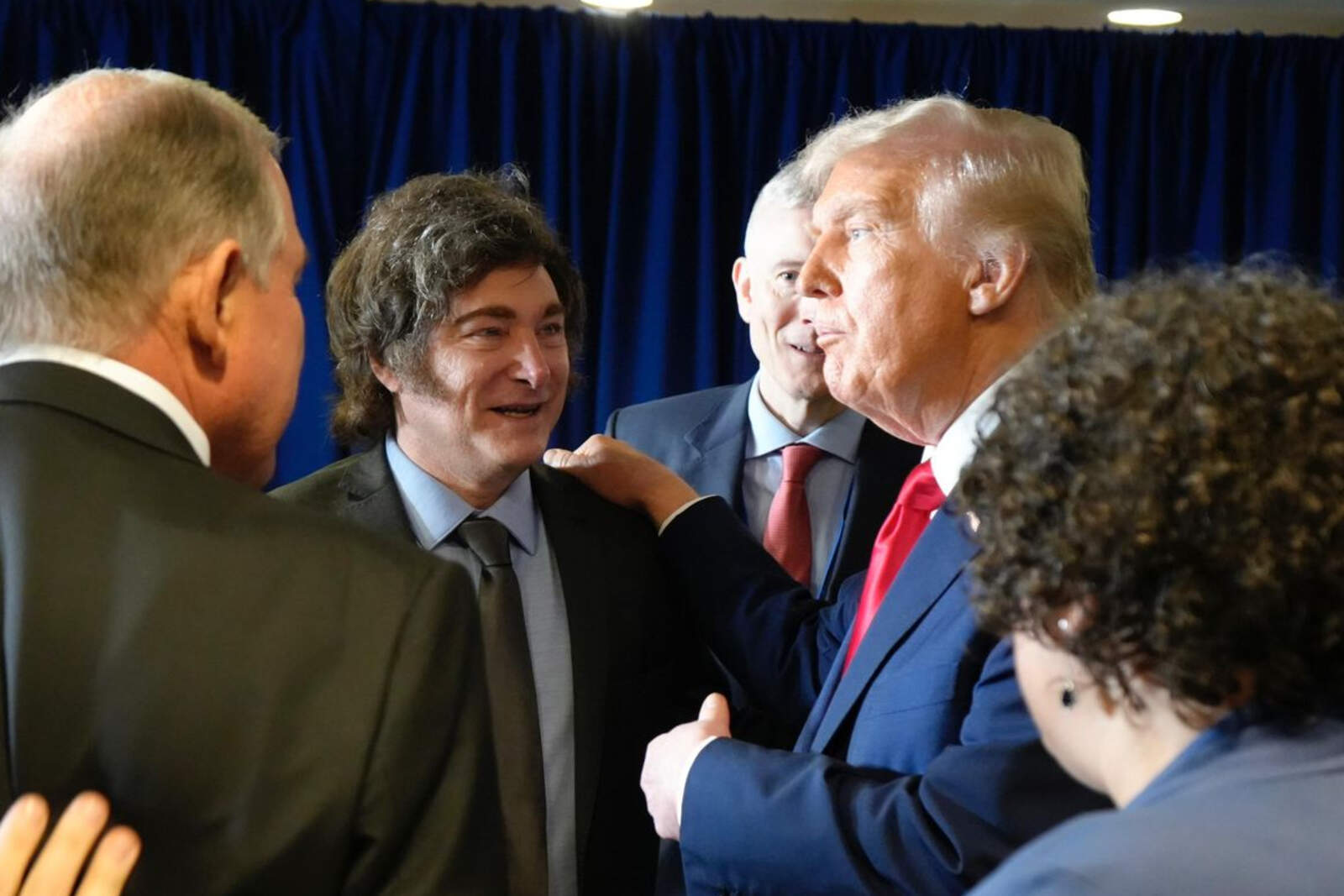
El presidente Javier Milei.
The agreement was signed in parallel with the bilateral understanding released by the White House, where both countries reaffirmed their commitment to facilitate investments and the trade of critical minerals, an increasingly strategic sector. The decision to work jointly to “stabilize the global soybean trade” was also included, a key point for Argentina given the centrality of that sector within its exports.
A historic cooperation that deepens
Washington has maintained since the 1990s a Trade Transparency Unit designed to identify global trends and detect cases of money laundering through trade-based operations (TBML, for its acronym in English).
That office conducts ongoing analyses of international trade data through partnerships with transparency units from other countries, including Argentina. However, the signing of the new agreement represents a qualitative leap in the speed and accuracy of information exchange between the two administrations.