The Argentine defenseindustry has added a new development aimed at addressing one of the threats that has expanded the most in recent years: drones.
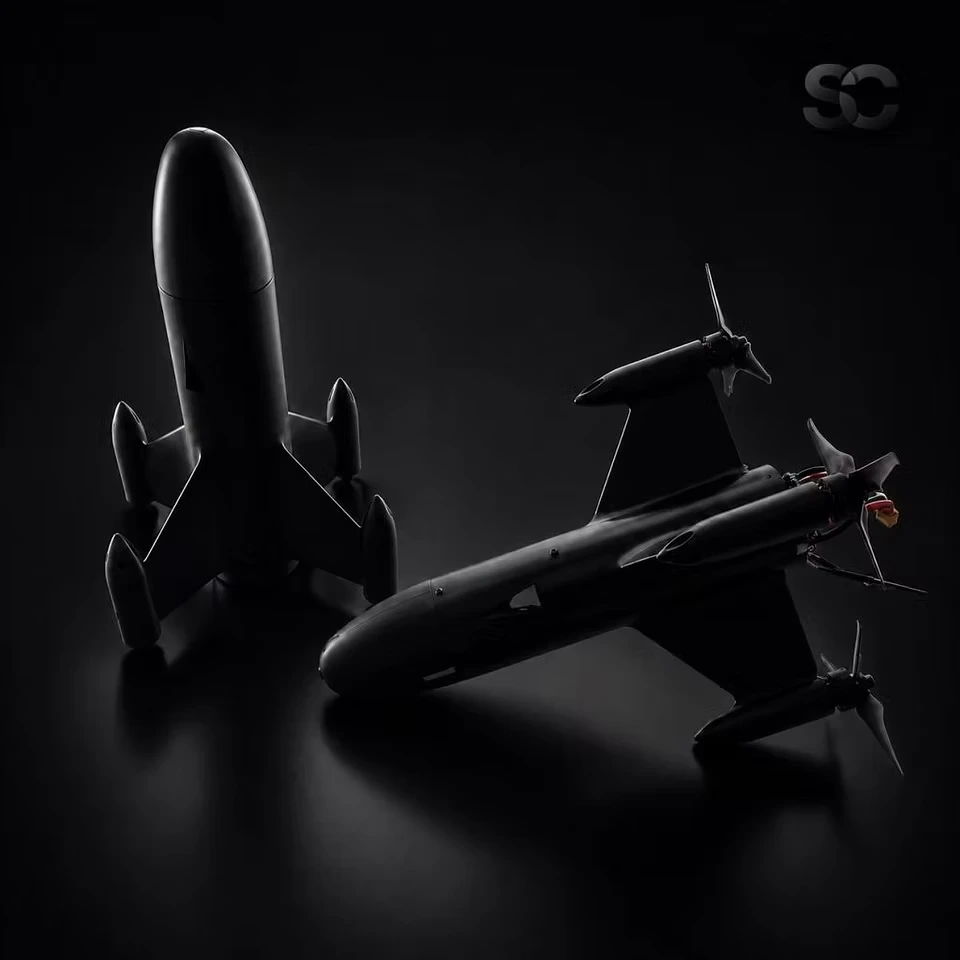
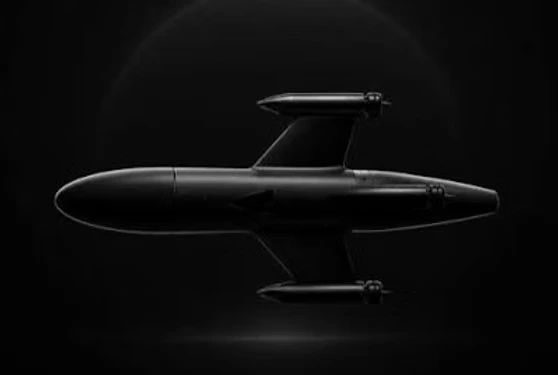
The Argentine company Sanco Defense and the Brazilian company Taurus Armas have developed the Falco-P, a FPV interceptor designed to neutralize unmanned aerial vehicles through high-speed kinetic interception.
According to information released by Sanco Defense, the Falco-P is being developed and manufactured in Buenos Aires, where production is already active. The company has set a goal of achieving a capacity of 2,000 interceptors per month by the fourth quarter of 2026.
The proposal stems from an increasingly relevant need for defense capabilities: to respond to small, cost-effective drones capable of operating in large numbers. In this context, the project aims to develop a system that can be quickly manufactured and deployed in volume.
The Falco-P
A system against drones
Sanco Defense defines the Falco-P as an “FPV interceptor” and primarily positions it for Counter-UAS missions, that is, aimed at confronting unmanned aerial systems. The design also considers its use against ground targets.
Unlike a conventional drone intended for reconnaissance or attack, the concept of the FPV interceptor uses the aircraft itself as a neutralization mechanism. In this case, the Falco-P is designed to physically reach another aerial vehicle through high-speed kinetic interception.
The development also incorporates technology based on high-power pulsed microwaves, aimed at affecting electronic components, positioning systems, and flight control mechanisms of hostile drones.
In this way, the system combines two different capabilities within the same proposal: physical interception and an electromagnetic alternative aimed at affecting the electronic systems of threats.
The Falco-P
Large-scale production
One of the central points of the project is its commitment to industrial manufacturing. Sanco Defense proposes a target capacity of 2,000 units per month, making volume production one of the main components of the program.
The company states that the Falco-P is currently in the prototype testing stage, while the industrial infrastructure is preparing to progressively increase production.
The goal involves taking manufacturing far beyond a craft-based FPV drone scheme and moving towards a model capable of generating large quantities of interceptors. The idea is to combine low cost, manufacturing speed, and mass availability to respond to scenarios where threats may also appear in large numbers.
A commitment to anti-drone defense
The Falco-P thus joins a new generation of systems specifically designed for the fight against drones. Its development between an Argentine company and a Brazilian one also adds a component of regional cooperation within the defense industry.
With manufacturing located in Buenos Aires and a production goal of 2,000 units per month by the fourth quarter of 2026, the project aims to turn the interceptor into a scalable platform to confront the proliferation of unmanned systems.