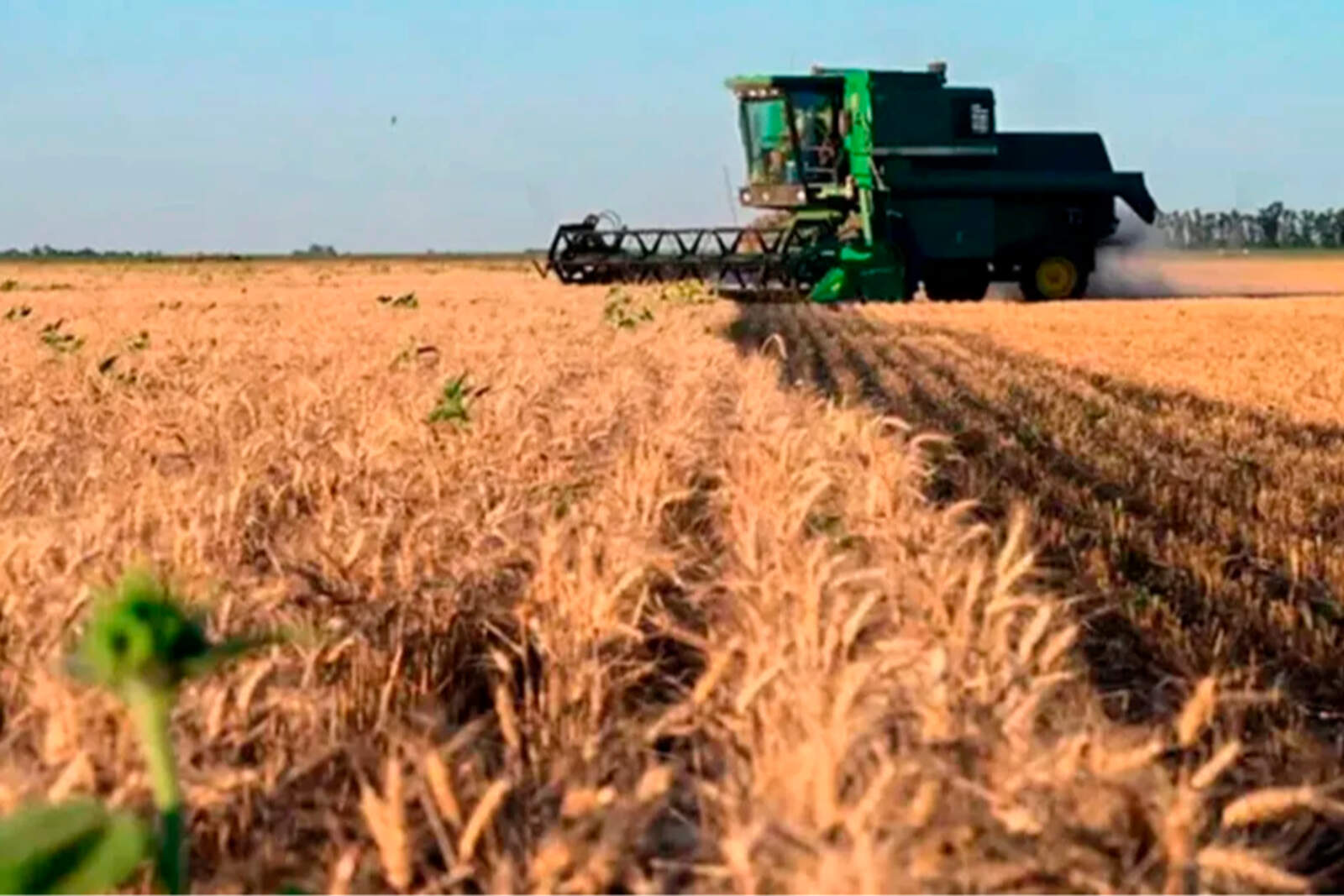
The government's decision to eliminate export taxes on agricultural products led to a historic trade surplus
Nuevo
Agregar La Derecha Diario en
Compartir:
Argentina returned to a surplus: the country achieved a positive trade balance of USD 921 million in September, according to the National Institute of Statistics and Censuses (INDEC). This result—one of the highest of the year—was driven by the decision of the Minister of Economy, Luis Caputo, to reduce grain export duties to zero, a measure that remained in effect until reaching a quota of USD 7 billion, a target that was met in just three days.
The official report specified that exports totaled USD 8.128 billion, while imports amounted to USD 7.207 billion, leaving a positive balance of USD 921 million. This improvement in the trade balance—after months of sustained recovery—translates into a 16.9% year-on-year increase in exports, driven by a 16.5% increase in exported quantities and a 0.3% increase in prices.
La Argentina de Javier Milei registró en septiembre un histórico superávit comercial de USD 921 millones
By sector, primary products led growth with sales of USD 2.025 billion, an increase of 24.9%, followed by agricultural manufactures (USD 2.982 billion, +11.2%), industrial manufactures (USD 2.155 billion, +3.5%), and fuels and energy (USD 967 million, +25%). On the import side, intermediate goods led with USD 2.253 billion (+1.6%), followed by capital goods (USD 1.577 billion, +47.7%) and parts and accessories for capital goods (USD 1.302 billion, -1.3%).
The Ministry of Economy celebrated the data enthusiastically. "Trade exchange is growing. In September 2025, Argentina's trade exchange was USD 15.366 billion, 18.7% higher than the same month of the previous year, with a positive balance of USD 921 million," the official account of the ministry highlighted on the social network X.
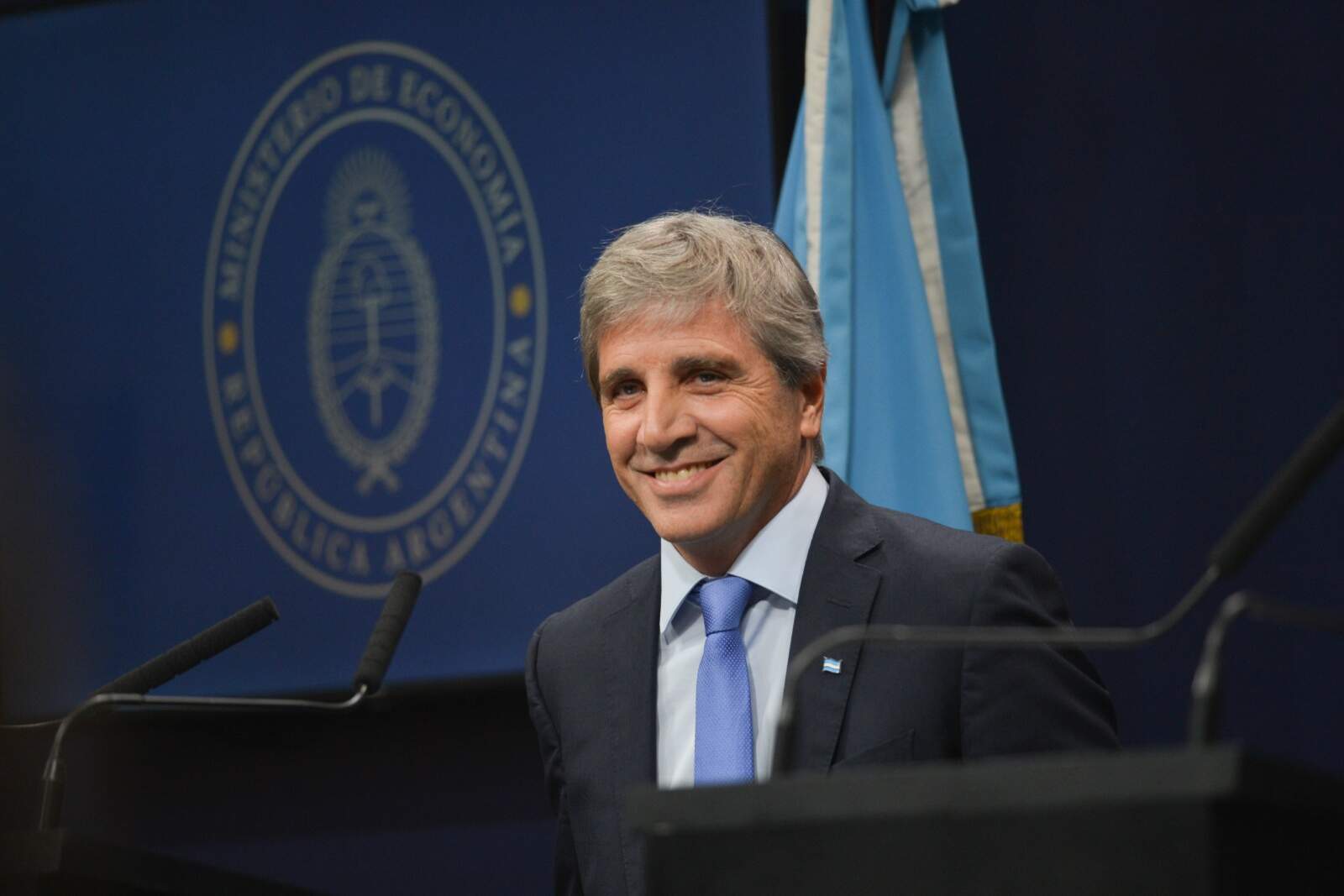
El ministro Luis Caputo.
However, some agricultural sectors raised concerns. Sociedad Rural Argentina (SRA) questioned that the greatest benefits went to the large grain companies. According to a survey by its Institute of Economic Studies and International Negotiations (IEEyNI), between the start and end of the program, producers marketed 6.2 million tons of soybeans, corn, wheat, sorghum, barley, and sunflower, for a FOB value of USD 2.277 billion, just 33% of the total target of USD 7 billion.
SRA called for "greater predictability regarding the future value of products" and emphasized the need to guarantee "fairer conditions for producers." Nevertheless, sector analysts agree that the measure succeeded in injecting fresh dollars into the market and containing pressure on the exchange rate, allowing the Central Bank to intervene within the exchange band and avoid a speculative surge.
According to consulting firm 1816, after meeting international commitments, the Treasury would have USD 40 million in immediate availability, a figure that demonstrates the level of efficiency in the use of public resources and the fiscal discipline promoted by the Government.