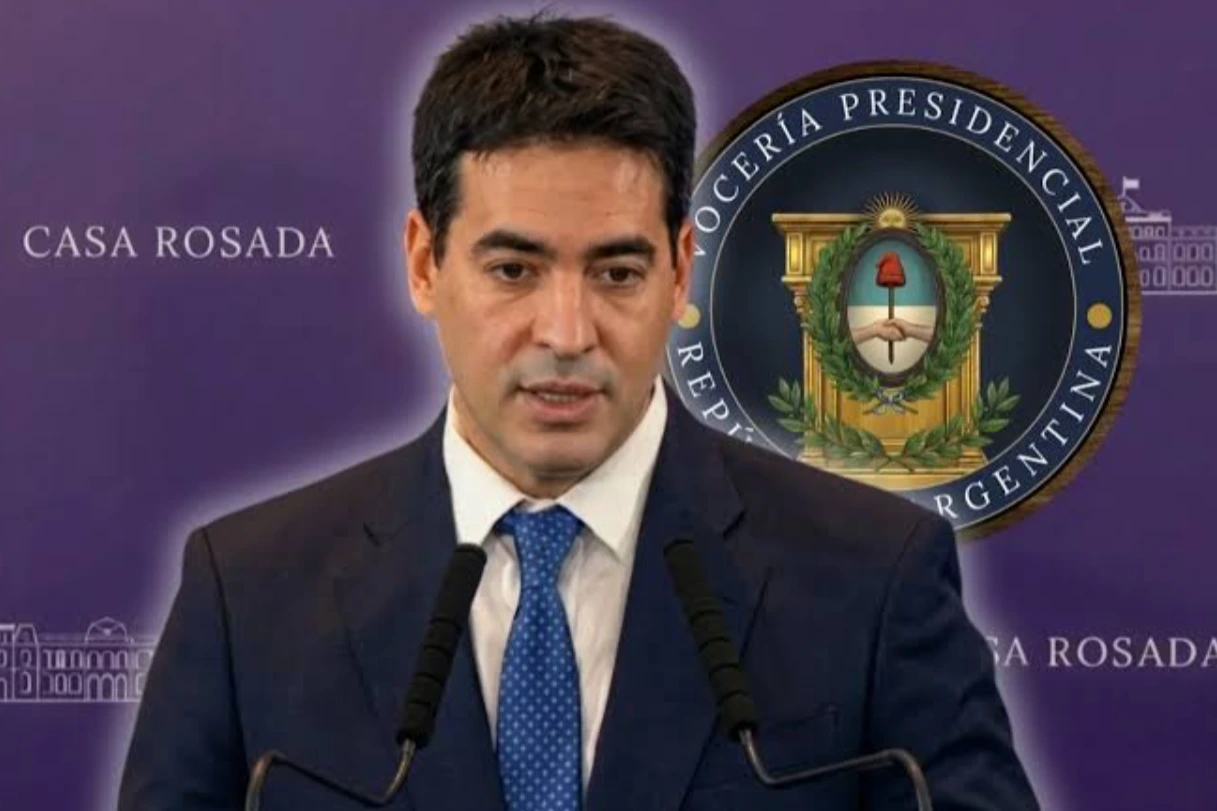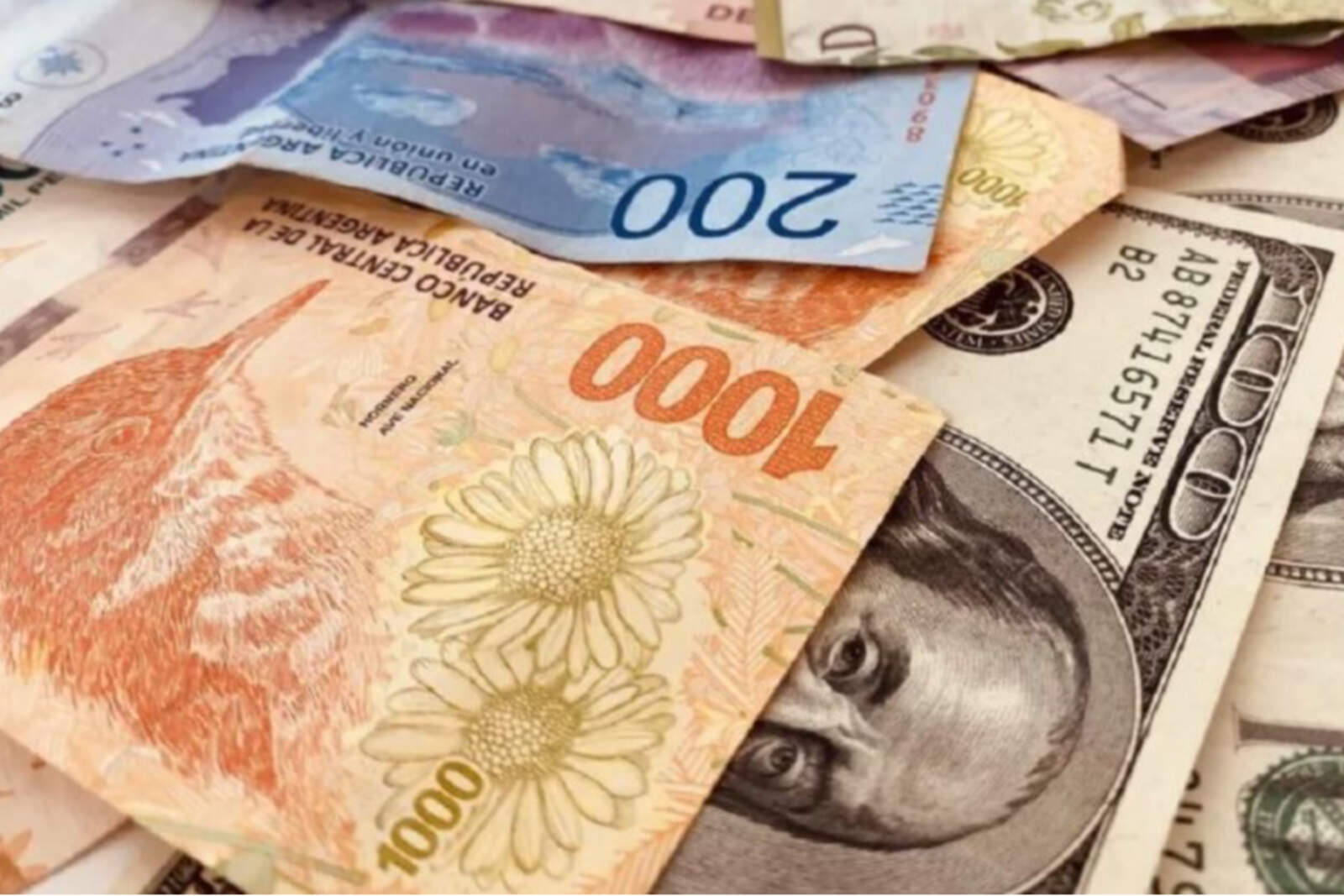

The Central Bank of the Argentine Republic (BCRA) confirmed the signing of a currency stabilization agreement with the United States Department of the Treasury, for an amount of up to USD 20,000 million. The operation is part of the understandings reached during the meeting between President Javier Milei and his U.S. counterpart, Donald Trump, at the White House.
"The objective of the agreement is to contribute to Argentina's macroeconomic stability, preserve price stability, and promote sustainable growth", BCRA sources told Infobae. The measure seeks to strengthen international reserves and send a signal of confidence to the financial market, in a context of economic transition and fiscal reorganization.
What is a swap and how does it work
A swap between central banks is a temporary exchange of currencies between two monetary authorities. In this case, BCRA will deliver pesos in exchange for U.S. dollars, with the commitment to reverse the operation at a future date and under a pre-agreed exchange rate.
During the term of the swap, Argentina will be able to use the funds received to support domestic liquidity and meet foreign exchange needs. At the end of the term, it must return the dollars and recover the pesos initially delivered, paying the corresponding interest.
Purposes and advantages of the agreement
Swaps are common instruments in international financial cooperation. They allow for an increase in available reserves, stabilize the foreign exchange market, and provide support in the face of potential external shocks. In addition, they usually offer lower interest rates than those of the international market, since they are based on mutual trust agreements between central banks.