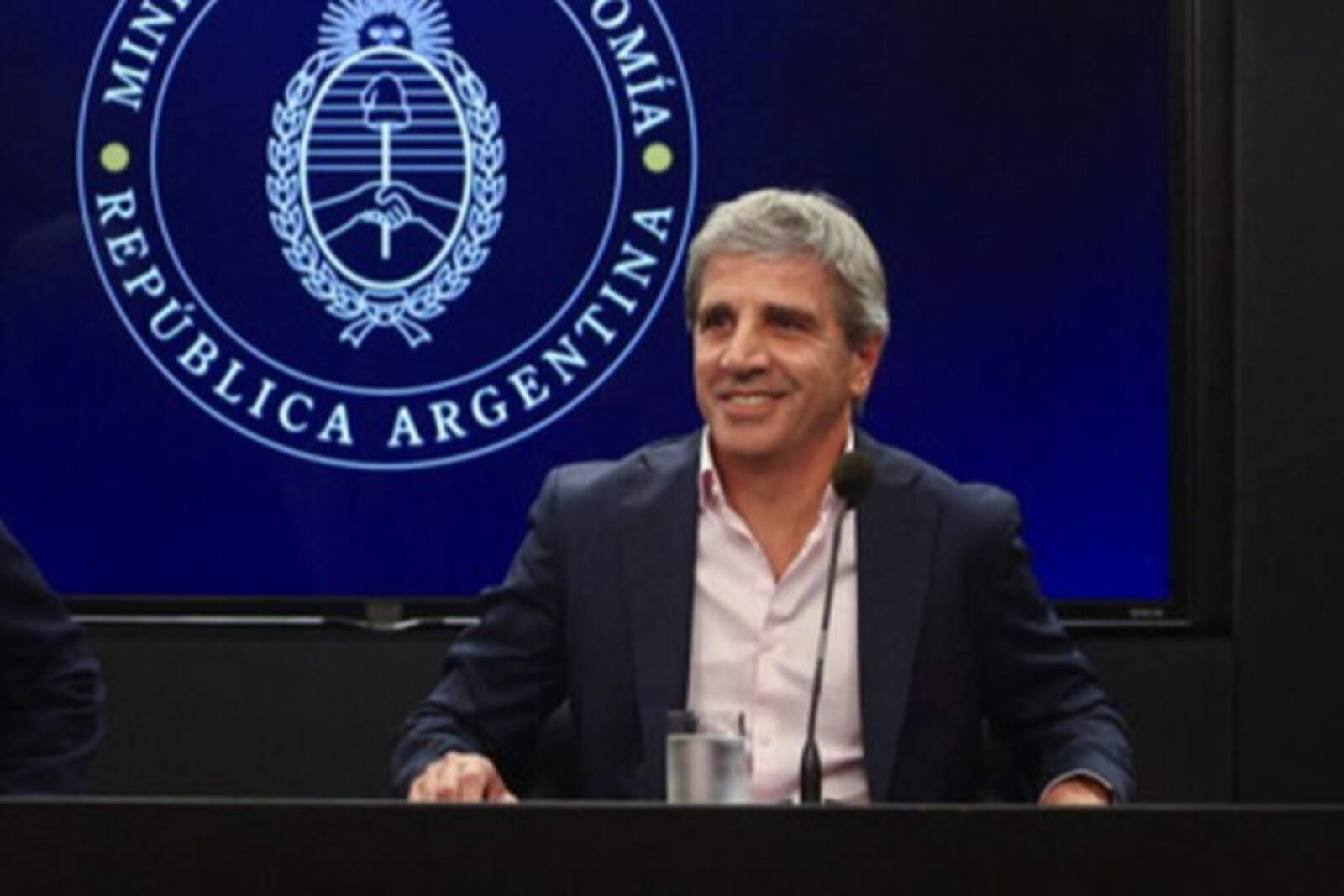











The USD 1 billion awarded will be used to pay the amortizations of the Bonares 2029 and 2030 on January 9. The maturity schedule for the first quarter exceeds USD 4.2 billion, and the official intention is to move forward with a sustainable financing scheme that doesn't require sacrificing reserves, one of the key elements of the economic program. The reopening of the dollar market will also allow the Central Bank to continue strengthening its balance sheet, an essential condition for both inflation and country risk to keep declining.

The economic team interprets this auction as a powerful signal to international investors. After years of default, controls, arbitrary regulations, and institutional deterioration, Argentina managed to send a different message: predictability, macroeconomic order, and a credible fiscal path. Previous administrations had closed the doors to voluntary credit with decisions that drove away capital and multiplied sovereign risk.
The Bonar 2029 auction thus marks the first concrete step toward reducing country risk below 500 basis points and fully regaining access to international credit markets.