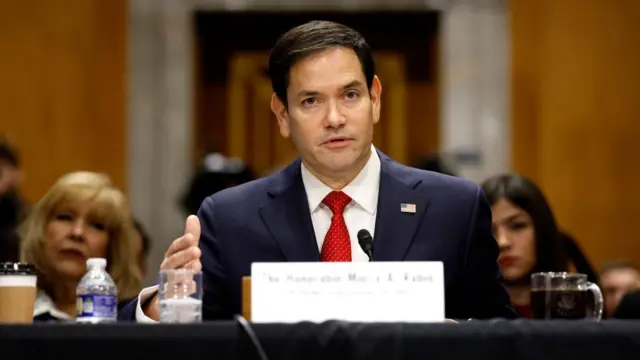
Secretary of State Marco Rubio assured that an exhaustive analysis of the alliance will be carried out once the war ends.
Compartir:
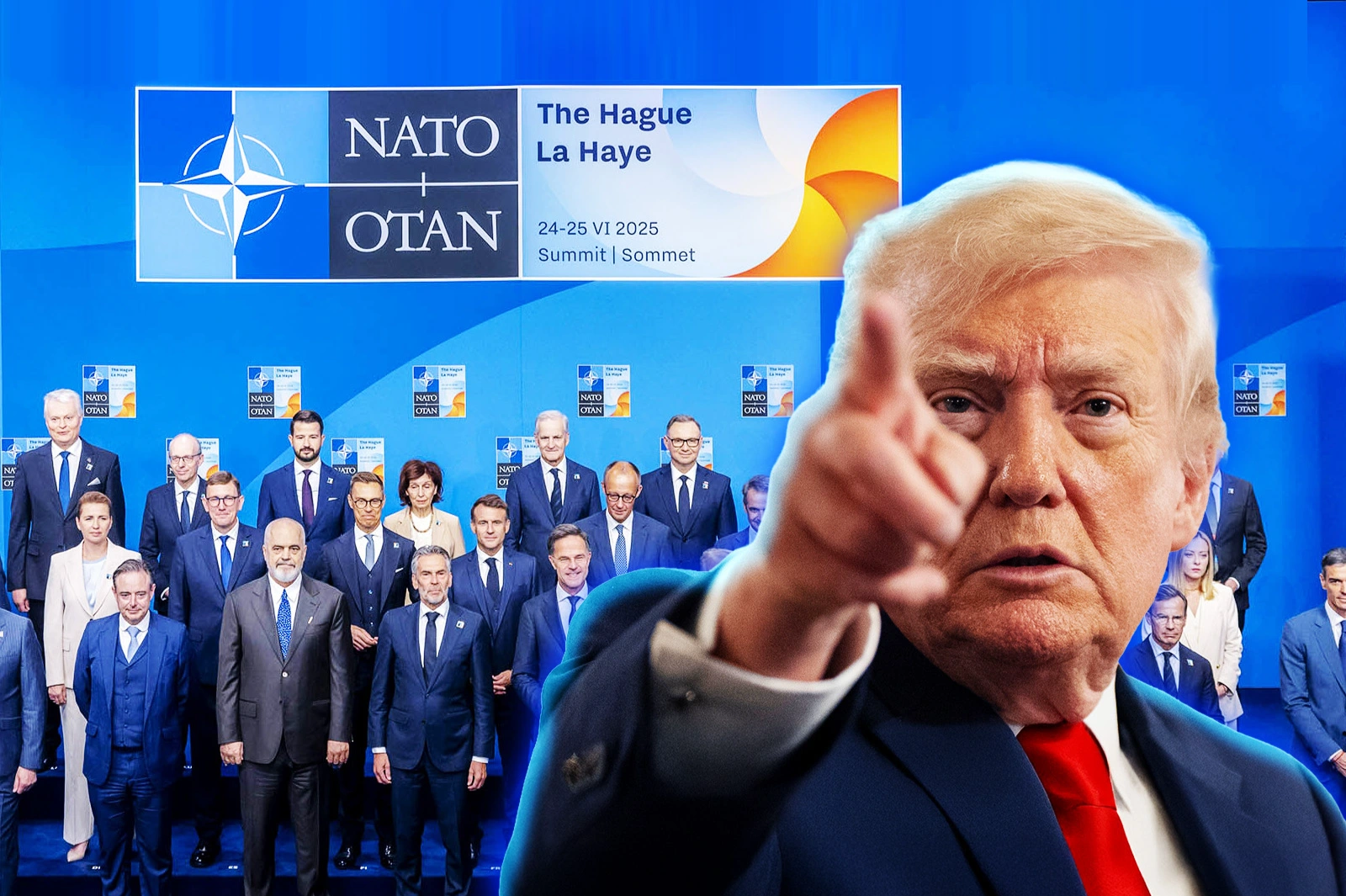
The Secretary of State of the United States, Marco Rubio, stated that Washington could reconsider the value of its relationship with NATO after the end of the conflict with Iran, amid growing tensions over the lack of support from several European allies
.
Speaking to US media, Rubio expressed frustration at the refusal of some member countries of the alliance to allow the use of their military bases or airspace during operations related to the conflict. “After this is over, we'll have to re-examine that relationship,” he said, making it clear that the final decision will rest with the
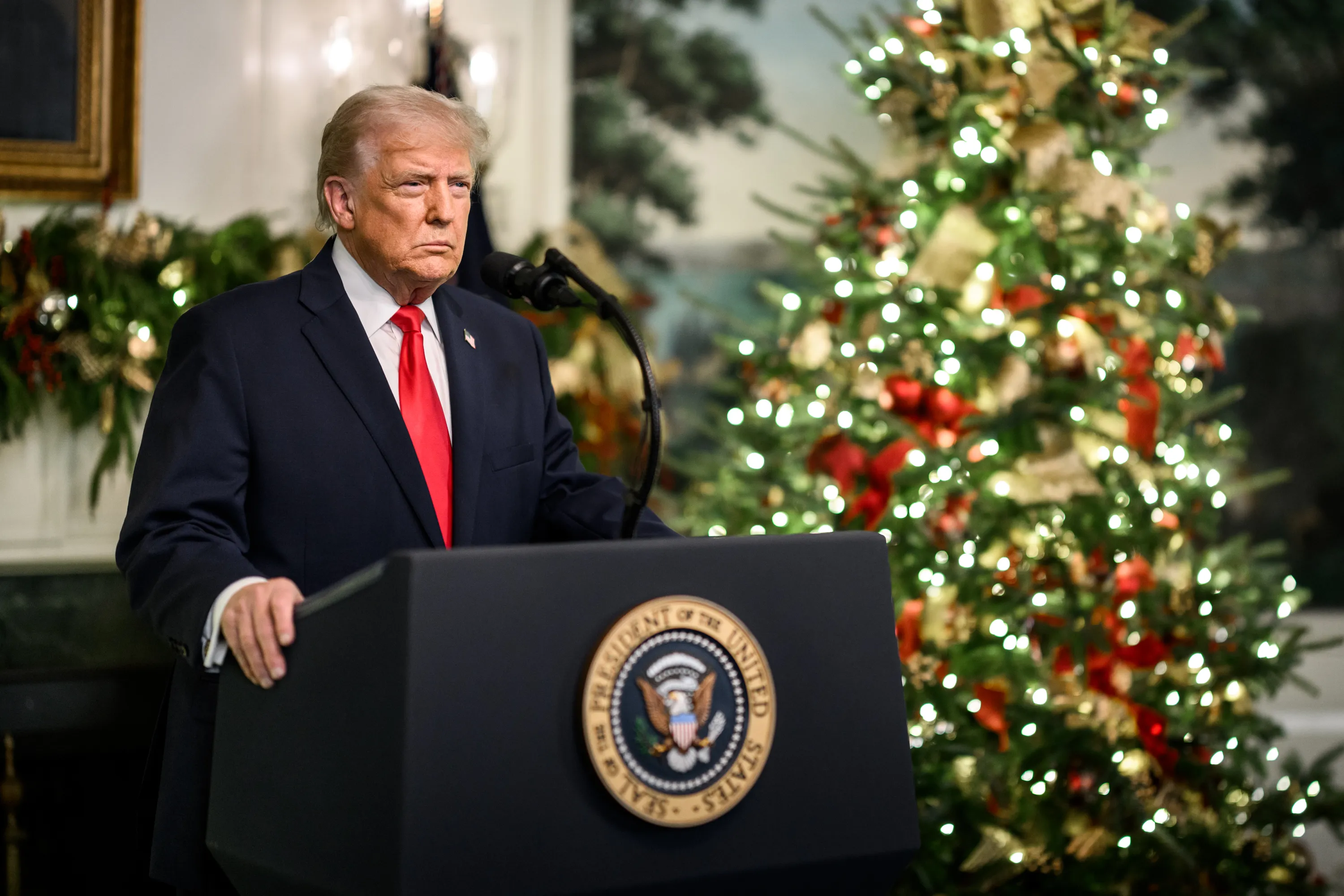
president.
The head of US diplomacy warned that the alliance risks turning into an unbalanced agreement if there is no reciprocity at key moments. “We are not asking for them to carry out air strikes, but something as basic as allowing us to use military installations,” he said.
The United States Secretary of State questioned NATO for the lack of support provided during the war
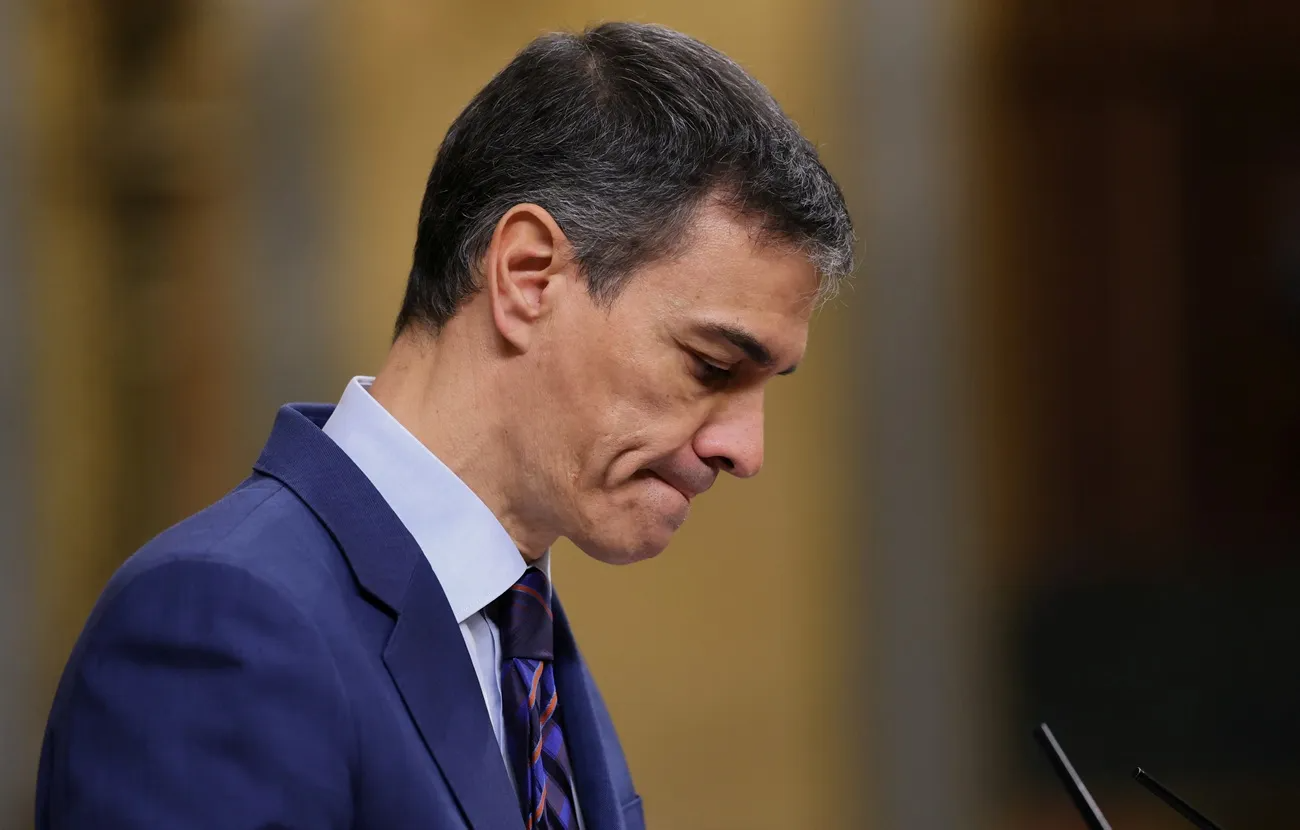
Rubio's statements come after countries such as Spain rejected specific requests from the United States. Madrid did not authorize the use of its bases or airspace. Other relevant allies, such as the United Kingdom, France and Germany, chose to limit their participation to defensive measures and calls for the de-escalation of the conflict
.
For Rubio, these decisions raise questions about the current functioning of the alliance. He recalled that the US military presence in Europe has historically been a pillar for collective security, allowing the United States to project power and respond quickly to international crises. However, he warned that this structure loses meaning if it cannot be used in critical situations.
“Why do we have forces stationed in the region if, in our time of need, we can't use them?” , questioned the official, stressing that cooperation within NATO must be translated into concrete actions and not be limited to
formal commitments. The communist government of Spain denied the United States the use of its military bases and airspace
Despite his criticism, Rubio made it clear that his position does not imply a rejection of the alliance, but rather a review of its functioning. In this sense, analysts interpret his statements as an attempt to promote a debate on the need to adapt NATO to a more complex geopolitical context, in which challenges for the United States are multiplying in different regions of the
world.
The Secretary of State also referred to the situation in the Strait of Hormuz, a strategic route for global energy trade. He warned that any attempt by Iran to block the passage would constitute a violation of international law and assured that the international community must guarantee freedom of navigation, either through cooperation or through other measures
.
Rubio's statements open a new chapter in the debate about the future of the alliance. His approach focuses on the need to reinforce mutual commitment between members and ensure that the organization maintains its relevance in an increasingly challenging international scenario
.
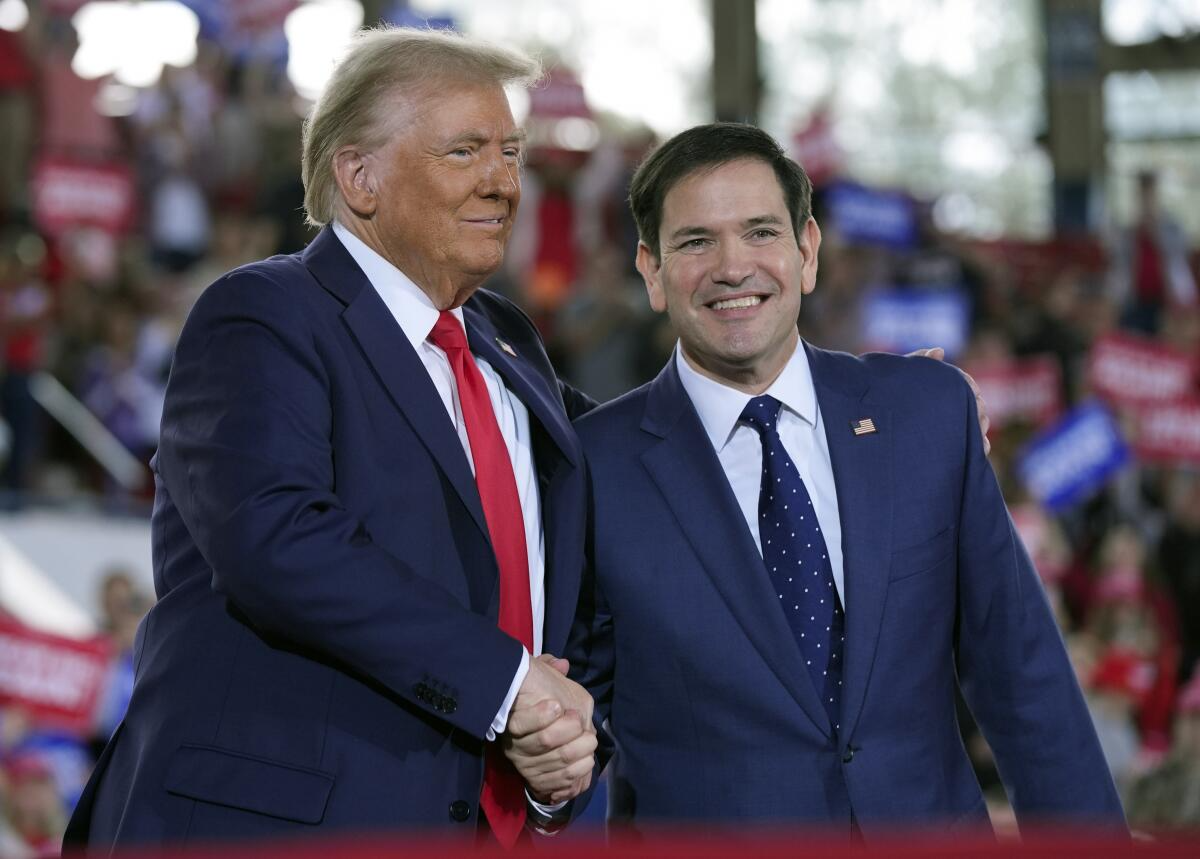
For now, the White House has not announced concrete changes in its policy towards NATO, but Rubio's words anticipate a possible strategic review once the current crisis ends.
The Trump administration has so far not announced whether it will make concrete changes to its policy towards NATO.