This Tuesday, Rio de Janeiro became the scene of a hellish battlefield due to a major operation against Comando Vermelho, Brazil's most powerful criminal organization
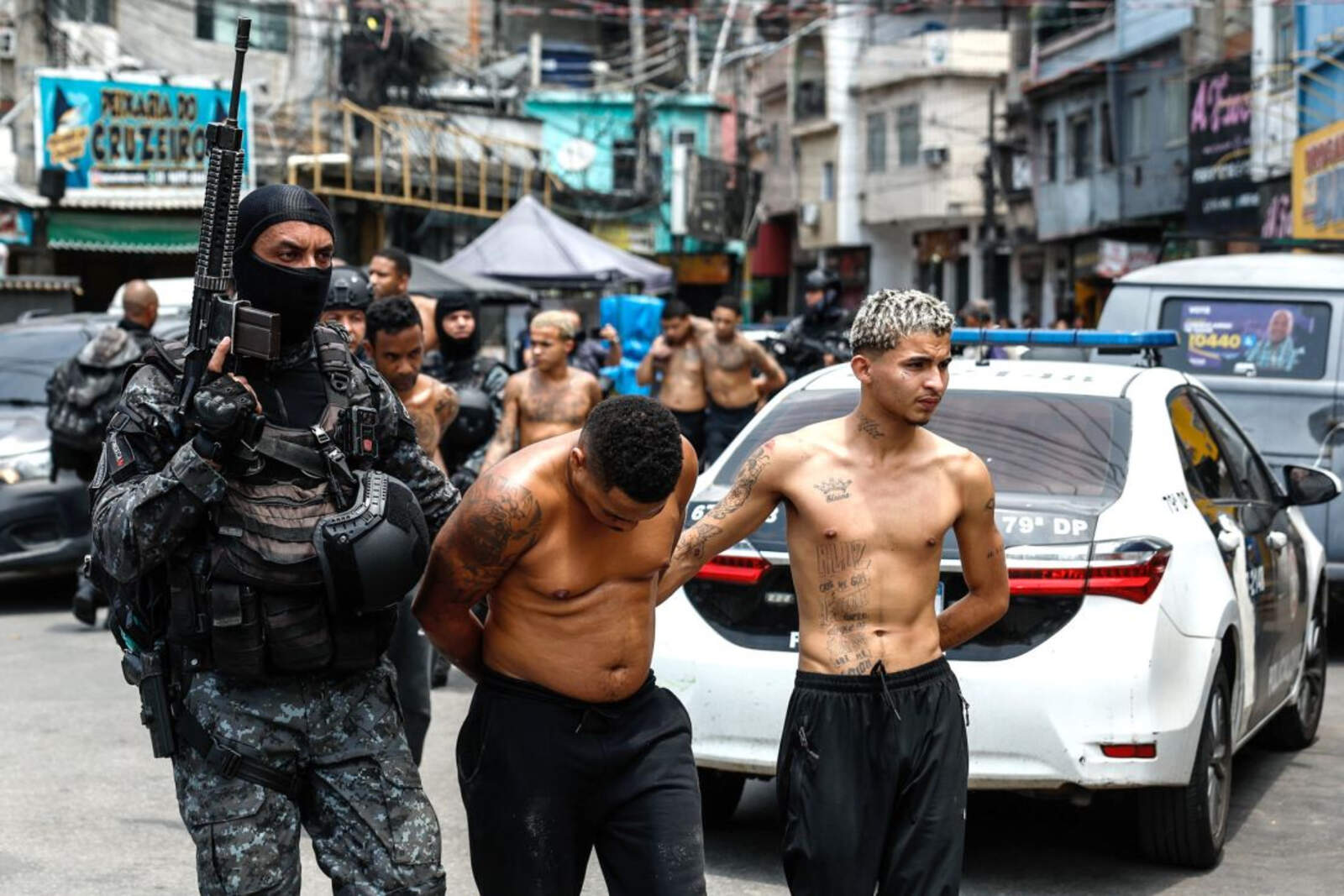
Rio de Janeiro woke up this Tuesday transformed into a battlefield. Police helicopters, armored vehicles, and drones stormed the Alemão and Penha complexes—two of the largest favelas in northern Rio—at dawn, in a massive offensive against Comando Vermelho, Brazil's most powerful criminal organization.
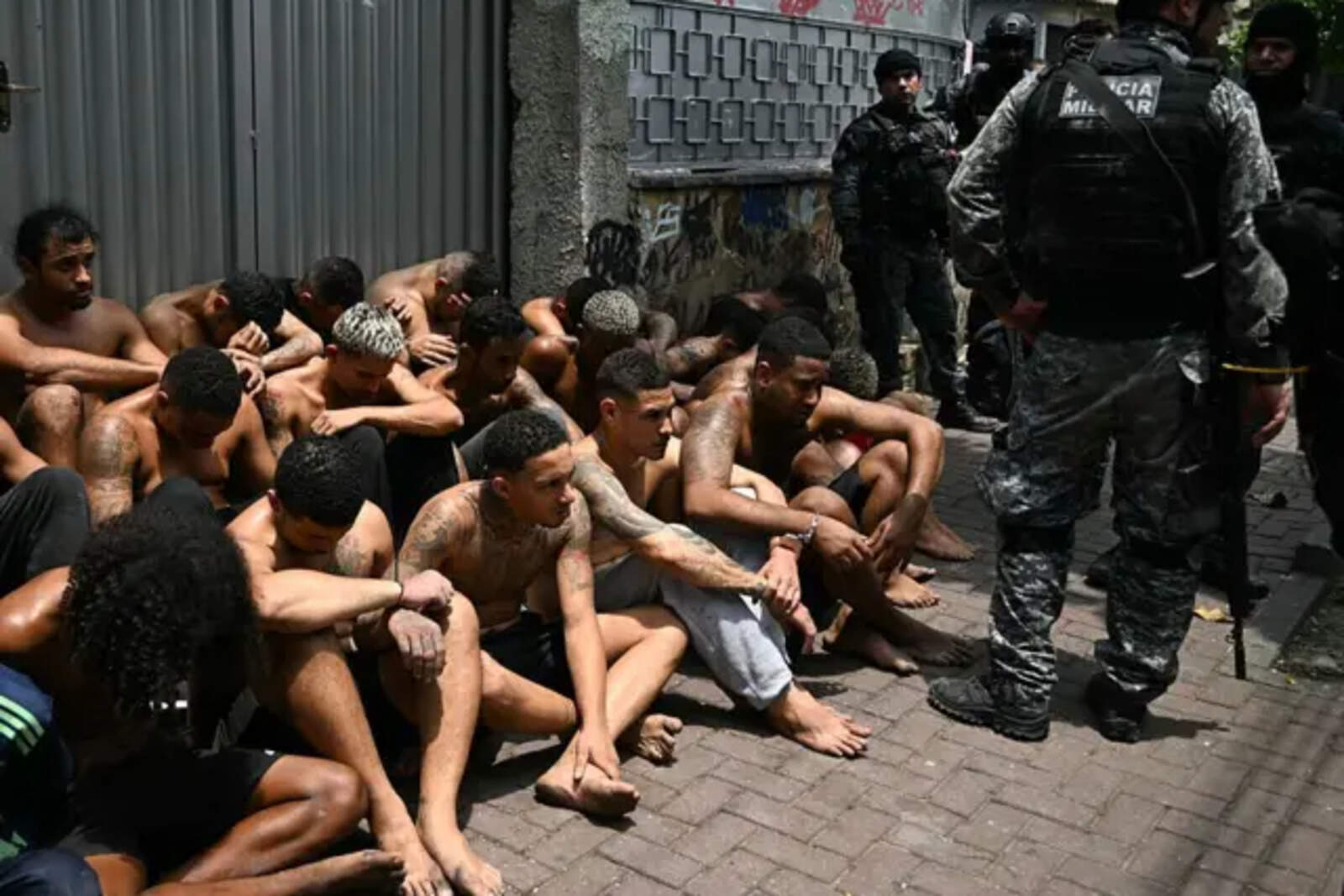
The toll was devastating: 64 dead, including four police officers, and more than 80 arrested, in what is already considered the deadliest police operation in the city's history.
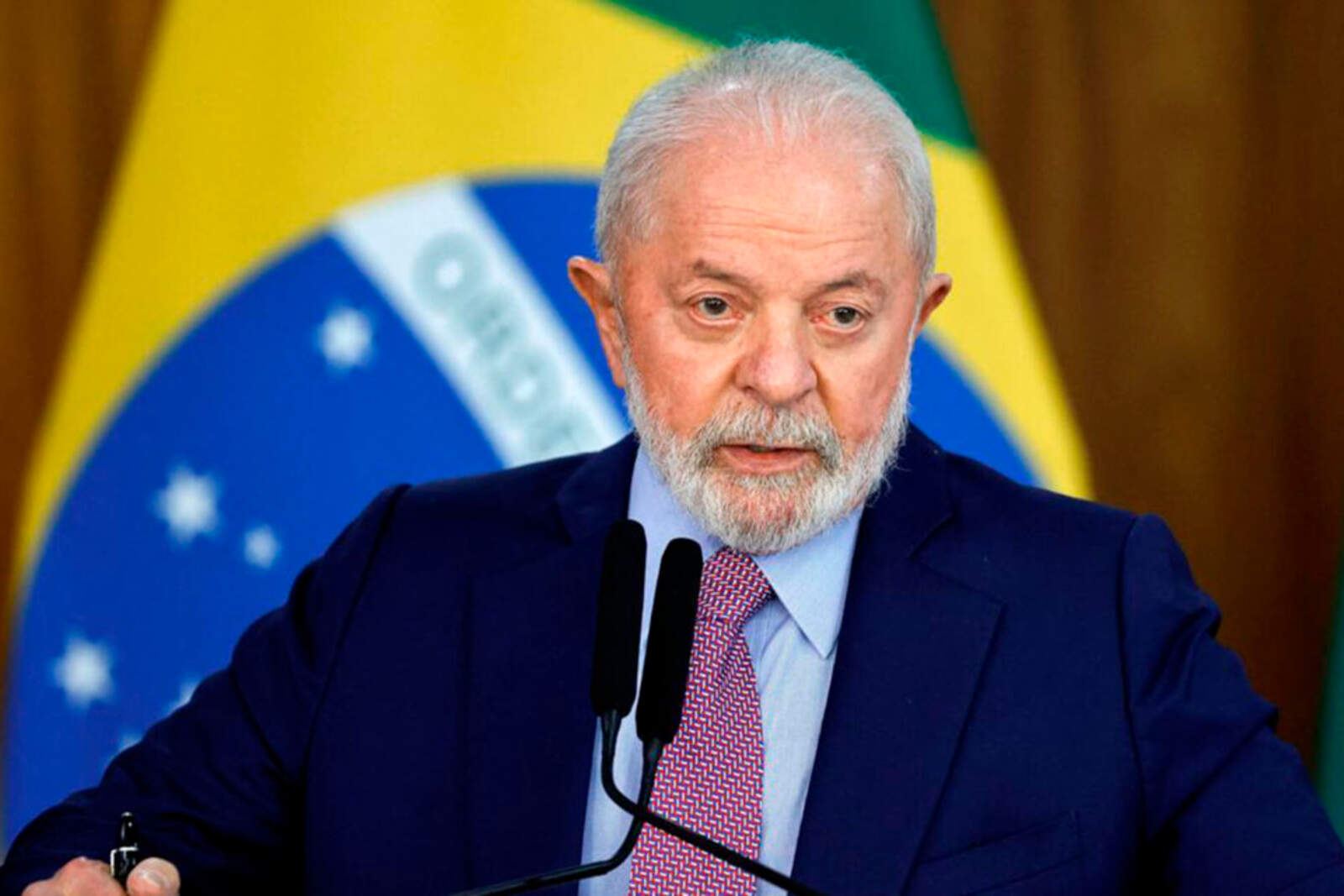
Although the operation was carried out by the state government, criticism quickly targeted the communist presidentLuiz Inácio Lula da Silva, who was accused by the opposition of ignoring the collapse of public security in Rio and other regions dominated by drug trafficking.
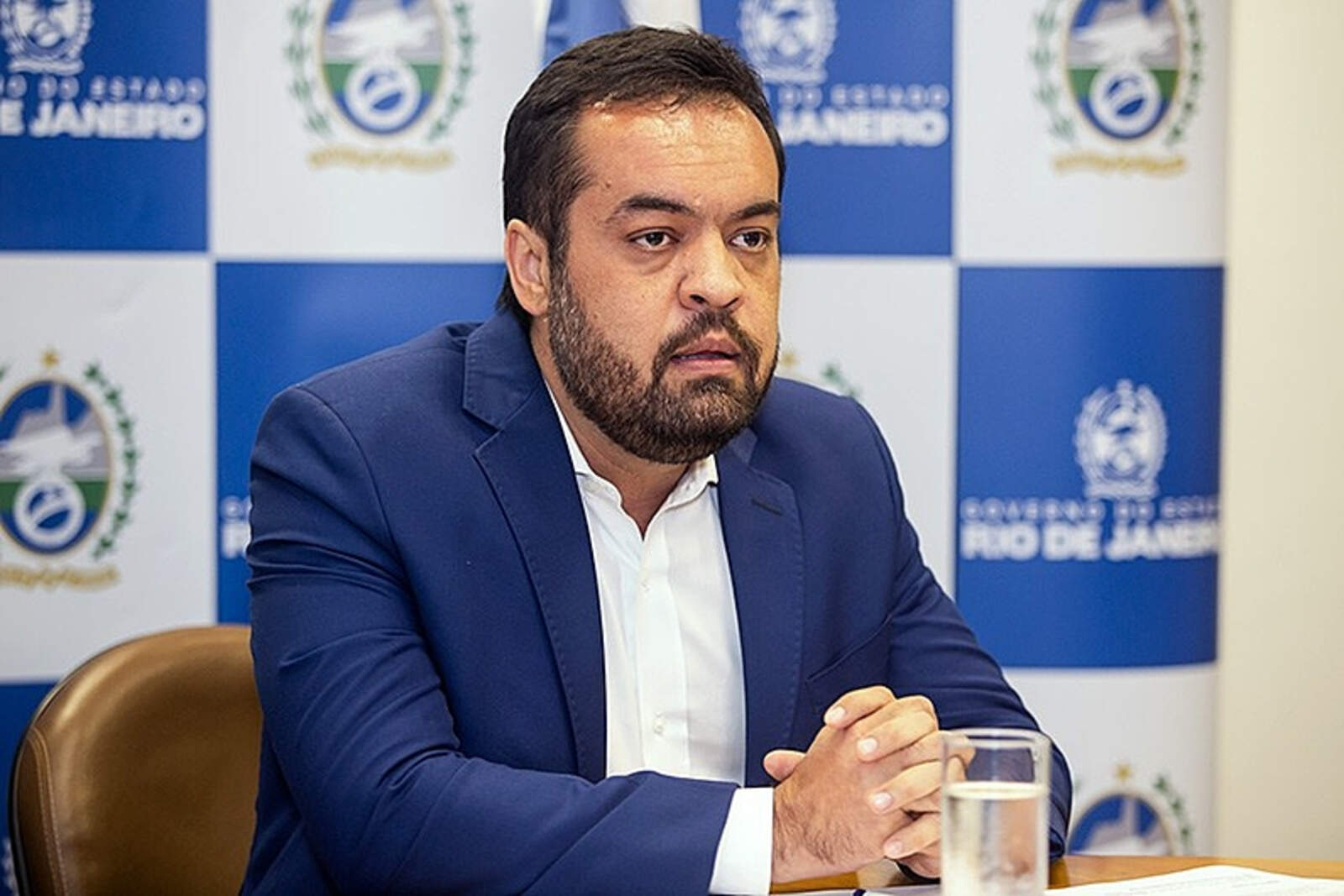
Meanwhile, Governor Cláudio Castro (PL) described the action as a "war" and demanded federal support, while the Planalto Palace remained silent during the first hours, fueling the perception of indifference and disconnection from the Executive.
El comunista Lula da Silva ha sido ferozmente criticado
The intervention began before dawn, with highway blockades and the closure of strategic avenues. More than 2,500 officers advanced through the alleys of the favelas, supported by drones and helicopters.
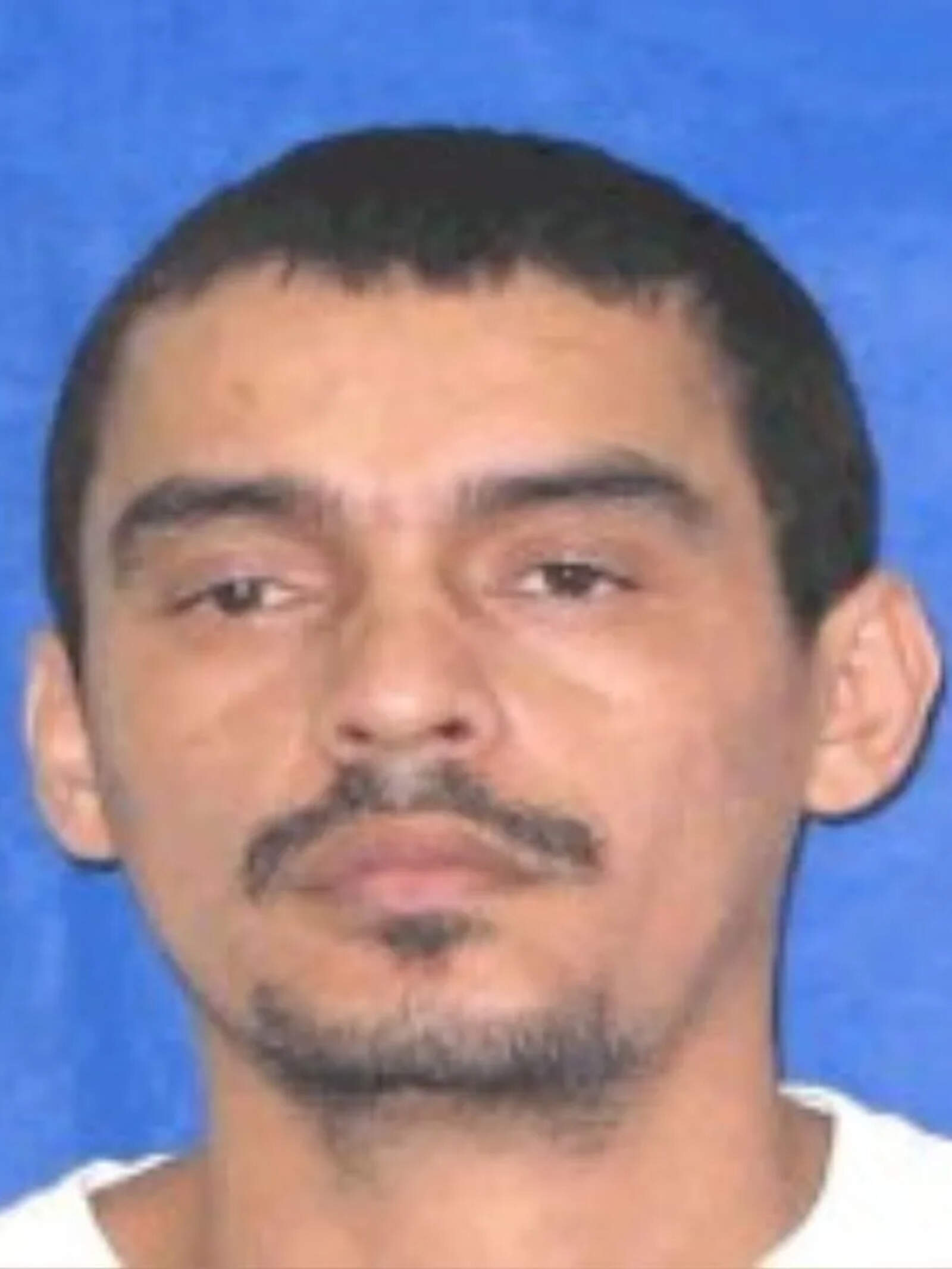
The main target was Edgar Alves de Andrade, known as "Doca" or "Urso," regional leader of Comando Vermelho and one of Brazil's most wanted criminals, with more than a hundred legal cases. Authorities are offering 100,000 reais (about 17,500 dollars) for information leading to his capture.
According to the police, 42 high-caliber rifles, drugs, and state-of-the-art communication equipment were seized. The scale of the operation reflects the level of power held by organized crime, which, as experts point out, has expanded unchecked due to the lack of a coherent national security policy.
El gobernador de Río de Janeiro solicitó ayuda del gobierno de Lula, pero este lo ignoró
Comando Vermelho, founded in 1979 in a Rio prison, now operates throughout the country through a decentralized network involving imprisoned kingpins, lieutenants in favelas, and money laundering networks. Its power rests on territorial control and the absence of the State, a vacuum that Lula's government has not managed to fill despite promising a new security policy.
The day in Rio was one of terror: machine gun bursts, grenades dropped from drones, power outages, and suspended transportation. More than 200,000 people were trapped in the crossfire. Classes were suspended in 45 schools and 12 bus lines were diverted, highlighting the civil impact.
Socialist human rights organizations, meanwhile, again denounced "police lethality" and the lack of transparency in the operations.
El Comando Vermelho opera en todo Brasil
Governor Cláudio Castro stated that he requested support from the Armed Forces, but the Ministry of Defense, under federal government control, rejected it three times. "Rio is alone," he said. His complaint exposed the tensions between the state and the central Executive, and reinforced the argument that Brasília deliberately abandons states governed by the opposition.
In 2024, more than 700 people died in police operations in Rio, a figure that now rises to nearly 800 with Tuesday's 64 deaths. For the residents of the favelas, the feeling is of permanent war; for analysts, of a failed State incapable of confronting crime.
Meanwhile, Lula da Silva avoids speaking directly about the tragedy, the opposition accuses him of downplaying the advance of drug trafficking and of looking the other way while the country sinks into a spiral of violence. The operation in Alemão and Penha, more than a triumph, is a brutal reminder that Brazil is living an internal war without a national strategy, and that the passivity of the federal government could cost many more lives.
El objetivo de la redada era el delincuente Edgar Alves de Andrade