
If this resistance spreads, Río Cuarto could become the first link in a chain of claims against abusive taxes across the country.






Municipal tax pressure in Córdoba returns to the spotlight: Banco Nación refuses to pay a quasi-confiscatory tax
If this resistance spreads, Río Cuarto could become the first link in a chain of claims against abusive taxes across the country.





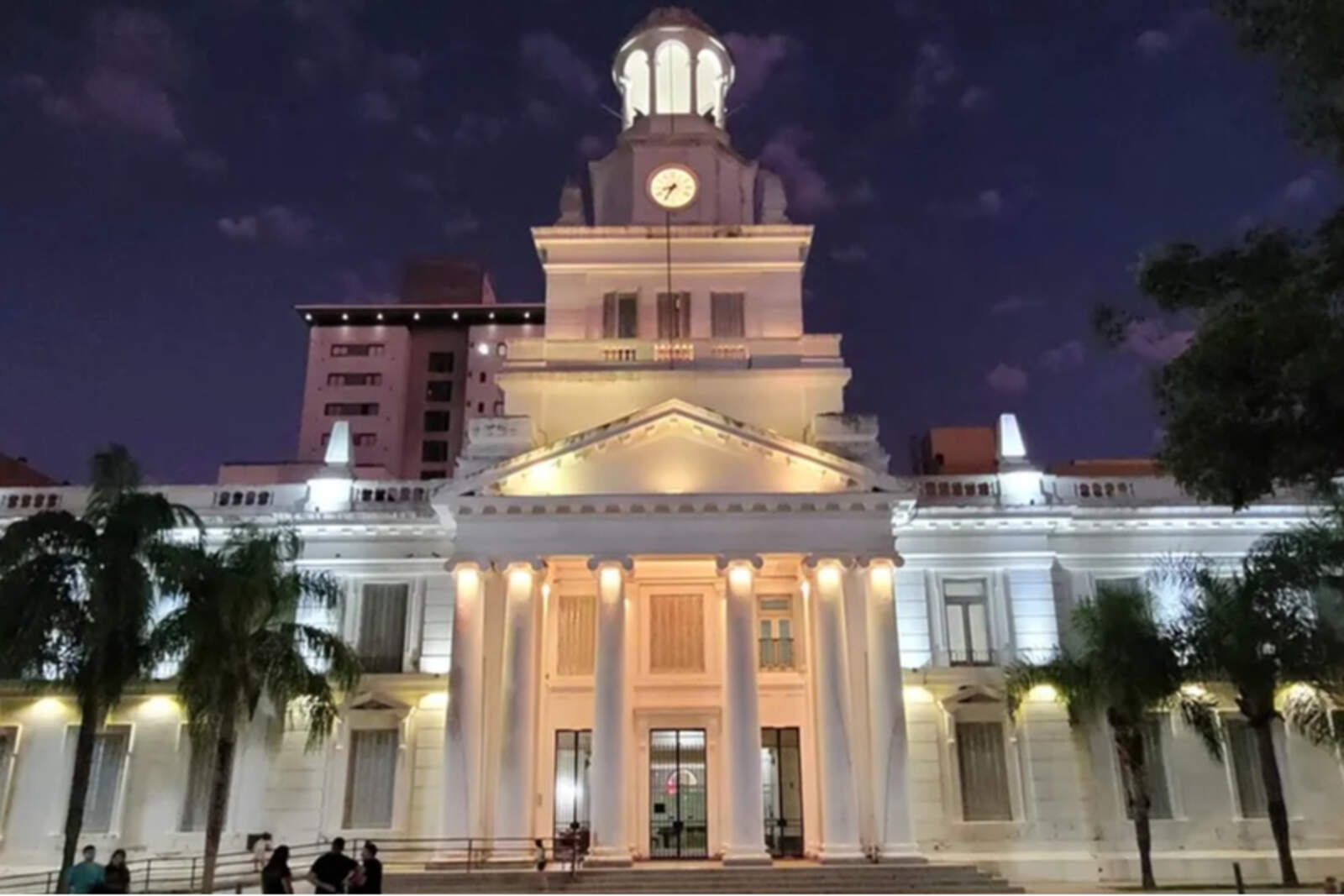
The fee was established by municipal ordinance and seeks to charge financial institutions for using public space, such as sidewalks or marquees. However, Banco Nación considers it a hidden tax, with no service to justify its collection and contrary to tax law.
The bank's request was not arbitrary. It was a local tax without consideration, adding to the already heavy tax burden in Argentina.
The Banco Nación branch in Río Cuarto stopped paying a municipal fee it considers inapplicable, generating an unexpected clash with local authorities. The municipality, far from reviewing the charge, replied with a formal complaint before the courts, opening a conflict that could set a precedent.
Instead of reviewing the use of resources or improving spending efficiency, Peronist Guillermo De Rivas's administration chose the judicial route. This is a predictable reaction from a policy addicted to cash flow, lacking any willingness for adjustment, transparency, or self-criticism.
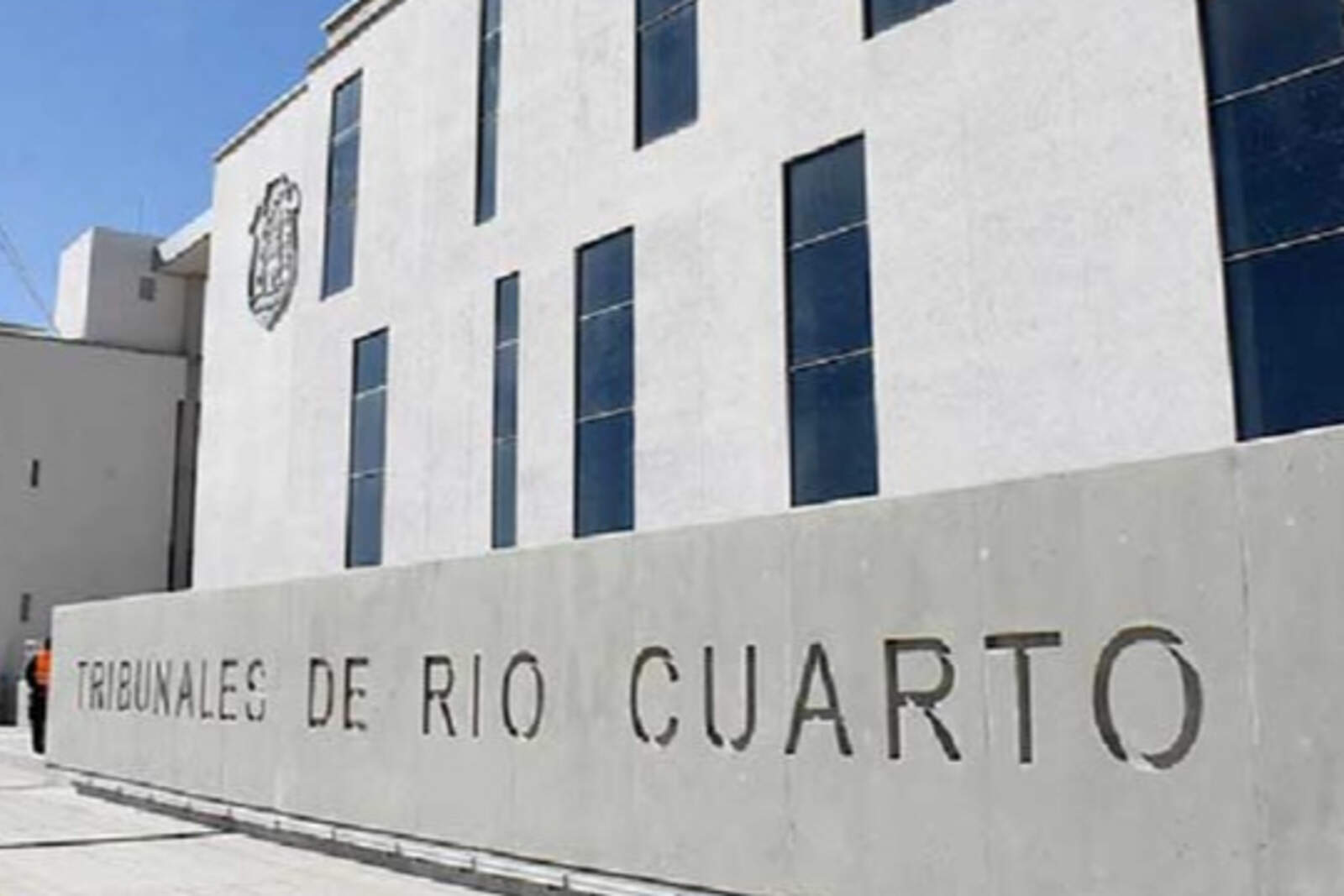
Banco Nación's argument has merit: there can be no tax without service. The fee claimed by the Río Cuarto municipality appears as yet another hidden cost, a widespread practice among local governments seeking to offset their deficits with abusive forms of revenue collection.
Meanwhile, political fear quickly emerged. Some sectors of the provincial government raised the alarm about a "domino effect." If Nación manages to have this fee declared illegitimate, other entities could follow suit.