The monetary authority has already reached more than 20% of its annual accumulation target
Compartir:
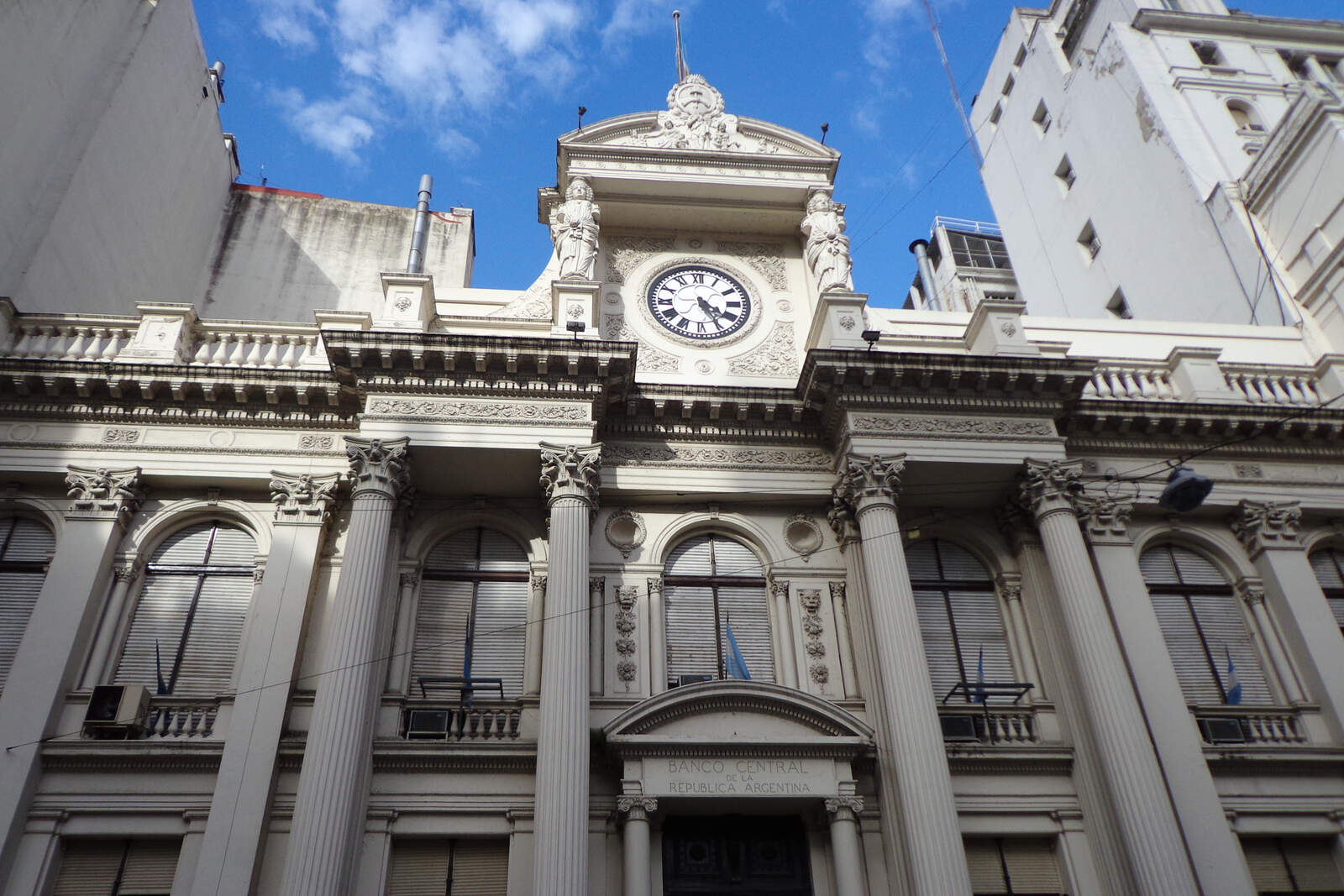
The Central Bank of the Argentine Republic once again closed another session with a positive balance and reached 30 consecutive trading days buying dollars, a strong signal of strengthening on the external front. This Friday it purchased USD 42 million, which allowed it to accumulate more than USD 600 million for the week and to exceed USD 2,000 million so far in 2026.
In total, during this streak the institution added USD 2,089 million, within the so-called "phase 4" of the economic program. The strategy combines purchases with non-sterilized peso issuance, while the Treasury absorbs part of that liquidity through local currency debt placements, avoiding additional pressure on interest rates.
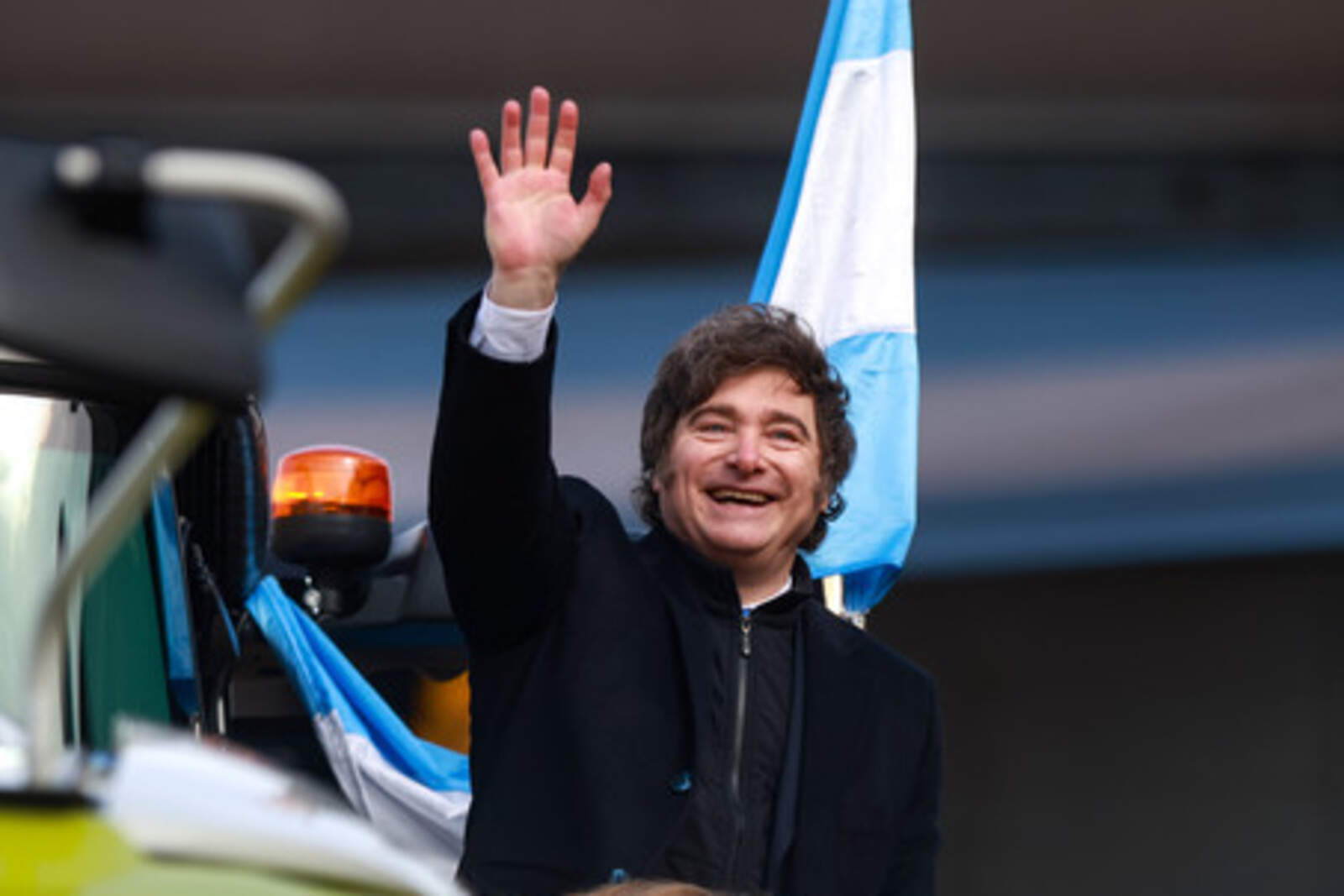
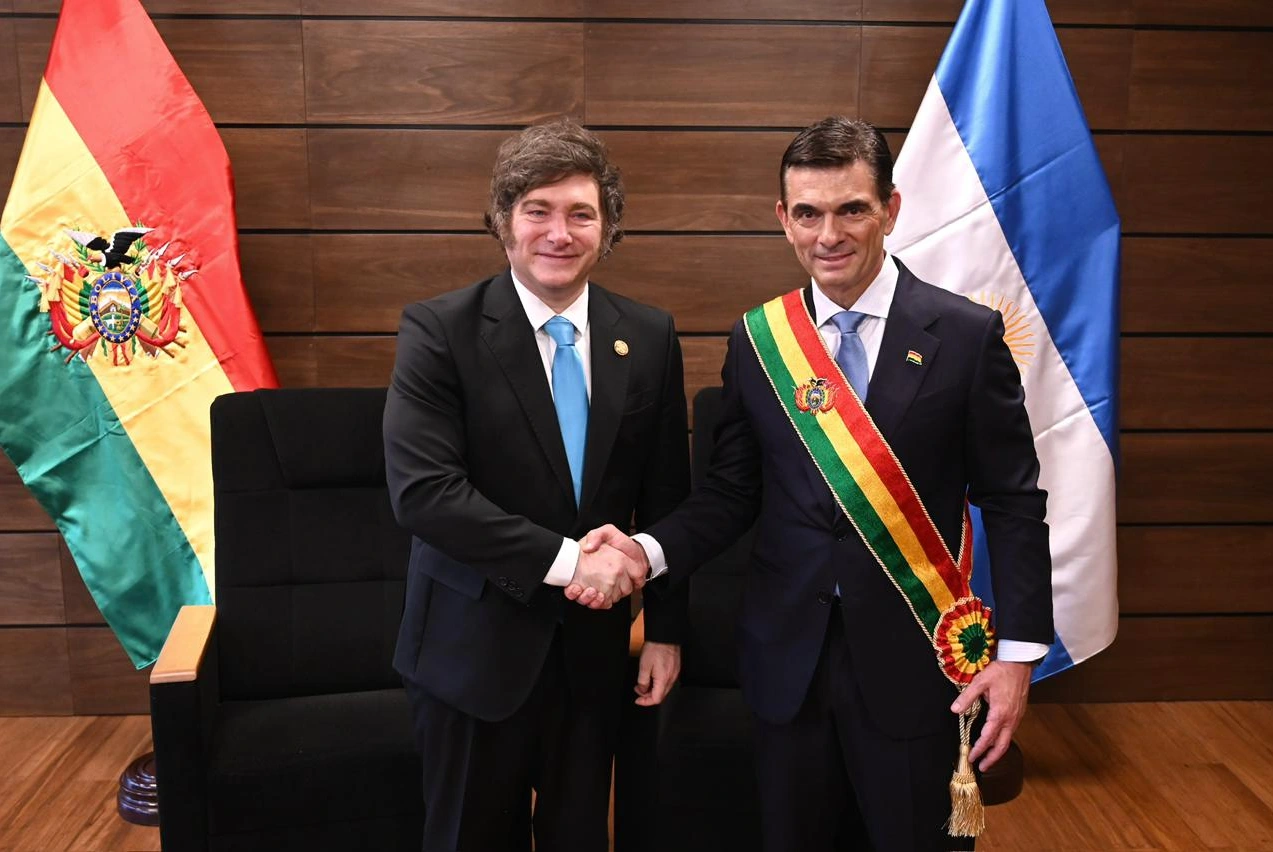
El presidente Javier Milei.
International reserves currently stand at USD 45,158 million, after a daily increase of USD 102 million. In the last month they even reached a peak since August 2021 by touching USD 46,240 million. Part of that improvement is also explained by the rise in the international price of gold, an asset of which the Central Bank holds about 1.98 million troy ounces.
The foreign currency inflow comes mainly from the liquidation of the agribusiness complex and from private sector debt issuances. For 2026, official projections estimate net purchases of between USD 10,000 and USD 17,000 million, depending on the remonetization process. The president of the BCRA, Santiago Bausili, has indicated that the accumulation will depend both on the demand for pesos and on the inflow of dollars. For now, more than 20% of the annual target has already been exceeded.
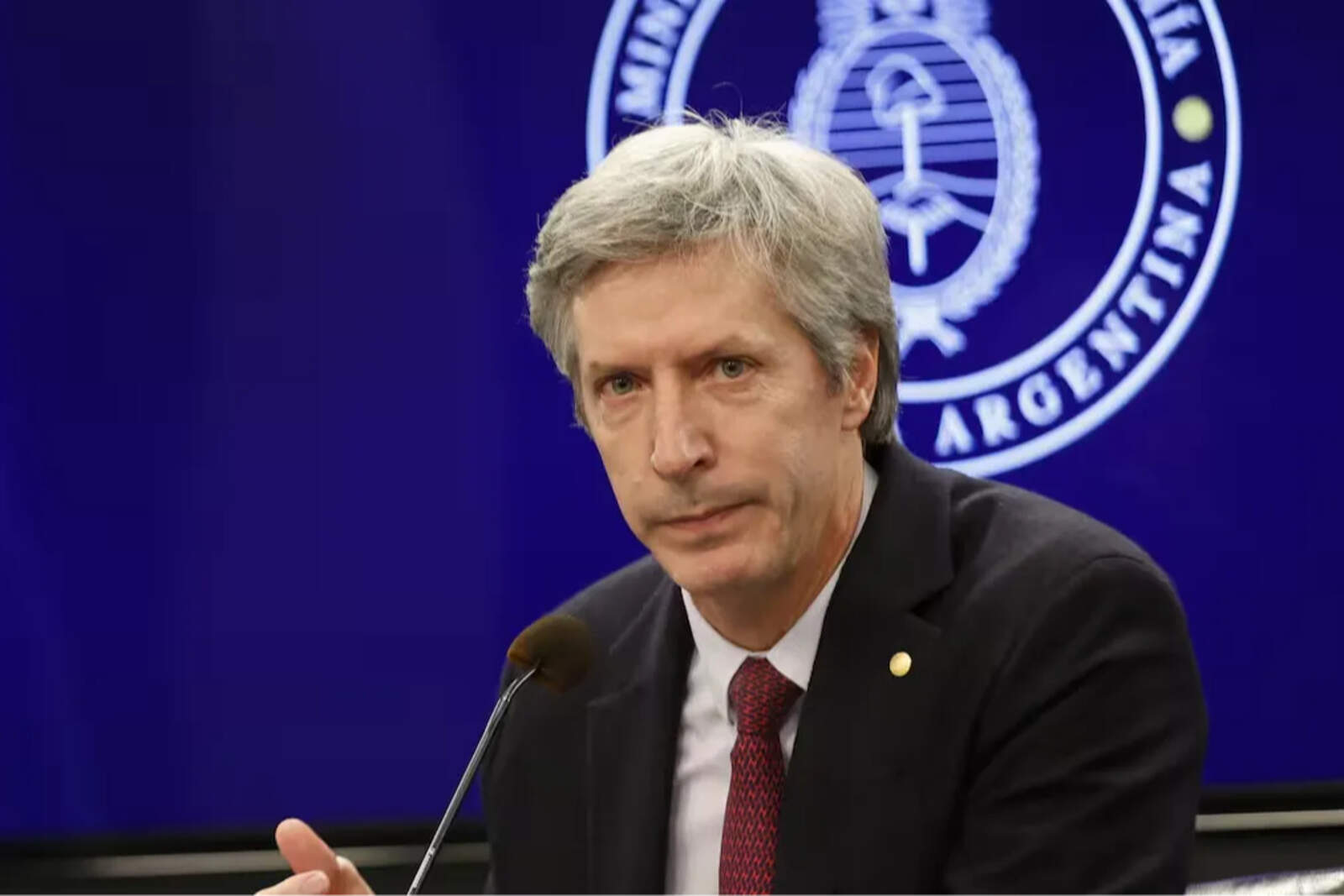
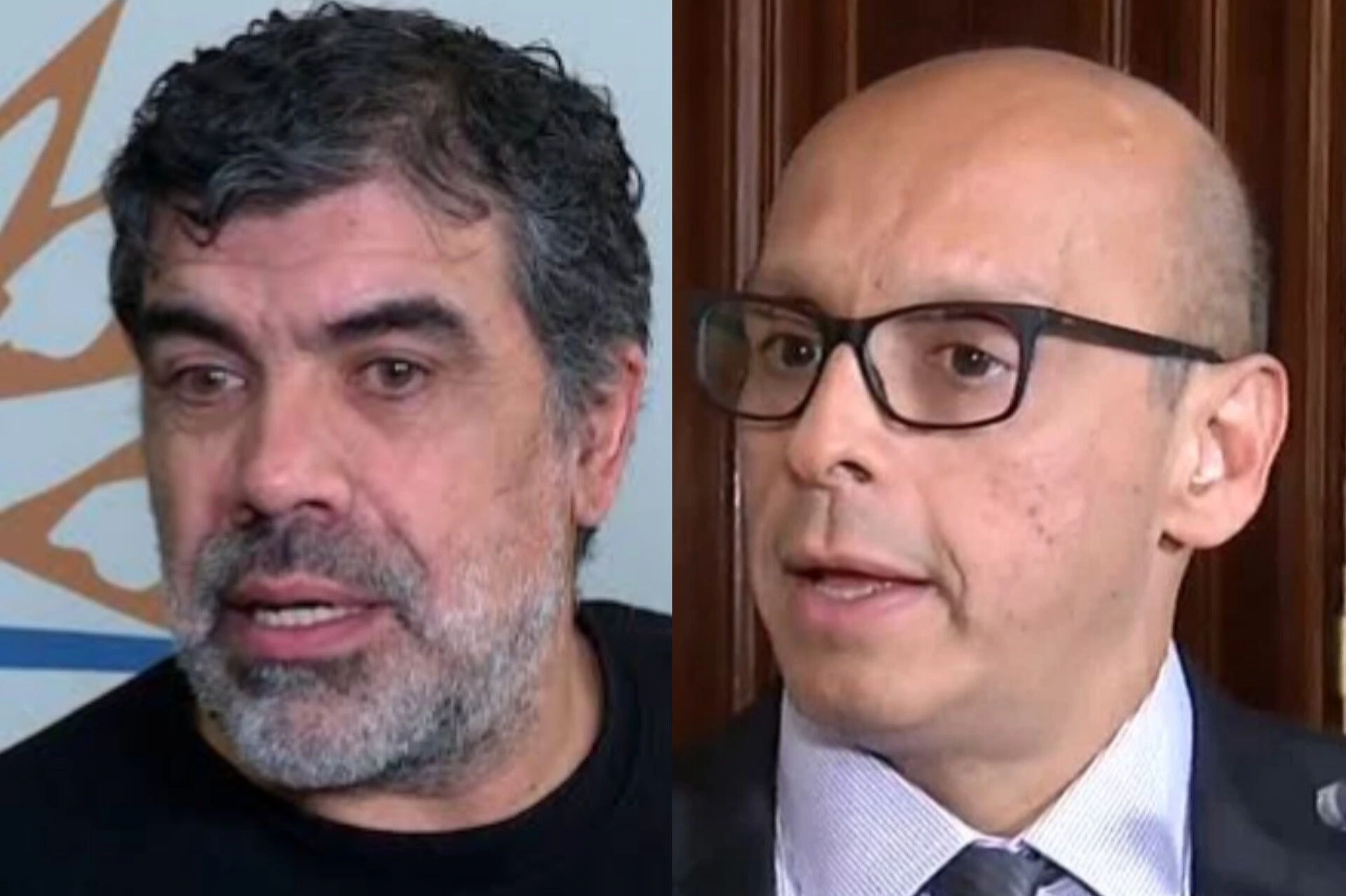
Santiago Bausilli, presidente del BCRA.
In the wholesale market, the traded volume reached USD 569.7 million, a high level for this time of year. The wholesale dollar posted a slight 0.3% increase and closed at $1,399.50, although on a weekly basis it accumulated a 2.3% decline. In addition, the exchange rate remains 13.3% below the ceiling of the upper band set at $1,584.95, which shows that there is room within the current exchange rate framework.
The Central Bank keeps a daily cap of 5% on the volume traded in the Free Foreign Exchange Market, although it can also intervene outside the wholesale market to reinforce accumulation without altering the market. Thirty consecutive sessions buying dollars are not a minor detail: they mark a change in trend. In a country that is used to losing reserves, today the Central Bank is adding foreign currency with the exchange rate under control and is consolidating financial stability.