Net purchases already exceed USD 1.29 billion and strengthen the country's external position
Compartir:
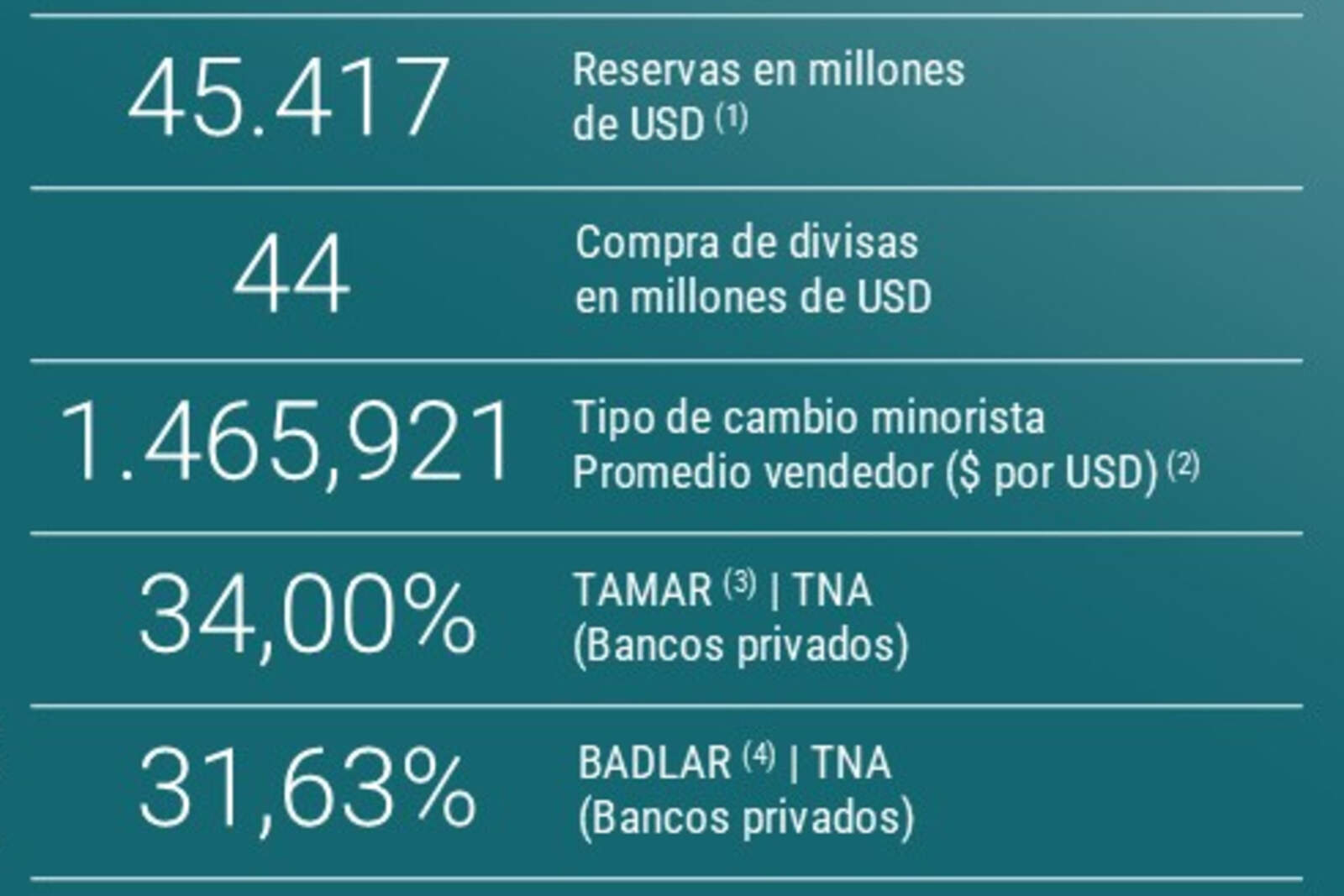
The Central Bank of the Argentine Republic continues to consolidate its process of reserve accumulation and has already bought almost USD 1.3 billion so far in 2026, in a clear sign of monetary normalization and external strengthening. This Wednesday, the institution acquired USD 44 million and thus chained together 23 consecutive sessions with a net buying balance, both inside and outside the foreign exchange market.
During the last 22 trading sessions, BCRA totaled purchases of USD 1.297 billion, a performance that is part of the beginning of the so-called "phase 4" of the economic program. At this pace,the monetary authority has already reached close to 13% of the minimum annual foreign currency accumulation target planned for the entire year.
Actividad del BCRA este 4 de febrero.
The operations are carried out through the issuance of pesos without sterilization, a strategy that seeks to preserve the liquidity of the financial system and avoid upward pressure on interest rates. This approach contrasts with past practices that resulted in severe monetary imbalances and loss of reserves.
As a result, international reserves stood at USD 45.417 billion, with a daily decrease of USD 256 million, explained mainly by changes in asset valuation. Despite this, the current level remains one of the highest in recent years and reflects a structurally positive trend.
In the last month, reserves reached a peak since August 2021, when they touched USD 46.240 billion. This growth was driven in part by the increase in the international price of gold, an asset that the Central Bank holds as a hedge against global volatility. Currently, the institution holds about 1.98 million troy ounces, whose value recently underwent a correction after having exceeded USD 5,600 per ounce.
The sustained flow of dollars is also explained by the settlement of exports from the agribusiness complex and by the issuance of external debt by the private sector. According to official estimates, about USD 3.6 billion in corporate placements still remain to enter, which expands the supply of foreign currency in the official market and contributes to exchange rate stability.
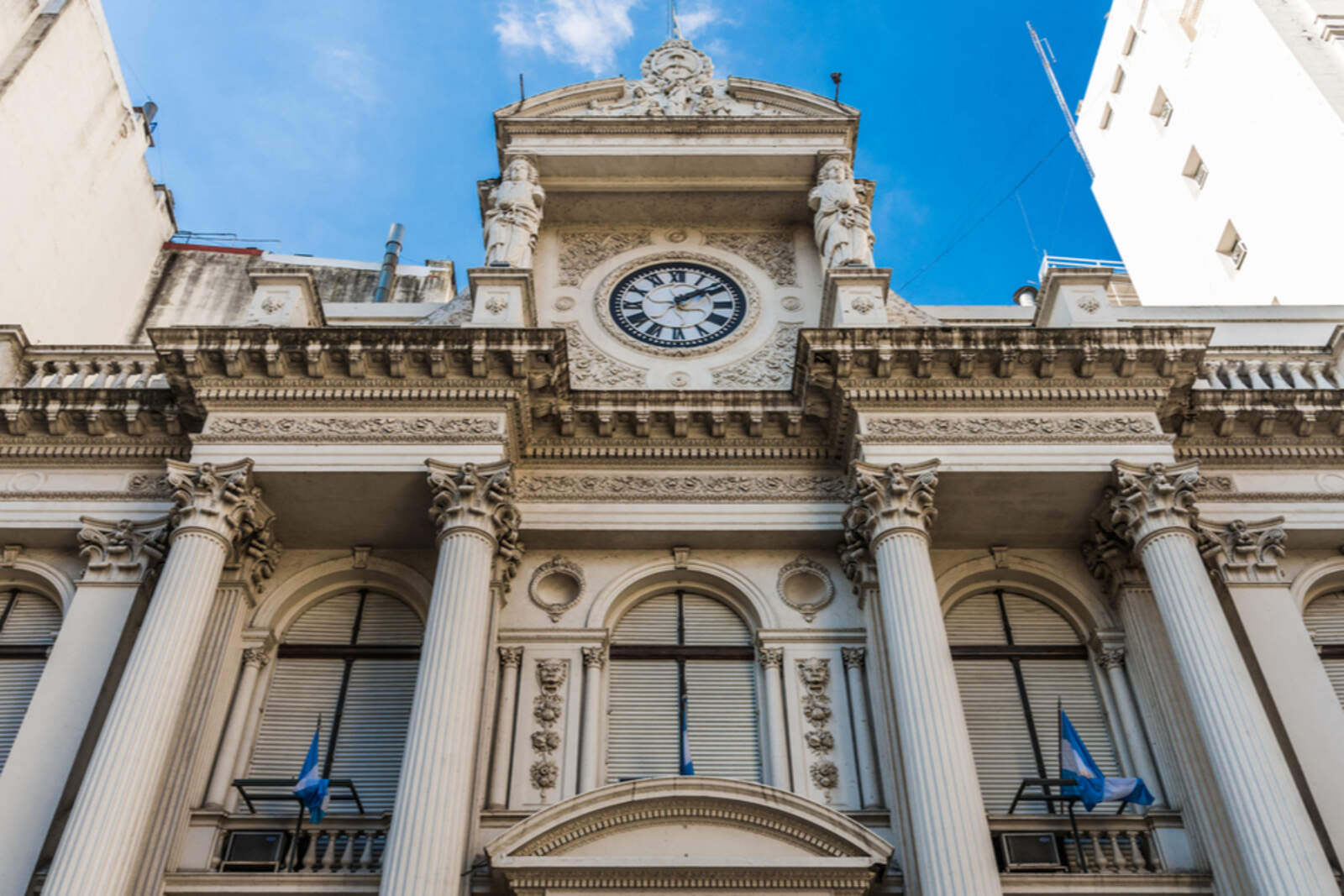
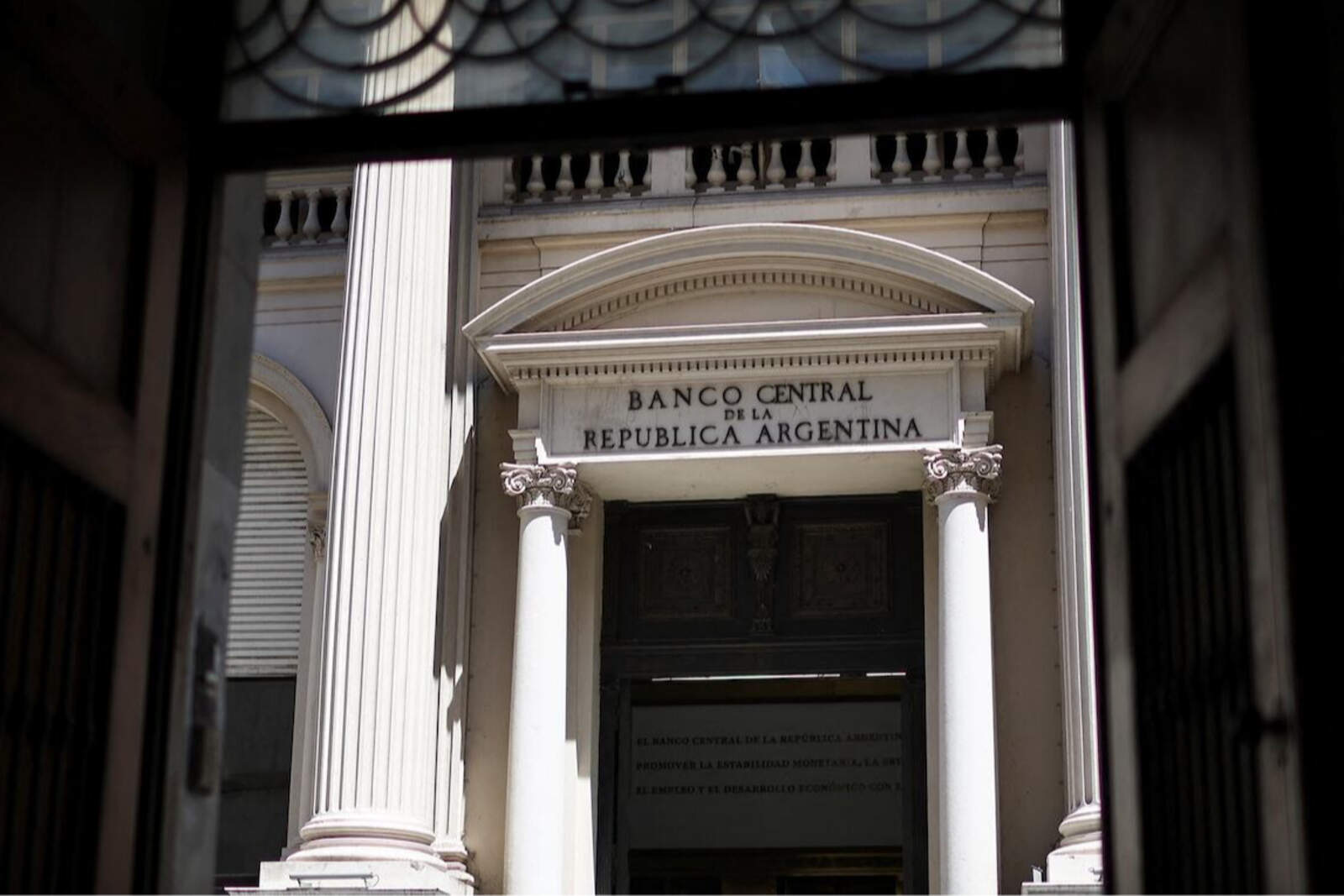
Banco Central de la República Argentina.
To avoid distortions, the Central Bank established a daily limit of 5% on the volume traded in the Free Foreign Exchange Market. Nevertheless, on some days that threshold was exceeded through operations outside the traditional circuit, a modality that is allowed in order not to disrupt the functioning of the wholesale market.
For all of 2026, official projections estimate net purchases of between USD 10 billion and USD 17 billion, depending on the remonetization process and the demand for pesos. With the current figures, BCRA is on track to comfortably meet its targets, reinforcing the credibility of the economic framework and moving away from the emergency logic that characterized previous administrations.