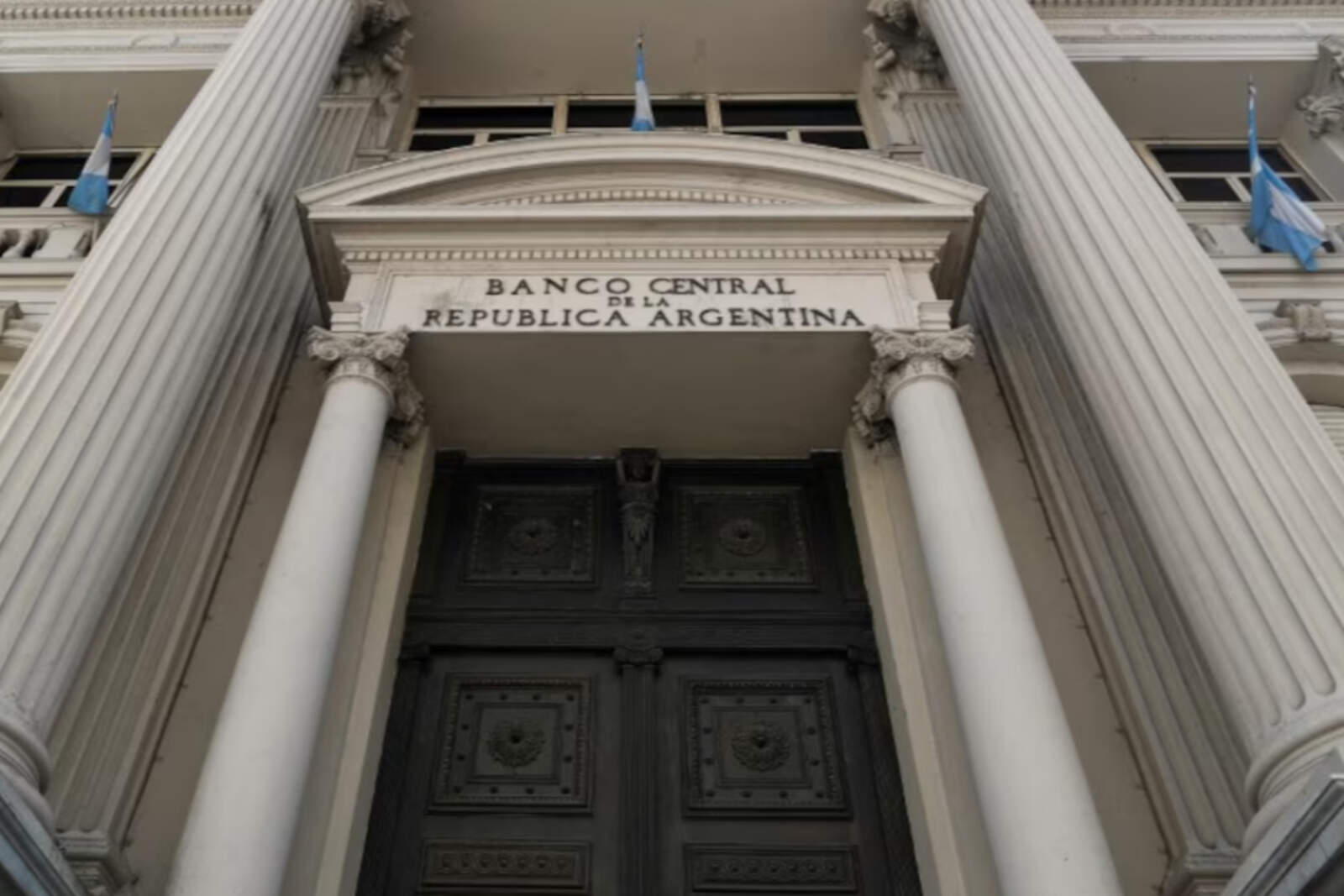

Central Bank confirmed the obtaining of a repo loan for USD 3.0 billion with a group of six top-tier international banks. The operation, agreed at 372 days and with a rate equivalent to SOFR plus 400 basis points, approximately 7.4% annually.
Although BCRA didn't report the names of the participating entities, it did highlight the strong interest from the market. It received offers for USD 4.4 billion, almost 50% more than the amount sought. This excess demand is read within the Government as proof of the renewed attractiveness of the country after the fiscal and monetary reordering driven by Javier Milei's administration.
Caputo had anticipated the return of international credit
In recent weeks, Economy Minister Luis Caputo had confirmed advanced negotiations for a repo of up to USD 7.0 billion. Finally, BCRA awarded USD 3.0 billion, arguing that it wasn't necessary to expand the amount due to the improvement in the international reserves position and the projections of strengthening during the summer.

Central Bank emphasized that this operation "confirms BCRA's ability to access financing instruments under market conditions and to manage its liquidity efficiently", which helps sustain the flow of external payments without putting further strain on reserves.
How the repo works and what guarantees Argentina provided
The mechanism used is a repo (repurchase agreement), which consists of receiving a loan secured by securities that will be repurchased at a price agreed upon in the future. In this case, BCRA delivered as collateral Bonares 2035 and 2038, securities under Argentine law.
To carry out the operation, the Treasury carried out an internal swap with Central Bank in December: it delivered Bonares in dollars and received dollar-linked instruments in exchange. That move was the technical prelude that enabled the signing of the agreement now announced.