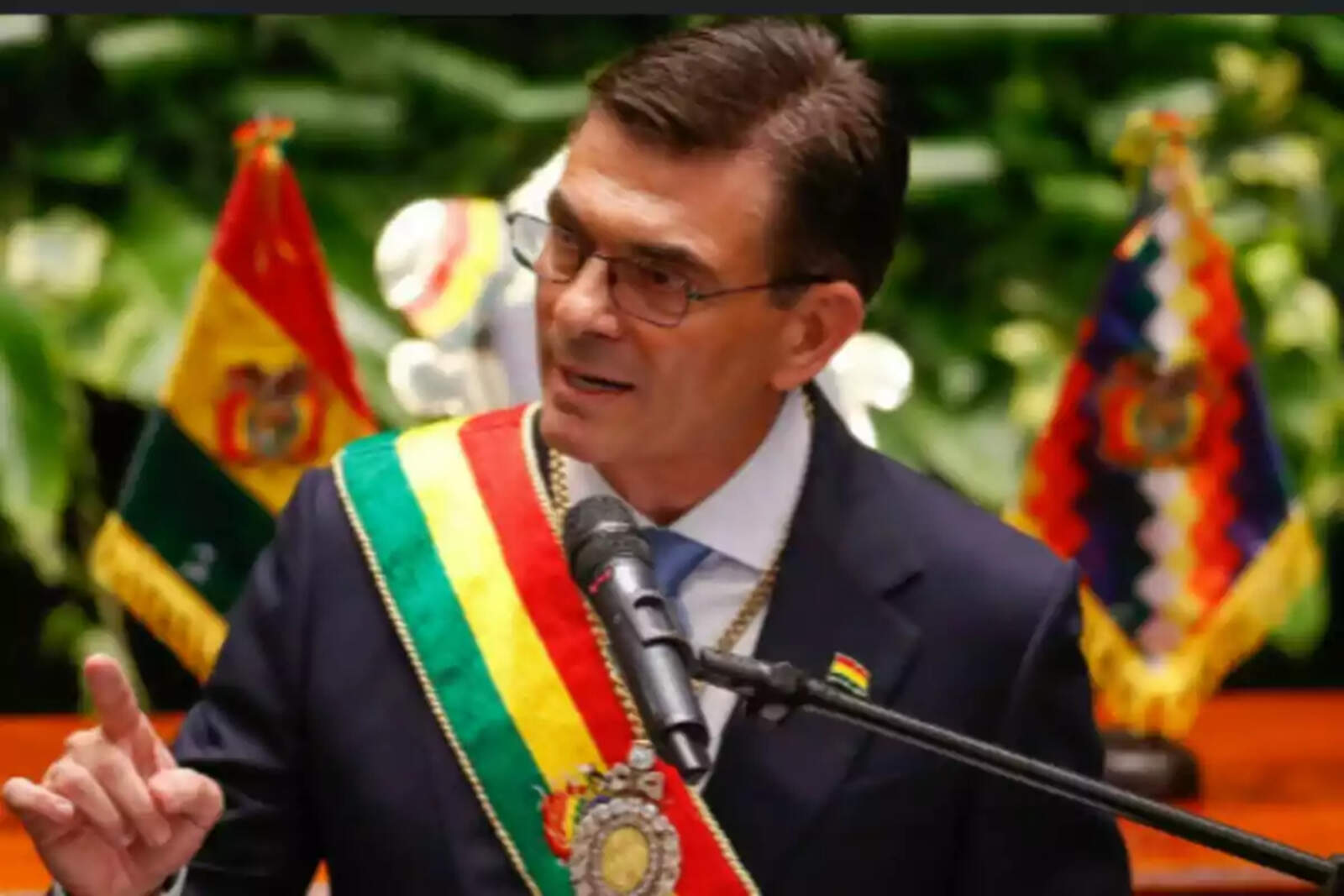

After decades of tense relations with the United States and a marked alignment with China and left-wing governments in the region, Bolivia has begun a significant shift in its foreign policy under the new president Rodrigo Paz, who took office last month with a conservative, pro-business agenda aimed at strengthening ties with the West.
The change of course became evident this week during the visit of the Minister of Foreign Affairs, Fernando Aramayo, to Washington, where he held official meetings and granted an interview to Fox News. As part of his visit, Aramayo signed an agreement to reestablish diplomatic relations with Israel, which had been suspended by the previous government during the war in Gaza.
"We seek a long-term relationship with the United States, based on shared values and interests, in defense of democracy and to build a new alliance in South America", Aramayo declared.
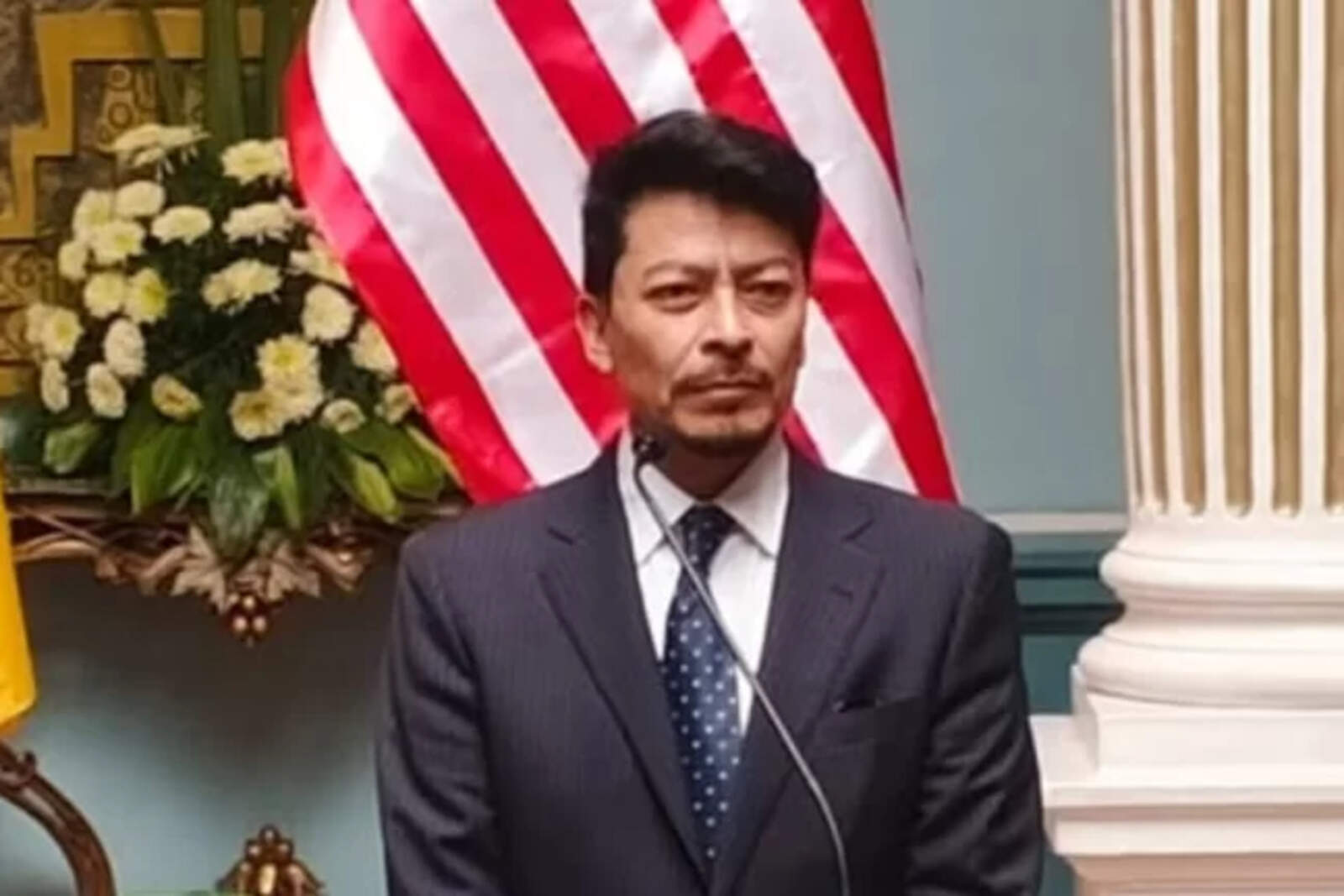
According to the foreign minister, the new administration considers it a priority to reposition Bolivia as a reliable partner of Western democracies and to leave behind years of isolation and ideological confrontation.
Paz's rise to power took place after the collapse of almost two decades of left-wing governments led by Evo Morales and his successor, whose party, the Movement Toward Socialism (MAS), fractured amid economic crises, corruption allegations, and growing social discontent over alleged drug trafficking networks embedded in the state. That scenario paved the way for a deep political change in a country that had been one of China's closest allies in the region.
One of the central pillars of the new government is the attraction of United States investment, particularly in the natural resources sector. Aramayo indicated in advance that Bolivia will promote new laws and regulations to encourage the participation of United States companies and reduce dependence on Chinese capital, especially in lithium exploitation, which is considered strategic for the global energy transition.