In recent weeks, the government of Vladimir Putin has deepened its strategy of social control through an unprecedented tightening of digital censorship in Russia. Since March, millions of citizens began to suffer massive mobile internet blockages affecting essential services such as electronic payments, banking applications, map systems, educational platforms and private messaging
.
The Kremlin went from blocking specific sites to directly limiting general access to the Internet, enabling only a small set of authorized services through white lists. In practice, this means that much of the independent information and global platforms are beyond the reach of the population.
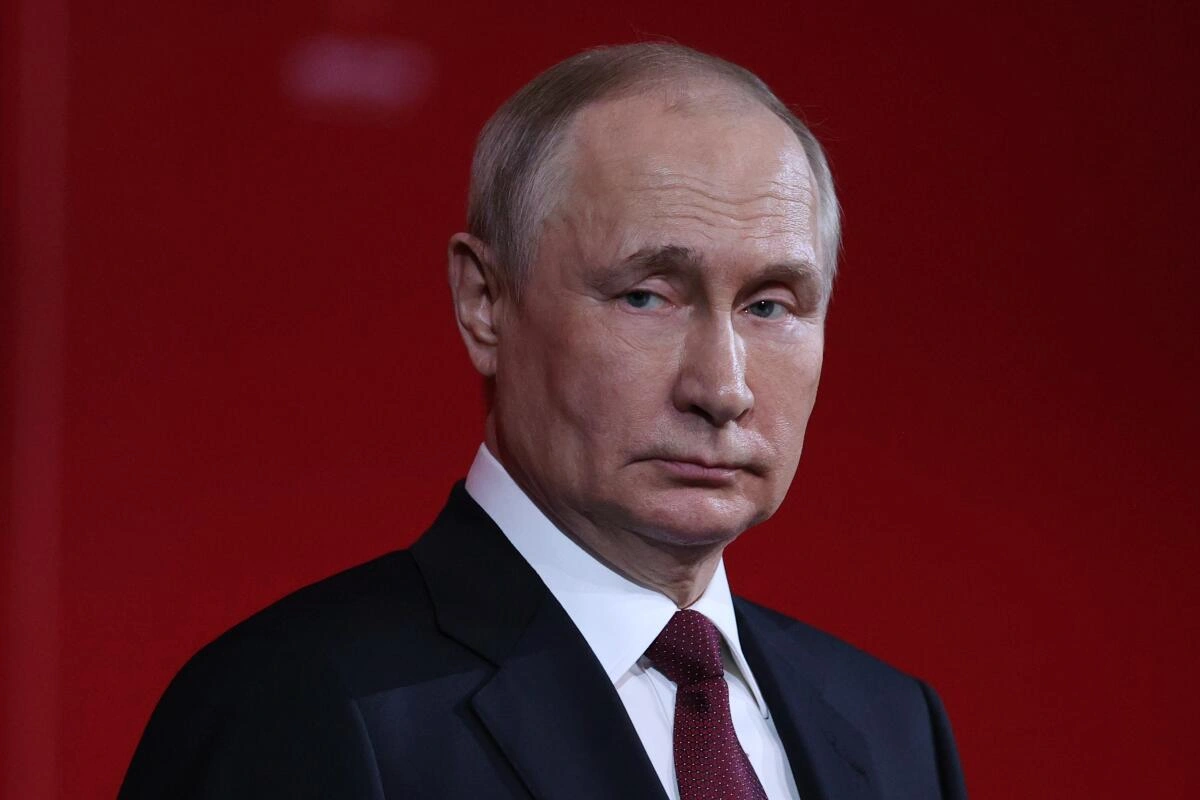
Vladimir Putin.
The official argument is based on security, particularly in the face of possible Ukrainian attacks. However, the restrictions apply even in areas without military activity, reinforcing the idea of a system oriented to internal control rather than defense
.
Specialists in intelligence and digital communication warn that the objective is not only to restrict access to information, but to modify the behavior of citizens. The State can monitor everything, without the population being clear about the limits, thus generating a permanent climate of self-censorship
.
Within this framework, the mobile phone became the main target of the system. Just as the Soviet Union tried to control the circulation of physical documents, today the Kremlin seeks to dominate the digital flow of information. The result is a progressive disconnection of citizens from any narrative that is not supported by the State.
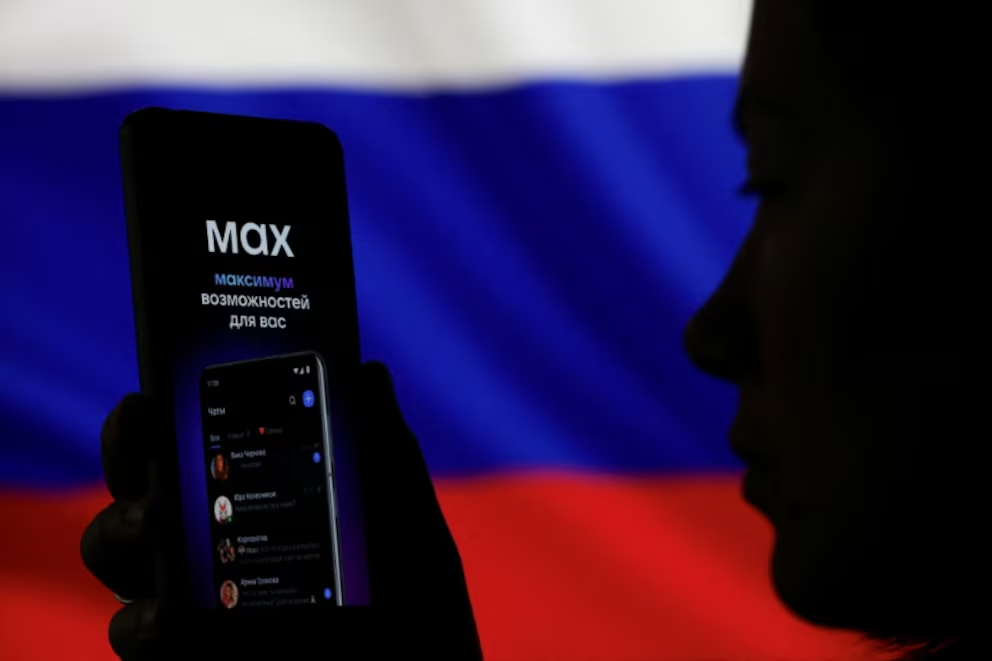
The official app required by the Russian regime.
Added to this is the imposition of official tools. The government requires the use of the state application Max to access public and educational services, centralizing communication under controlled platforms. Experts warn that the app allows you to monitor user activity, including the use of VPNs, which could lead to sanctions
.
Social discontent is beginning to emerge, especially among the youngest, although under strong conditions of repression. Protest attempts were neutralized before taking place, with preventive arrests and reinforced surveillance by security agencies
.
A Russian disinformation network in Argentina
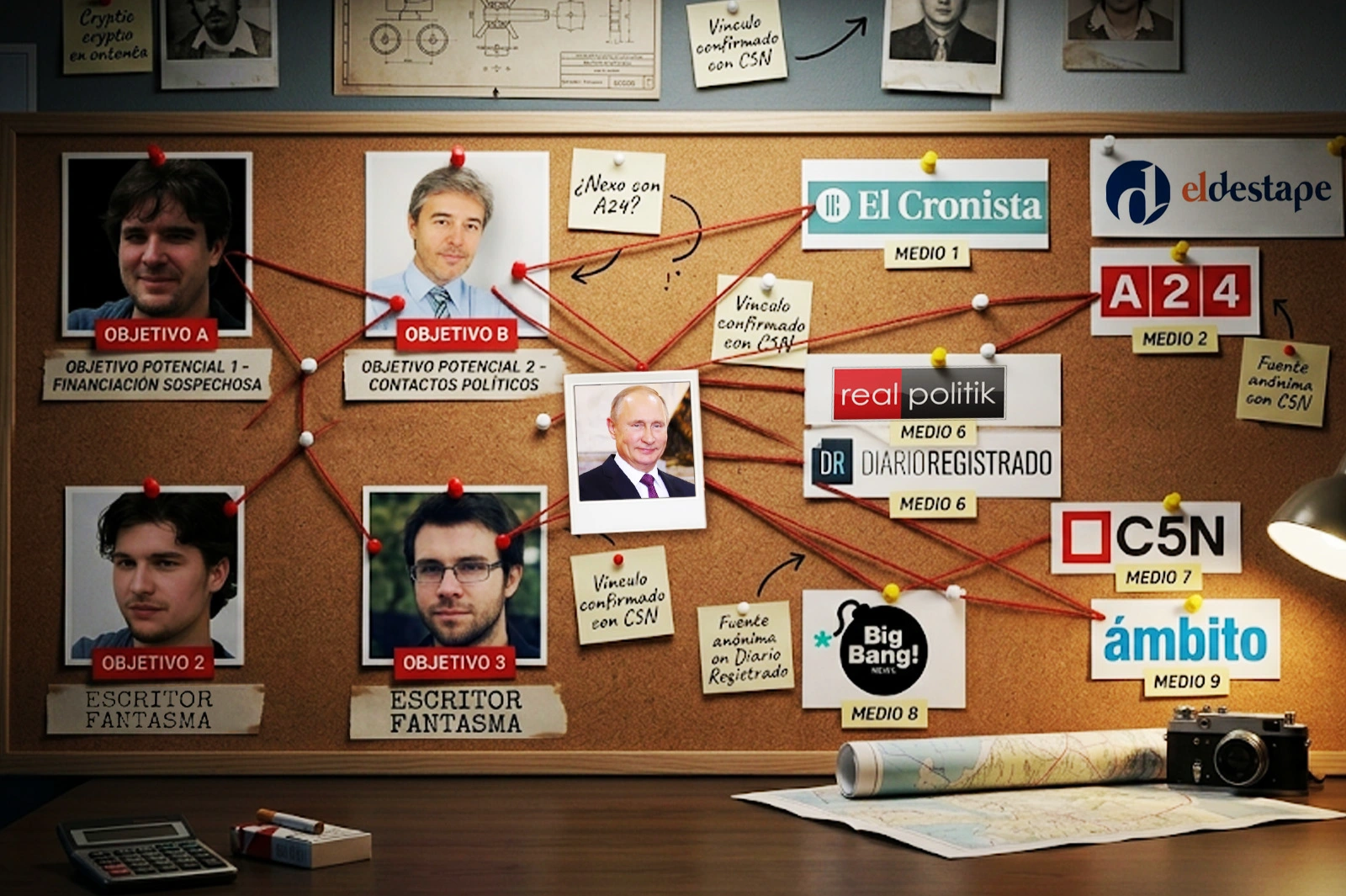
The network involved more than 20 media and 250 articles.
As Russia deepens its internal control model, a disinformation operationorchestrated by Russian intelligence services is being investigated in Argentina.
Leaked documents revealed that a structure linked to the Kremlin would have financed the publication of hundreds of articles in local media to install narratives against the government of Javier Milei.
While the Kremlin limits information within its borders, outwards it seeks to influence public debate in other countries through disinformation, funding and local operators. A scheme that is already under analysis by the Argentine judiciary and that exposes the global reach of these hybrid strategies