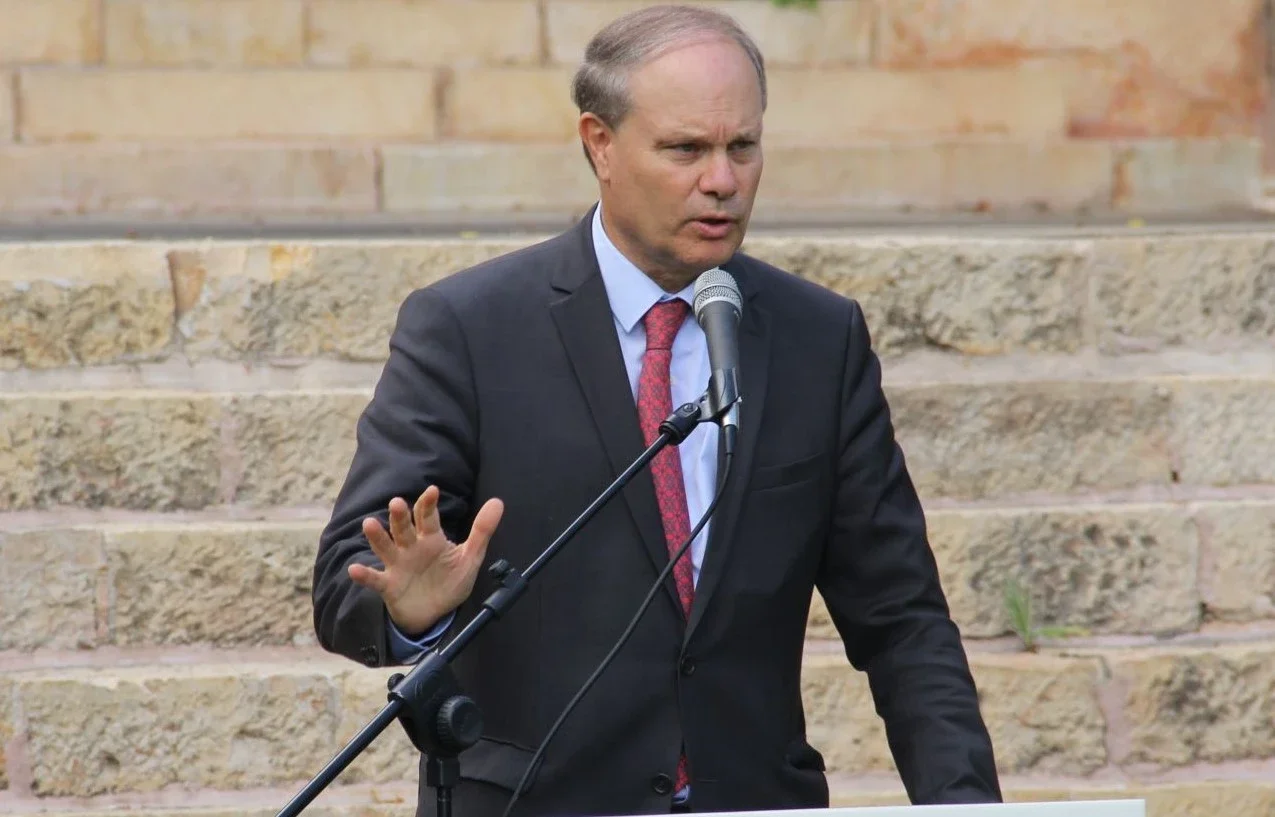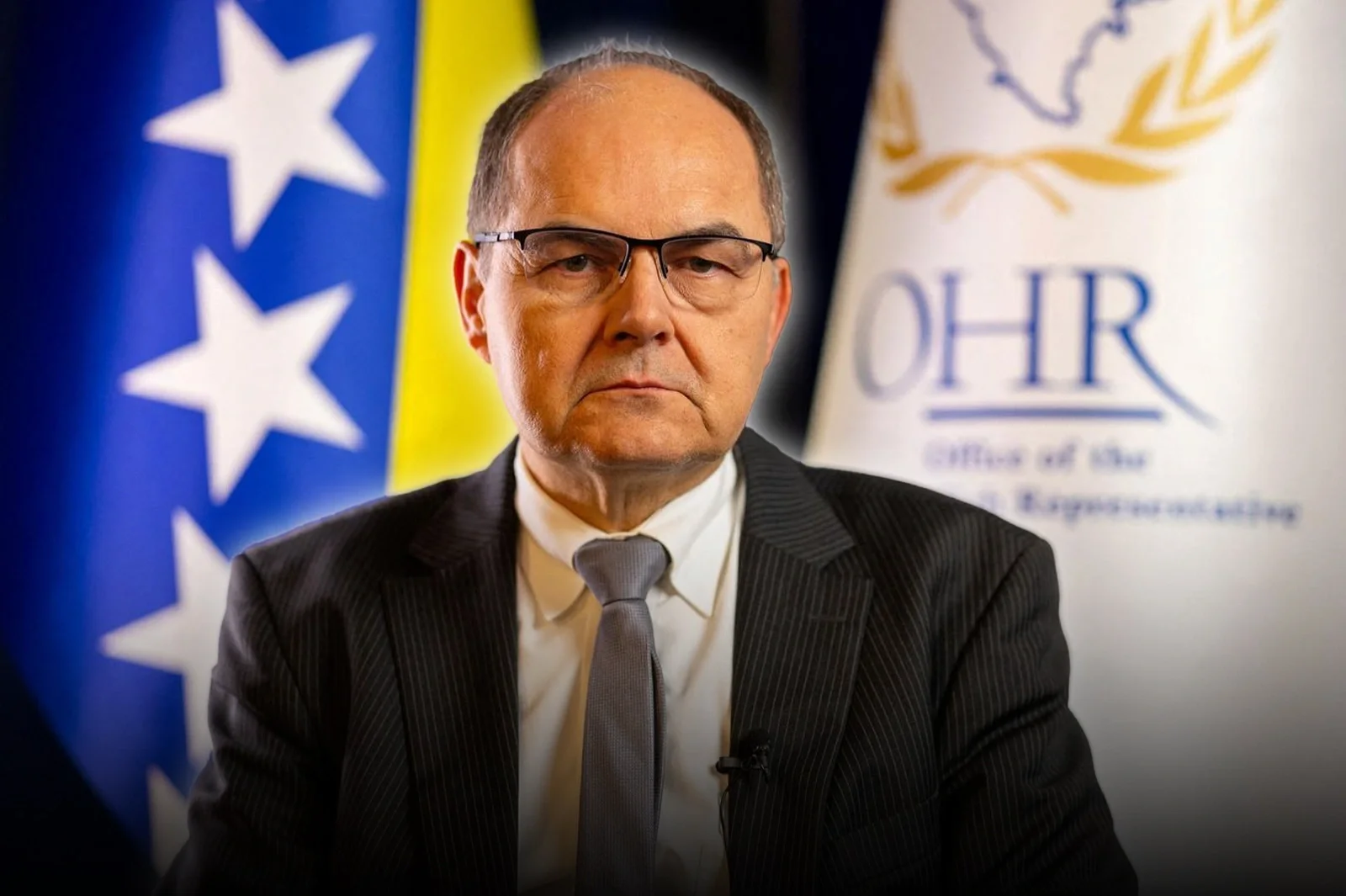

The High Representative for Bosnia and Herzegovina, Christian Schmidt, will leave his position after a tenure marked by political controversy, disputes with local leaders, and growing questions about the usefulness of an international supervisory structure that, nearly three decades after the end of the war, many increasingly consider disconnected from the real needs of the country.
Schmidt's departure has forced the Peace Implementation Council (PIC), the body responsible for ensuring compliance with the 1995 Dayton Agreements, to initiate the process to select a successor. The decision comes amid signs that the United States is looking to redefine its strategy towards Bosnia and the Western Balkans, prioritizing economic stability and energy cooperation over direct political intervention.
Although Schmidt initially cited personal reasons to justify his resignation, he later told German media that he had been subjected to ''enormous and surprising'' pressure from the United States to expedite his departure. The statements sparked an intense diplomatic debate, although several observers believe that the change reflects a broader review of Western policy in the region.
Since his appointment in 2021, Schmidt has been involved in frequent clashes with Bosnian political leaders, especially with representatives of the Republika Srpska, the Serbian autonomous entity within Bosnia and Herzegovina. His decisions faced criticism from various sectors, which accused him of overstepping his authority and constantly intervening in matters that should be resolved through internal democratic mechanisms.
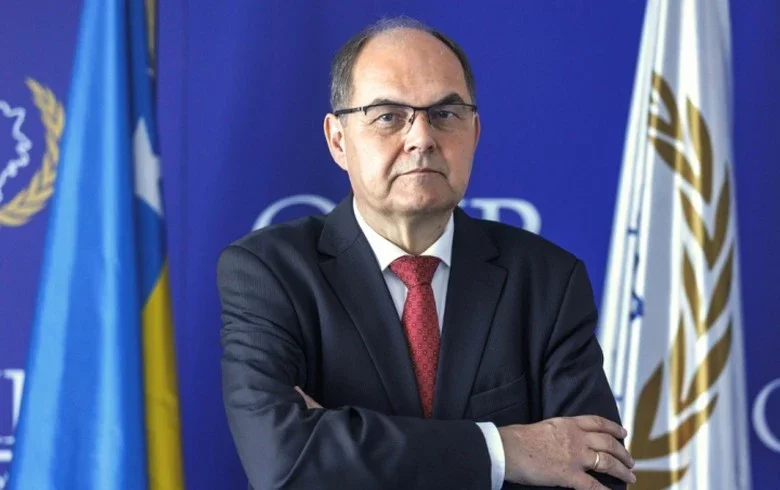
The Office of the High Representative was created after the war to oversee the implementation of the peace agreement. However, over the years, it has accumulated broad powers that allow its holder to impose laws, modify institutional decisions, and even dismiss democratically elected officials. For many critics, these extraordinary powers have contributed to prolonging a political dependency that hinders the country's institutional maturation.
During Schmidt's tenure, political tensions did not decrease. On the contrary, several observers argue that his interventions ended up fueling conflicts among the different ethnic communities and strengthening the perception that key decisions continued to depend on external actors.