The Kirchnerist opposition in the Chamber of Deputies rejected the proposal from the Government of Javier Milei to finance public universities and approved a modification that raises the sector's allocations from $7.35 trillion to $11 trillion in the 2027 Budget, which would destroy the fiscal surplus.
The decision represents a significant increase in spending and generated backlash from the ruling party, which warned about its serious consequences for the balance of public accounts and the economic stability of the country.
The 2027 Budget project received preliminary approval in general during the early hours of Friday, November 27, with 136 affirmative votes. However, during the specific treatment, opposition blocs managed to impose changes in the chapter dedicated to university financing.
The vote on university spending.
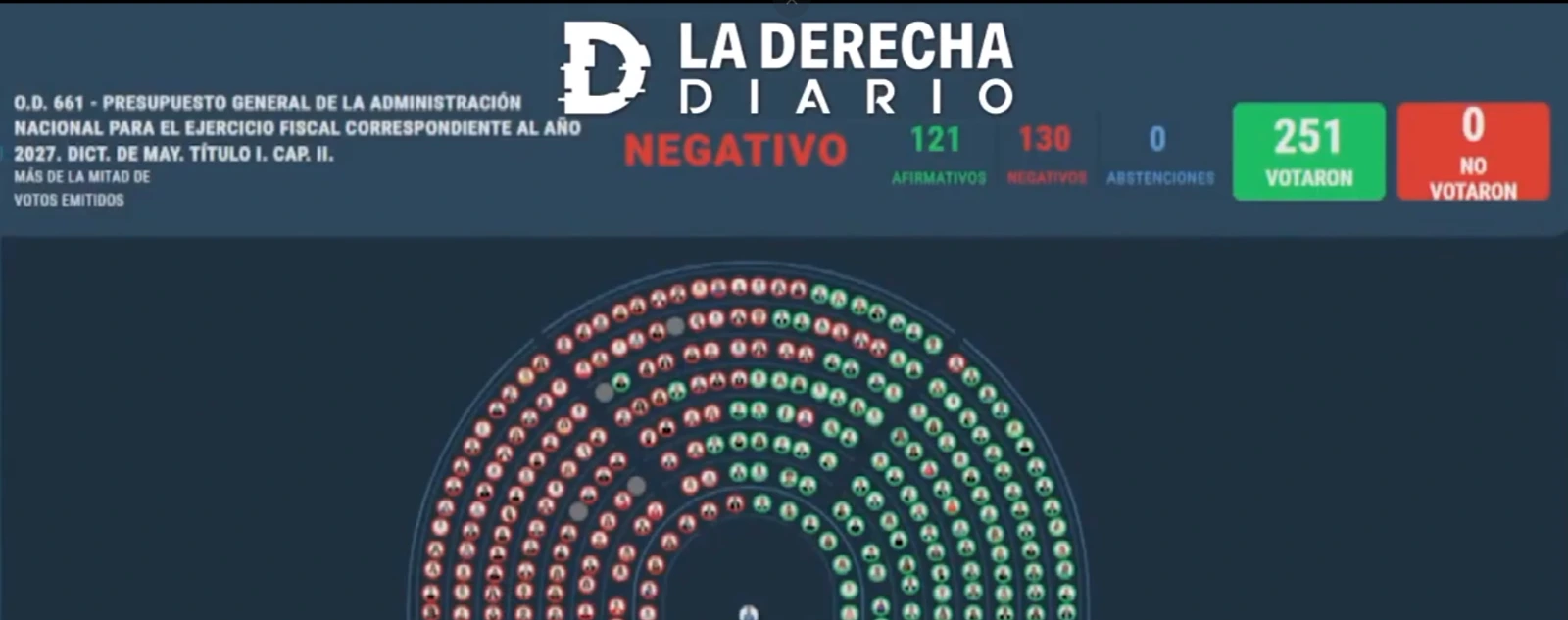
The ruling party's proposal, which contemplated around $7.35 trillion and an additional offer of up to $1.5 trillion to address judicial rulings, was rejected by 130 votes against 121.
Subsequently, a motion presented by the opposition to raise the resources to $11 trillion was approved. The highly deficit initiative received 138 affirmative votes and 109 negative votes, with support from Union for the Homeland, the left, and other provincial blocs.
From the ruling party, they questioned the outcome and argued that the increase would destroy the fiscal balance established by Milei's Government, which represents the cornerstone of his economic program and made it possible to emerge from the severe economic crisis inherited from Kirchnerism.
The Milei administration defends a budgetary scheme that projects a primary surplus of 1.1% of GDP and seeks to consolidate the balance of public accounts for the fourth consecutive year. In this context, it considers that the limit for university financing compatible with fiscal goals is, at most, $7.35 trillion.
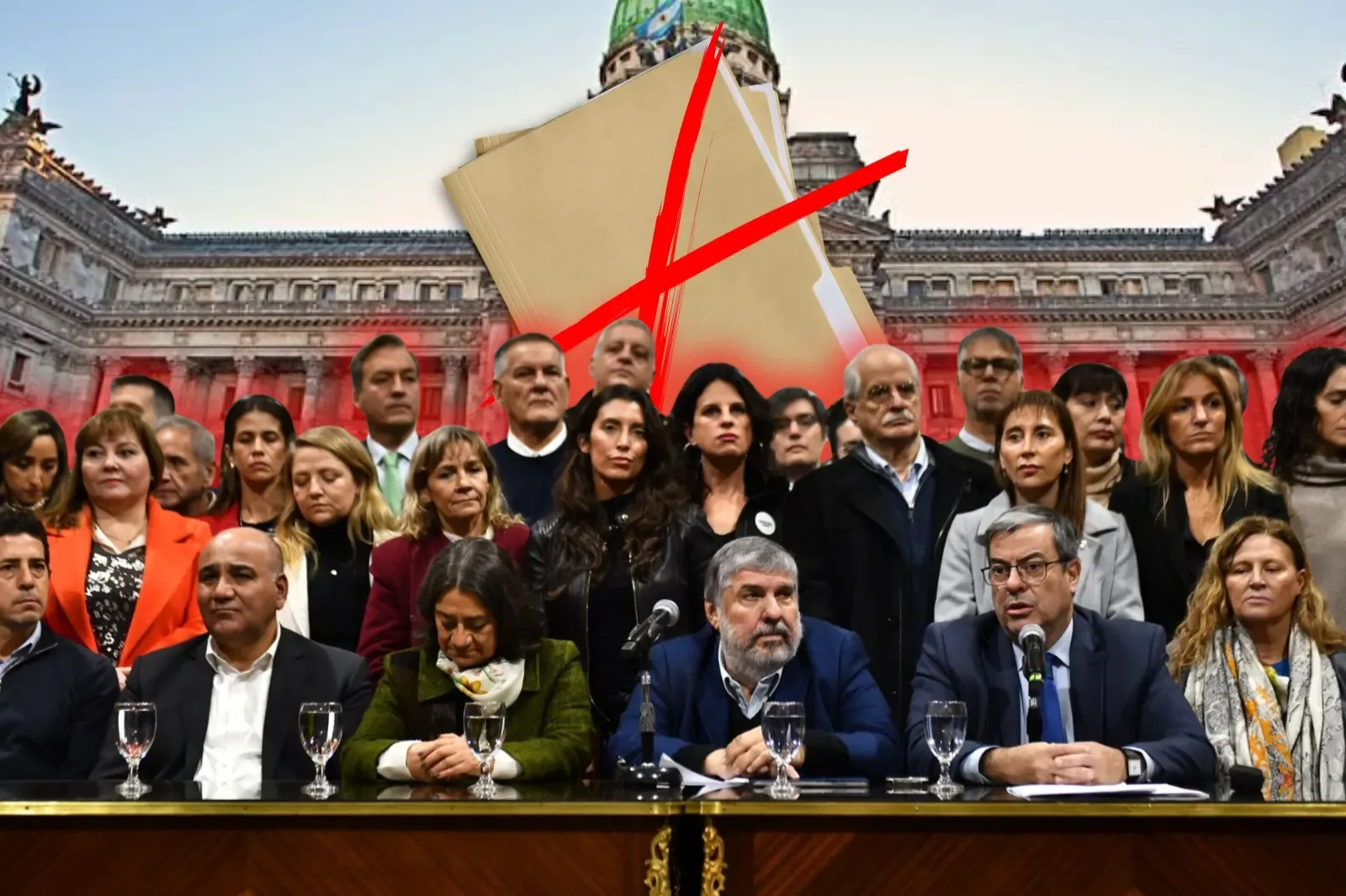
Kirchner legislators.
In addition to the increase in allocations, the Government rejected the automatic adjustment mechanism incorporated by the opposition. The modification contemplates adjusting university salaries according to collective bargaining agreements and operational expenses according to inflation measured by the Consumer Price Index (CPI).
However, taking on permanent commitments without budgetary allocations to support that system puts fiscal order at risk.
The Government will seek to halt the increase or veto it
After the approval in the Chamber of Deputies, the 2027 Budget will need to be addressed in the Senate during December, within the framework of extraordinary sessions. The ruling party's strategy will be to negotiate with legislators to reverse the changes introduced in the university chapter and prevent the increase from being permanently incorporated into the project.
If the upper house ratifies the text approved by the Chamber of Deputies, Javier Milei will have the option to apply a veto on the articles that destroy the fiscal surplus.