The Democratic Party is experiencing hours of total desperation in California after the immense growth of the Republican Party, which could win the state
Nuevo
Agregar La Derecha Diario en
Compartir:
Leaders of the Democratic Party in California expressed deep concern about the possibility that the fragmentation of their broad list of gubernatorial hopefuls could end up favoring Republicans in the 2026 elections, in a scenario that could break with almost two decades of Democratic dominance in statewide offices.
Nine Democrats are competing to succeed the socialist Gavin Newsom, who can't seek reelection because of term limits. Facing them, two Republicans stand out: conservative commentator Steve Hilton and Riverside County Sheriff Chad Bianco.
Under California's "jungle primary" system, the two candidates who receive the most votes in the June primary, regardless of their party affiliation, advance to the November general election.
That format has set off the alarm among Democrats, who fear that the dispersion of the progressive vote could allow the two Republicans to lead the primary and leave out all the contenders from the majority party.
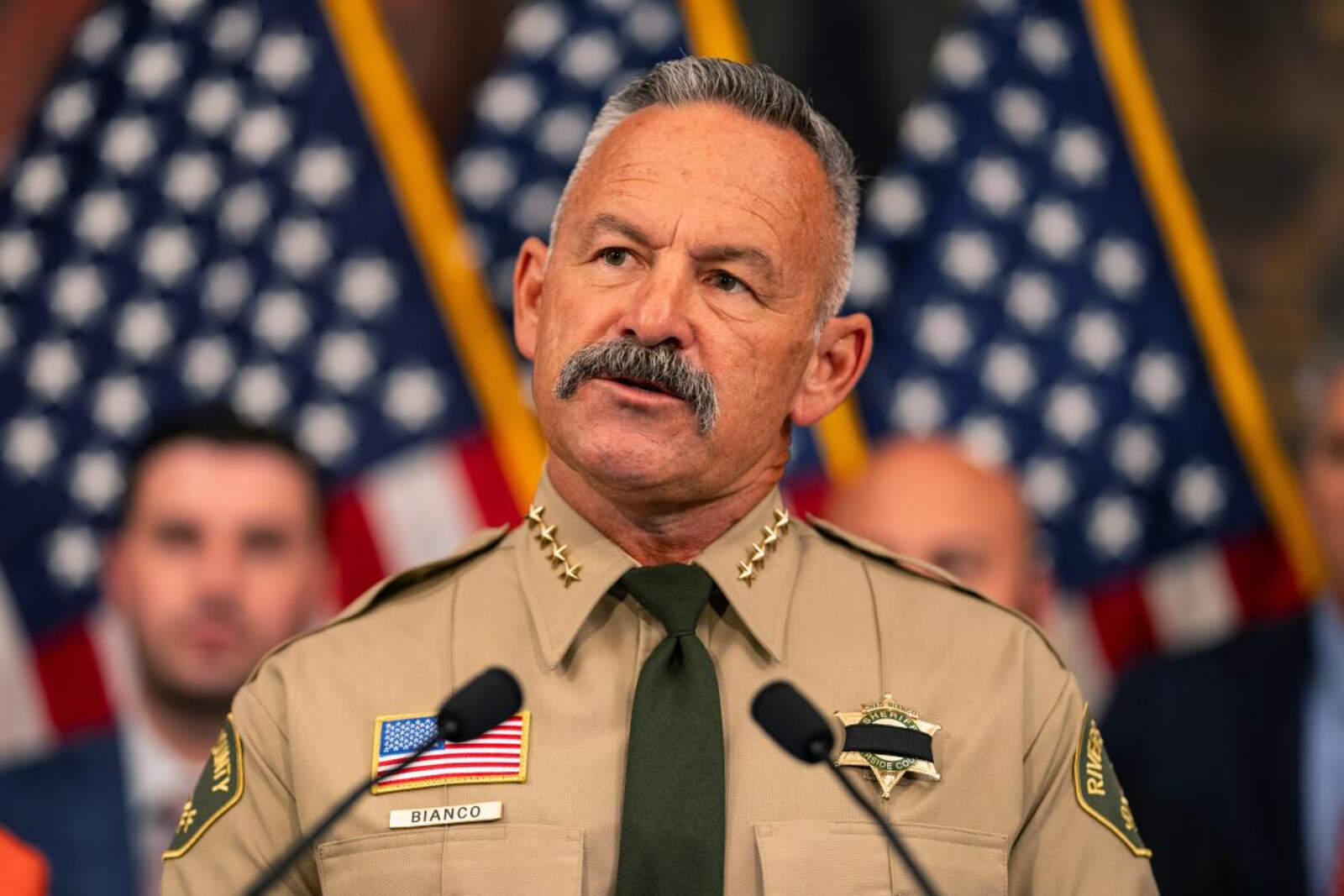
El Sheriff Chad Bianco es uno de los republicanos que podría convertirse en el próximo gobernador de California
According to a recent polling average cited by the site Real Clear Politics, Hilton and Bianco are tied for first place with 15.5% voting intention each. The best-positioned Democrat, Congressman Eric Swalwell, registers 12.5%, while the rest of the party's contenders are at lower percentages.
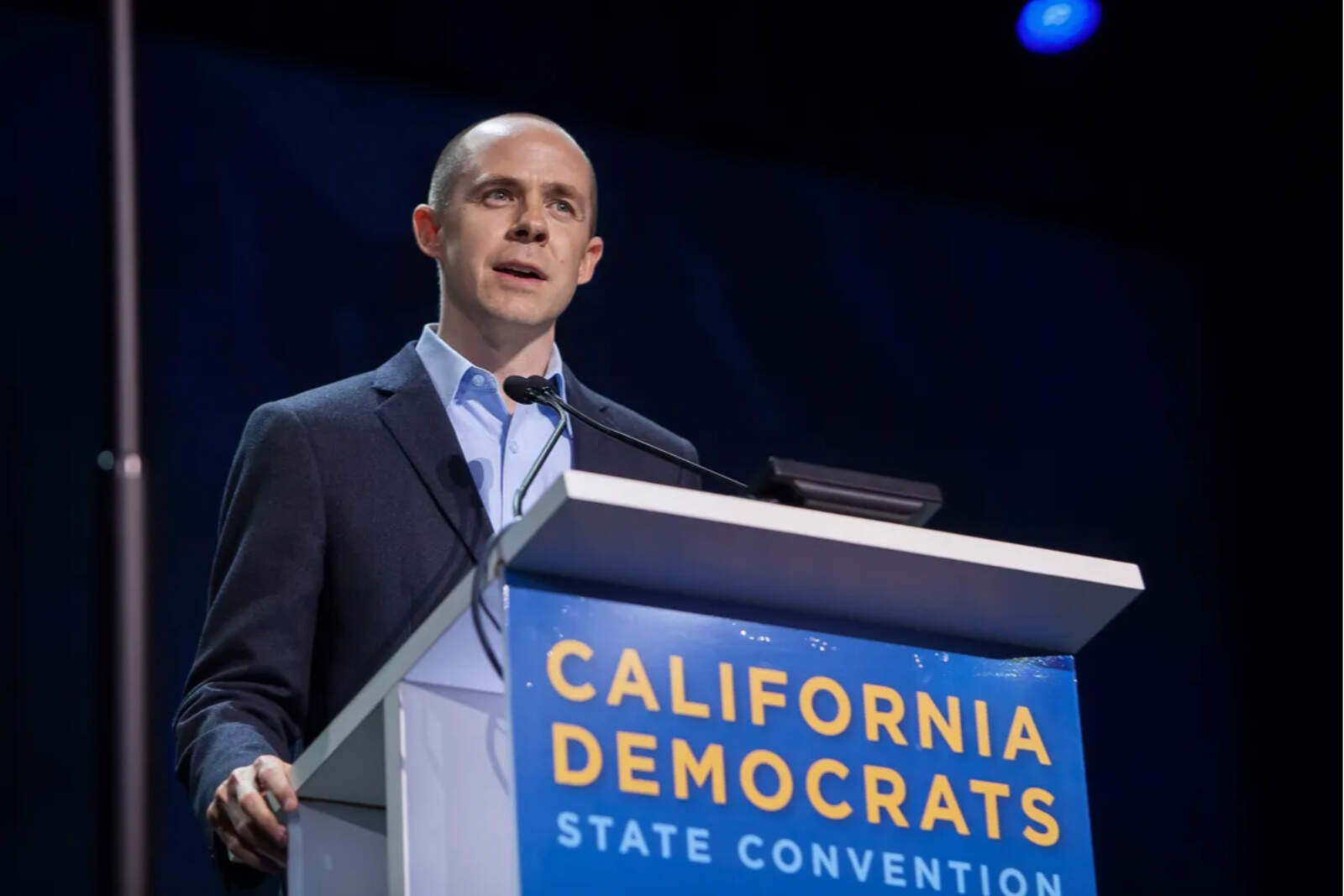
During the state Democratic Party's annual convention, its chair, Rusty Hicks indirectly acknowledged the concern and stated that the organization is willing to do "whatever it takes" to ensure that a strong candidate emerges from the primary and can win in November.
Although he avoided mentioning names, the message was interpreted as an invitation for the hopefuls with lower chances to reconsider their presence in the race.
El presidente del Partido Demócrata de California se mostró fuertemente preocupado
Among the Democrats with low levels in the polls are State Superintendent of Public Instruction Tony Thurmond, former Controller Betty Yee, former Los Angeles Mayor Antonio Villaraigosa, and former Assembly Majority Leader Ian Calderon.
Some party leaders and strategic allies have begun to raise private conversations about the need to narrow the field to avoid an adverse scenario.
The precedent from 2012 in a congressional district in San Bernardino County fuels those concerns. Back then, four Democrats split the vote in the primary, which allowed two Republicans to advance to the general election, despite the Democratic advantage in voter registration. That episode is cited as an example of how fragmentation can alter results in a system without traditional party primaries.
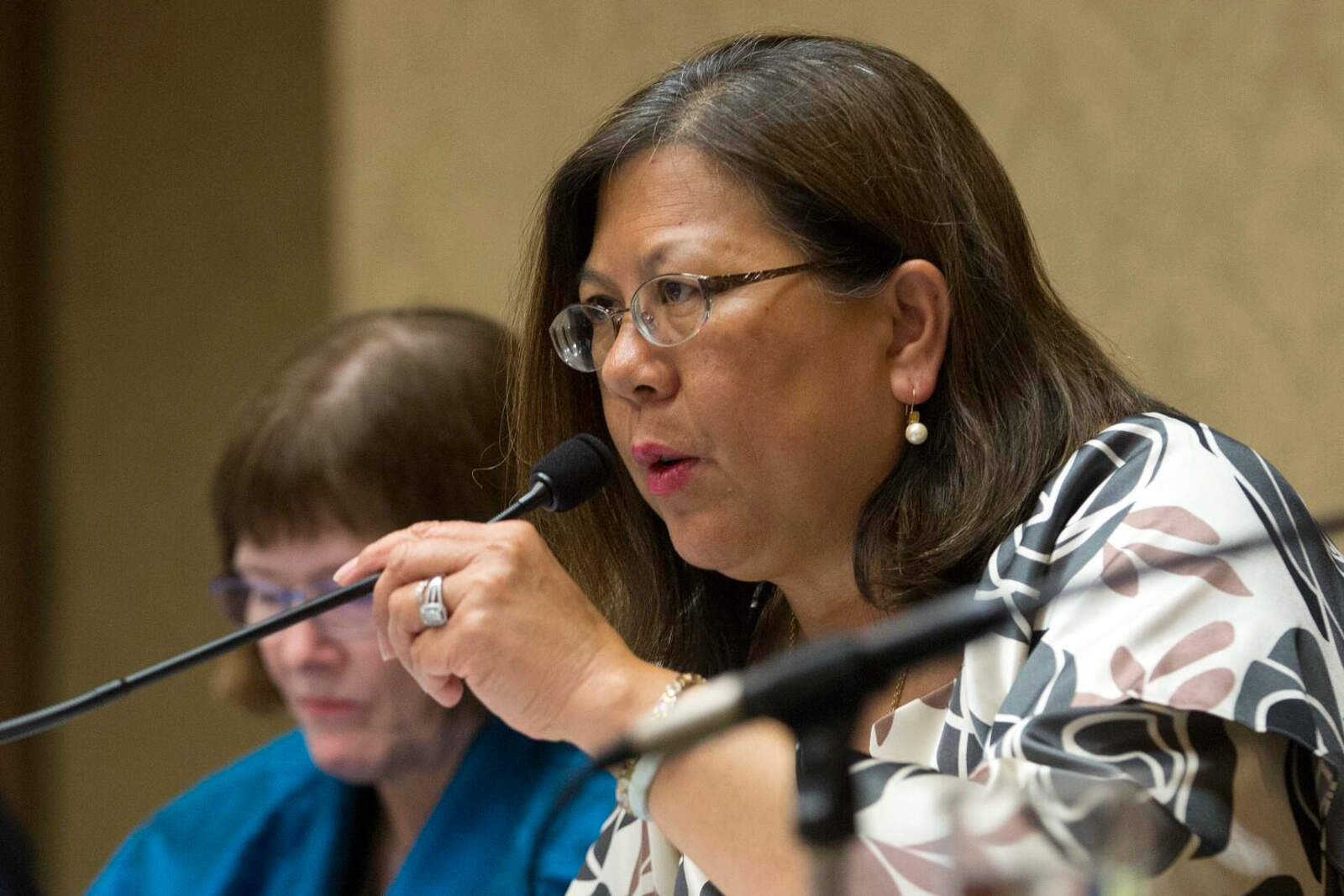
Betty Yee, ex contralor del estado, se mostró enfurecida con el establishment del Partido Demócrata estatal
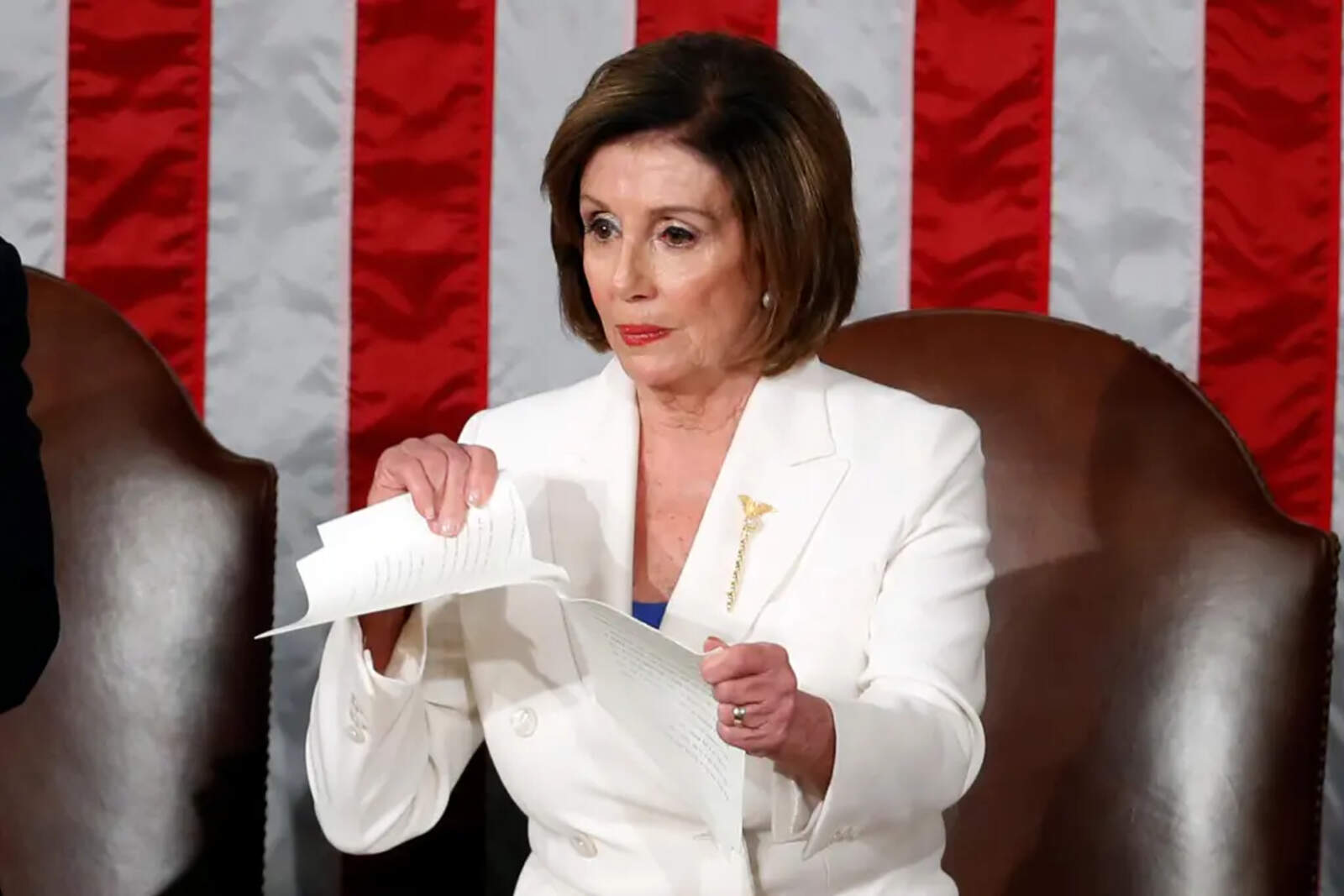
Nevertheless, influential figures have played down the risk. Former Speaker of the House of Representatives Nancy Pelosistated that she doesn't believe it is possible for two Republicans to top the ballot in November and defended the party's unity. "Our diversity is our strength and our unity is our power," she maintained after participating in an event with young Democrats.
The debate has also caused internal tensions. Betty Yee rejected the pressure to leave the race, calling it "antidemocratic," and insisted that she is not running for personal interests.
Ian Calderon, meanwhile, said that Swalwell had suggested that he withdraw, an accusation that the congressman denied. These clashes reflect the party's difficulty in balancing internal competition with electoral strategy.
Nancy Pelosi intentó bajar el tono de las preocupaciones demócratas
Allied organizations, such as unions and reproductive rights advocacy groups, are watching the process closely. Some leaders have warned that a general election without a Democratic candidate could affect the mobilization of the progressive electorate and have consequences in legislative and congressional races.
Despite the fact that Democrats far outnumber Republicans in registered voters and that no Republican has won a statewide office since 2006, the combination of a crowded field, the absence of a clear favorite, and the particular electoral system keeps the race wide open.