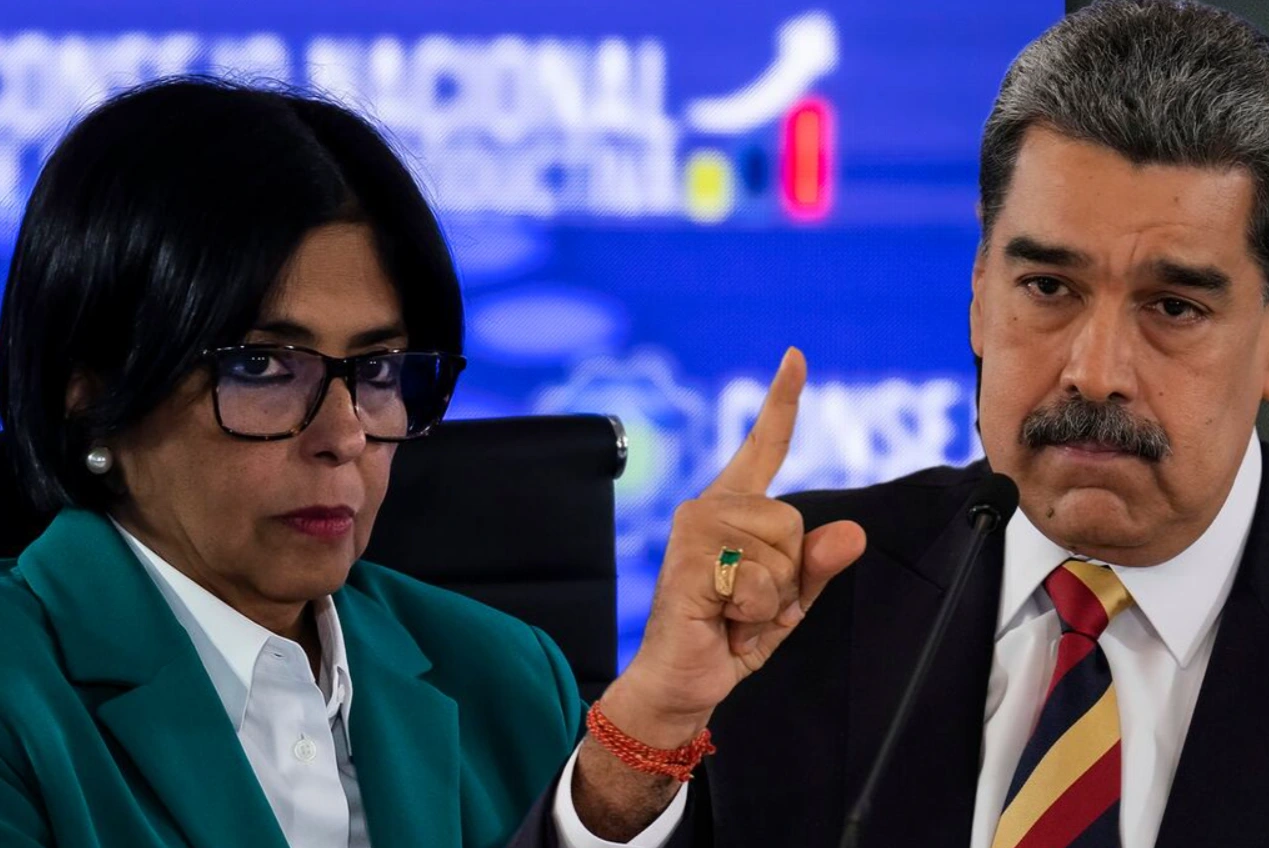

After months of statistical silence, the Central Bank of Venezuela re-released official data and confirmed annual inflation close to 475% in 2025.
Nuevo
Agregar La Derecha Diario en
Compartir:
The Central Bank of Venezuela (BCV) republished official inflation figures after several months without releasing economic statistics. The agency confirmed that the country closed 2025 with an annual inflation of 475.28%, a level already anticipated by various analysts and international organizations
.
The update of the National Consumer Price Index (INPC) came after the BCV stopped publishing data in October 2024, which had raised strong questions about the lack of transparency in the country's economic statistics.
The new numbers also reveal that the inflationary escalation continues in 2026.
Inflation has already exceeded 50% so far in 2026
.
According to official data released by the central bank, Venezuela accumulated 51.9% of inflation in the first two
months of 2026.
The monthly breakdown shows a very strong acceleration at the beginning of the year:
January: 32.6%
February: 14.6%
With these numbers, the country has eleven consecutive months of double-digit inflation, a sign that the underlying problem
remains unresolved.
In addition, the price increase recorded in January was the highest in the last three years, reflecting the fragility of the Venezuelan monetary system.

Image 1370515
Food and communications lead the increases The
BCV report shows strong increases in different sectors of the
economy.
In January, the category that increased the most was food and non-alcoholic beverages, with an increase of 36.6%, which has a direct impact on the population's cost of living.
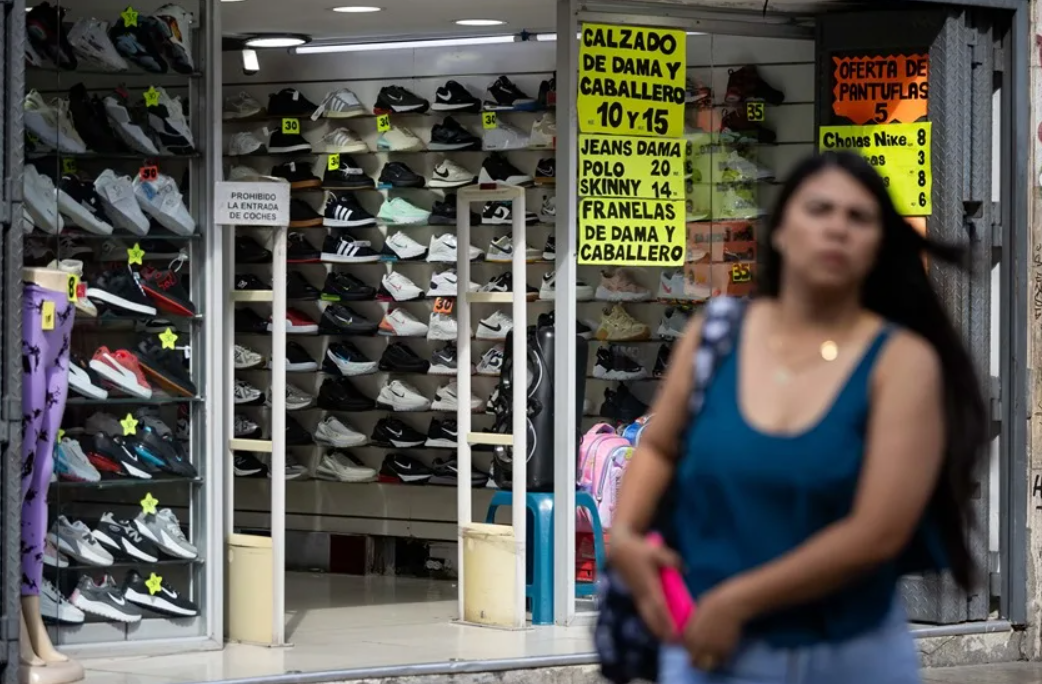
In February, on the other hand, the sector with the highest increase was communications, which registered an increase of 22.3%.
These increases add to an economy that is still suffering the consequences of the hyperinflation that hit the country between 2017 and 2021, one of the most extreme inflationary episodes in recent history.
The rise of the dollar continues to put pressure on prices
Economists agree that one of the main factors behind the inflationary acceleration is the strong increase in the dollar, which acts as a reference for setting prices in a large part of
the Venezuelan economy.
In just two months, the official exchange rate went from 301.37 to 417.35 bolivars per dollar, representing an increase of 38.4%.
This implies a 27.7% devaluation of the bolivar against the dollar, which has a direct impact on the price of goods and services.
Image 1370516
The informal dollarization of the economy was consolidated during the hyperinflationary crisis and remains a key factor
in explaining price dynamics.
The regime assures that the economy grew in 2025
. In parallel with the publication of inflation data, the Central Bank maintained that the Venezuelan economy grew 8.66% in 2025 compared to 2024, with a 7.07% increase in GDP in the
fourth quarter.
According to the agency, the country has accumulated 19 consecutive quarters of economic growth, despite what it describes as “exceptional external circumstances”.
The Venezuelan government insists that international sanctions continue to condition the functioning of the economy.
New diplomatic moves with the United States
In this context, Caracas also calls for the total lifting of the sanctions imposed
by the United States.
Tensions between the two countries have begun to moderate in recent months. In fact, the formal re-establishment of diplomatic and consular relations was recently announced, after seven years of rupture
.
The rapprochement came just two months after the United States captured former dictator Nicolás Maduro and his wife Cilia Flores in Venezuelan territory, in an operation that drastically changed the political scene in the country.