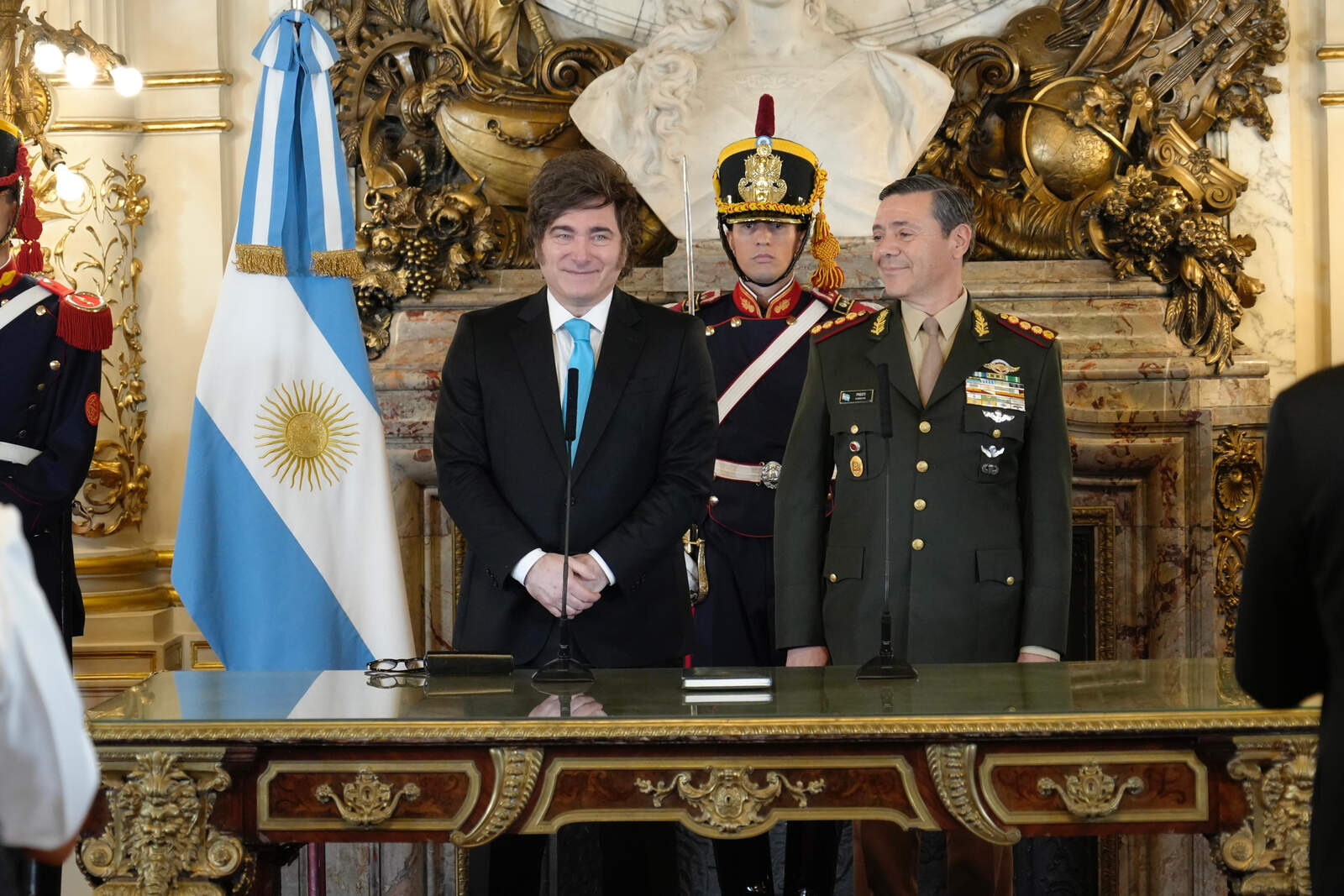
Presti was sworn in wearing a uniform in the White Hall, marking a new era in the leadership of the Ministry of Defense
Nuevo
Agregar La Derecha Diario en
Compartir:
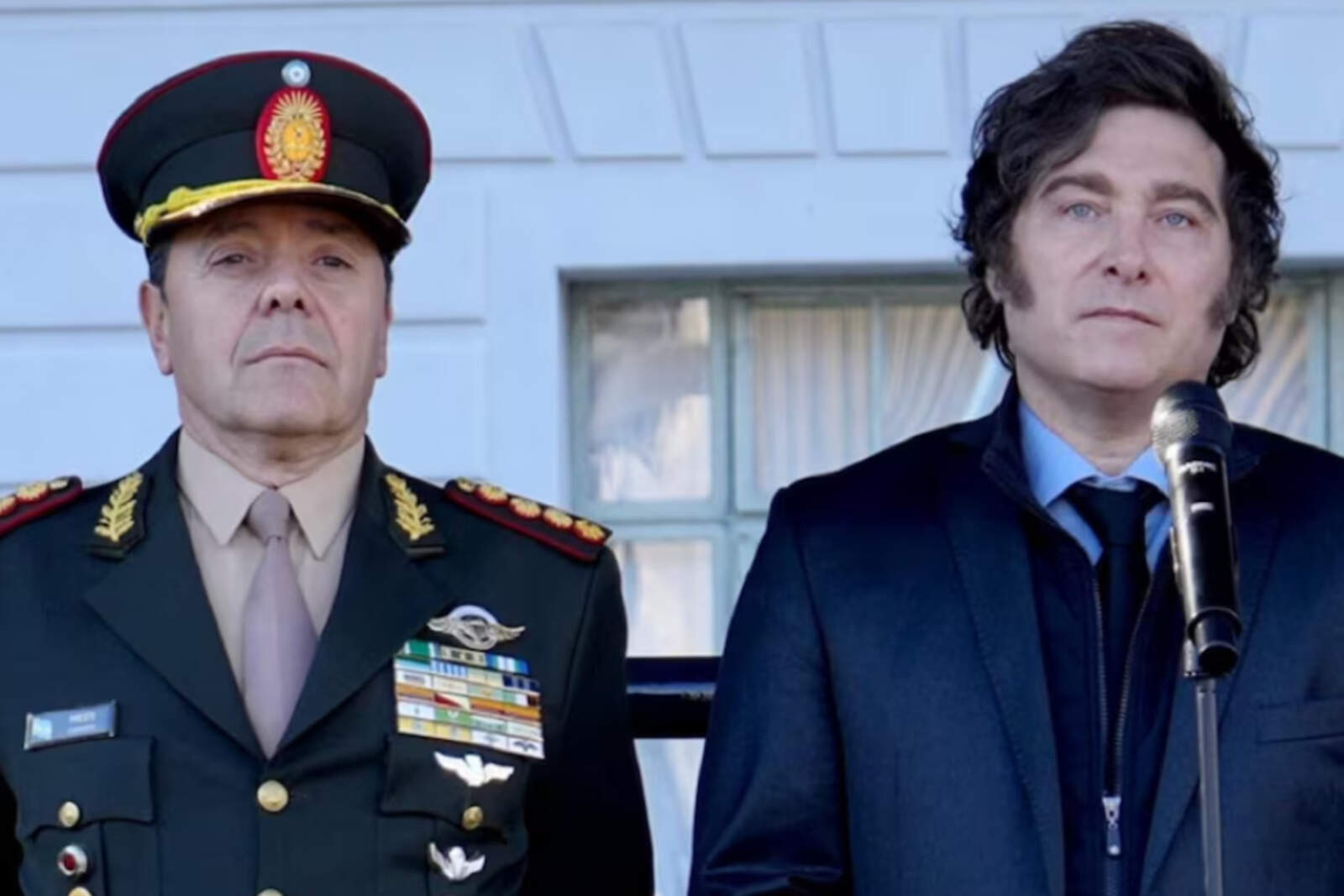
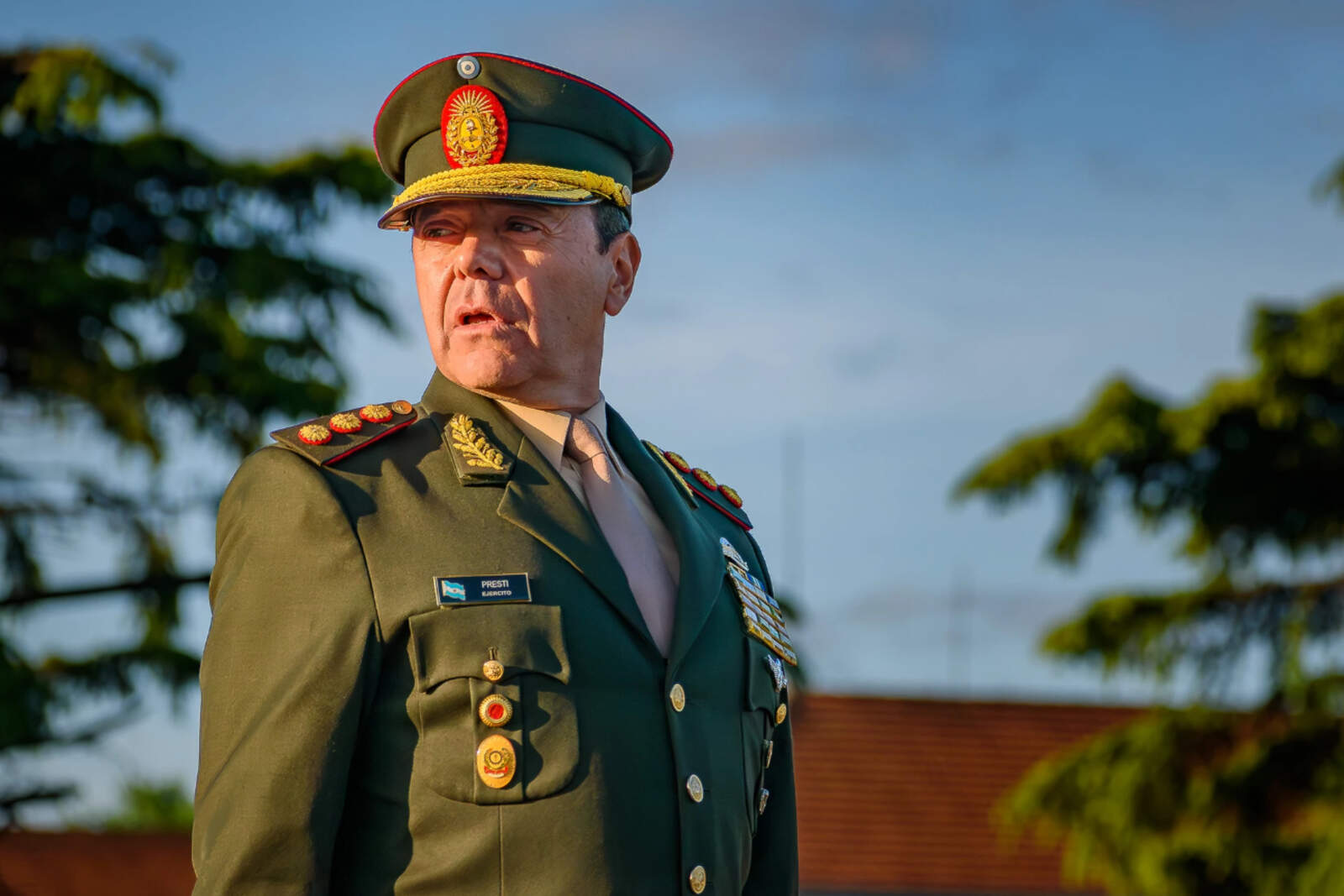
Lieutenant General Carlos Alberto Presti took over the Ministry of Defense with a signal that the ruling party considers key: he entered the White Hall in his military uniform. The gesture, described internally as "symbolic but forceful," anticipates the doctrinal direction the area will take under his leadership and marks a clear contrast with the logic of Kirchnerism, which had removed career military personnel from numerous operational positions.
The decision consolidates a deep shift: returning strategically important roles in a historically sensitive portfolio for civil-military relations to professionals trained in the Armed Forces.
A mixed cabinet: political continuity and the recovery of military personnel
The team that will accompany Presti combines technical experts, retired officers, and active-duty military personnel. The political-administrative framework promoted by Luis Petri since December 2023 is preserved, but figures with military backgrounds are being incorporated to reinforce the ministry's professionalization.
The most relevant position, the Secretariat of Strategies and Military Affairs, will be held by Division General Jorge Alberto Puebla, an expert in planning and the main liaison between Azopardo and the General Staffs of the three branches.
Cambio de época: el teniente general Carlos Presti asumió como ministro de Defensa
In International Affairs, Lieutenant Colonel (Ret.) Daniel Enrique Martella will take office, having been removed during the Kirchner administrations. His return responds to the Government's intention to reintegrate personnel who were purged in previous stages and to strengthen the Defense foreign agenda, especially in military cooperation with the United States and Israel.
Institutional reorganization and immediate priorities
One of the first challenges will be the intervention and reorganization of IOSFA, an institution affected by structural deficits and persistent complaints. The agency will be led by a civilian with business experience, whose name will be officially announced in the coming days.
At the Defense Logistics Agency, Brigadier General Carlos Horacio Martín will take office, a specialist in acquisitions and considered key to the modernization plans the Government intends to finance this year.
Guillermo Madero will also continue as Chief of the Advisors' Cabinet, ensuring continuity in emergency response areas, while Mario Katzenell will remain in charge of Research and Production for Defense. In Administration, Colonel Ariel Andrés Mira Peña will take office, a central figure in budget planning.
Cambio de época: el teniente general Carlos Presti asumió como ministro de Defensa
Changes in the leadership of the Armed Forces
Presti's arrival coincides with a deep reorganization in military leadership. The Navy regains command of the Joint Chiefs of Staff after three decades, with Vice Admiral Marcelo Alejandro Dalle Nogare as the new chief. He will be accompanied by Brigadier General Sergio Jurczyszyn as deputy chief. Brigadier General Xavier Isaac has retired.
In the Army, the new chief will be General Oscar Santiago Zarich, while in the Navy, Vice Admiral Juan Carlos Romay will take office, following multiple high-level retirements. The Air Force confirmed Brigadier General Gustavo Javier Valverde, a key figure in the incorporation of the recently arrived F-16s.
A management model with discipline and efficiency as its core
Presti's arrival consolidates the Government's commitment to an austere, orderly Ministry of Defense with strong military professionalization. The objective is to translate this new architecture into concrete operational improvements after decades of interruptions, logistical deficits, and politicized leadership.