The president of the Venezuelan Parliament assured that there will be no elections in the short term and conditioned any call to a prior process of political stabilization
Nuevo
Agregar La Derecha Diario en
Compartir:
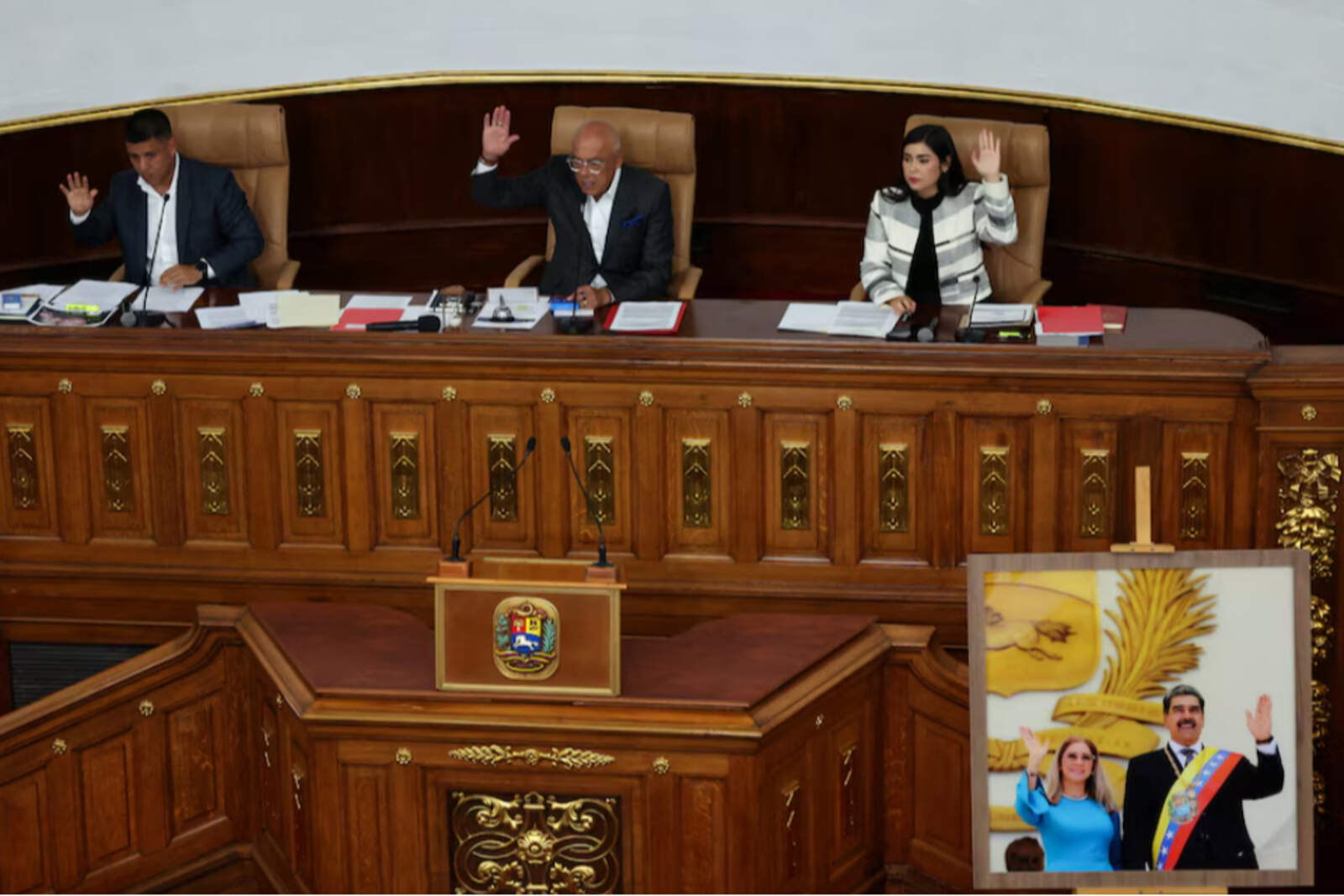
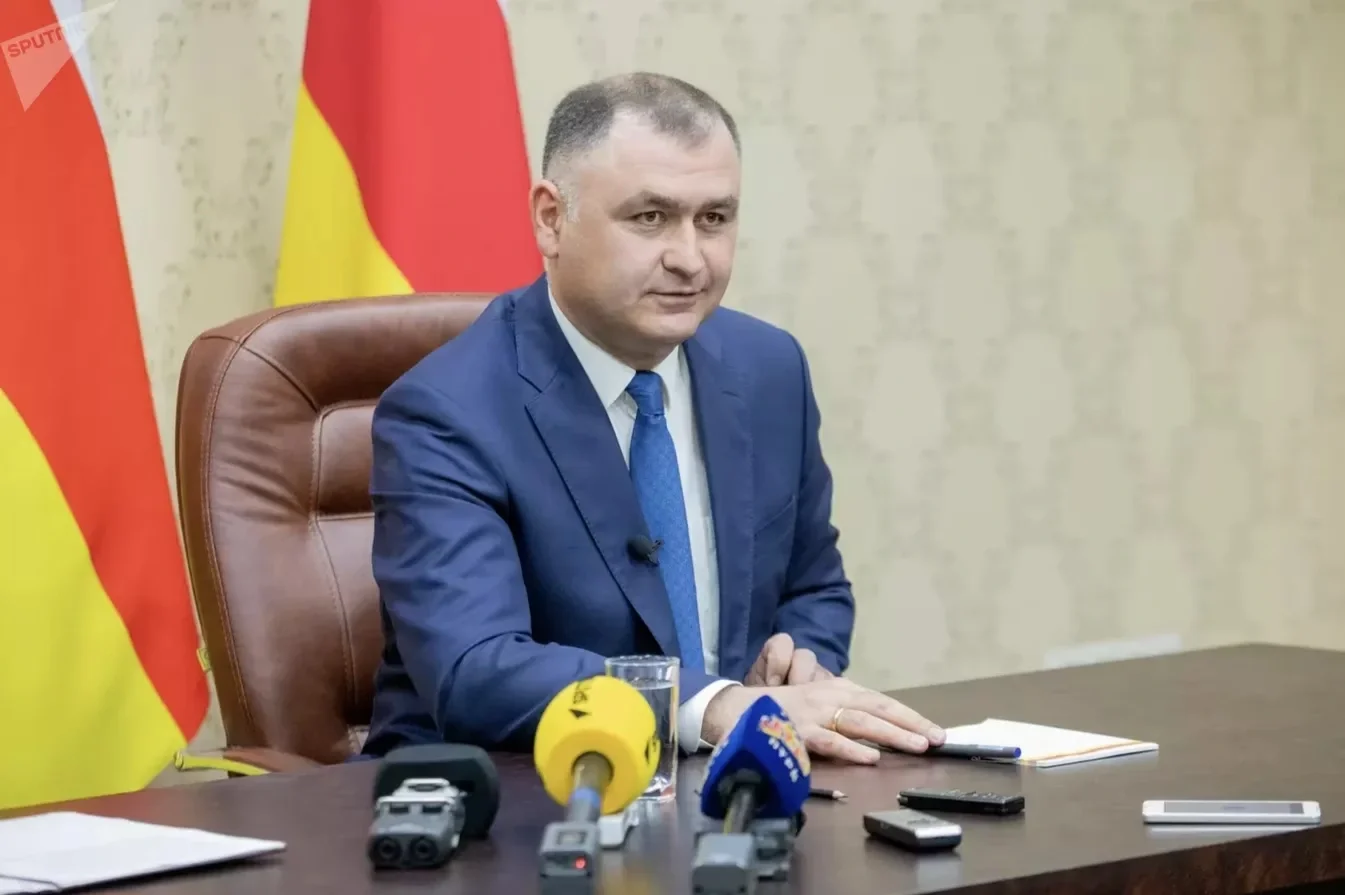
The president of the National Assembly of Venezuela, Jorge Rodríguez, stated that the country will not hold elections in the immediate period and that any future call will be subject to the recovery of political stability and the construction of broad agreements with the opposition. The statements were made during an interview with journalist Rob Schmitt from the U.S. channel Newsmax.
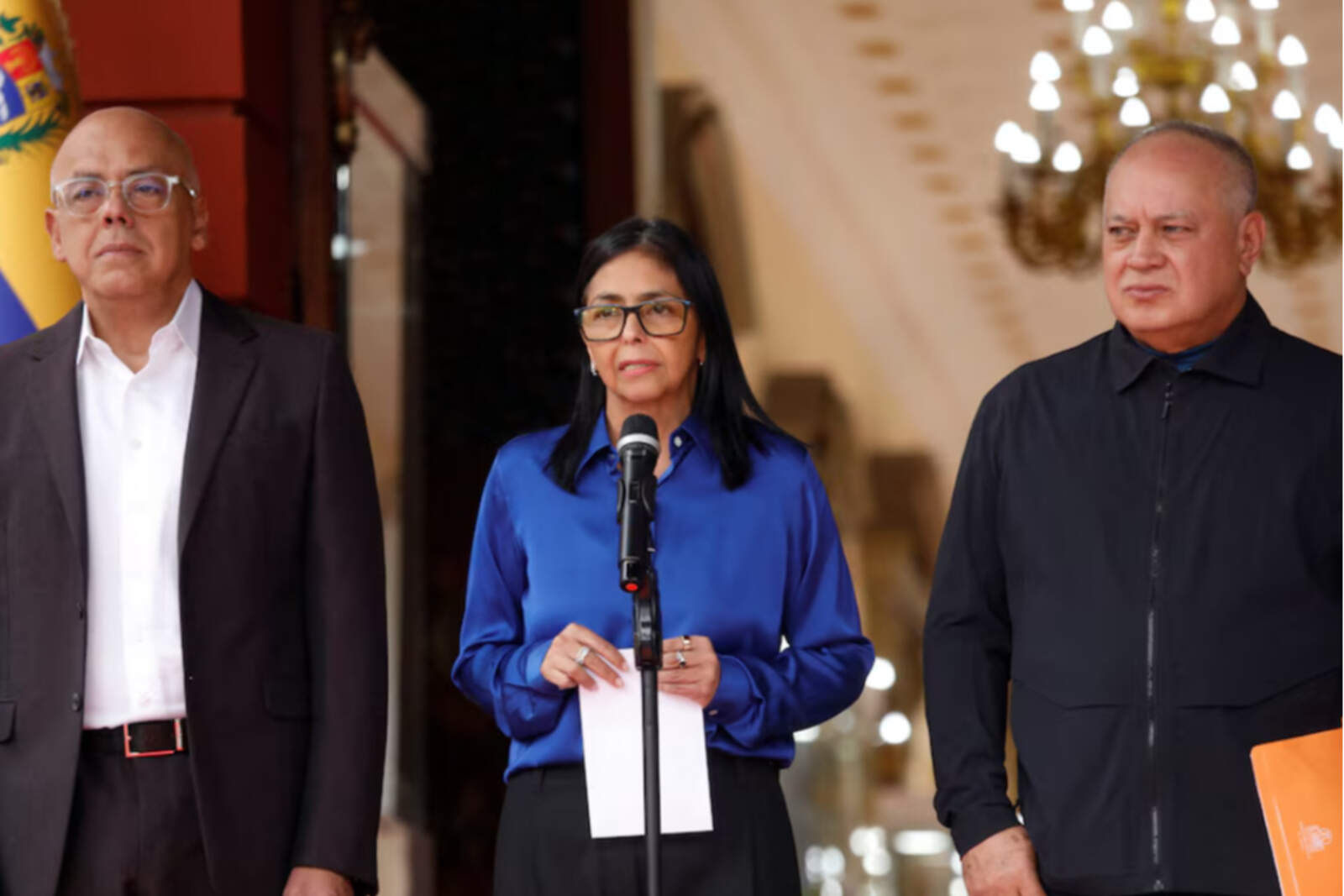
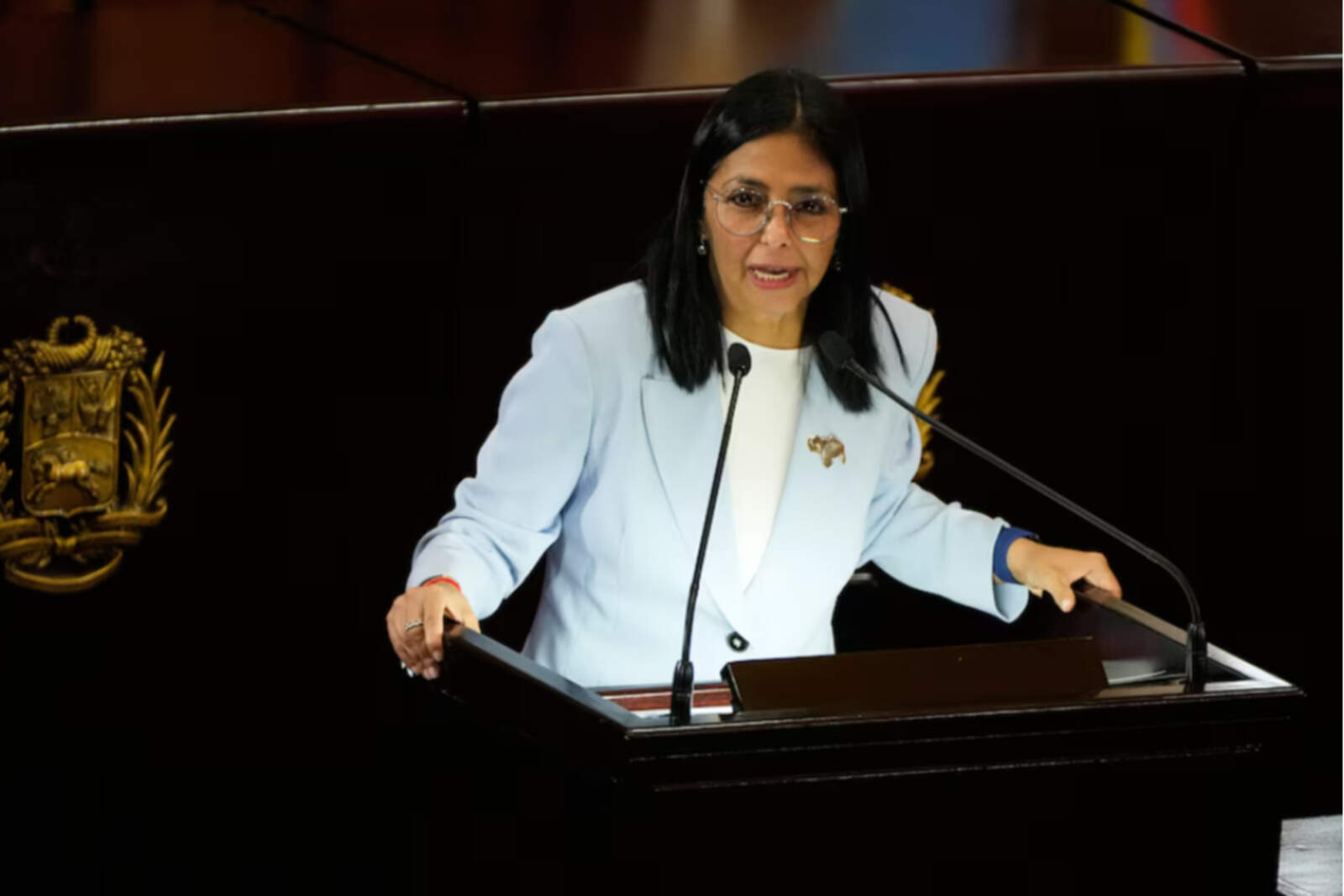
Rodríguez, one of the main spokespeople of Chavismo and brother of Delcy Rodríguez, acting president of the regime, maintained that the priority of the interim government is to restore institutional normality, reduce political polarization, and create conditions for coexistence before moving forward toward a new electoral process.
The political impact after Nicolás Maduro's capture
The statements came just over a month after the capture and transfer of Nicolás Maduro to the United States to face drug trafficking charges, an event that Rodríguez described as "highly traumatic". However, he asserted that the situation was processed by Venezuelan society with "maturity" and that the country is going through a complex but controlled transition stage.
According to his explanation, the interim Executive is working on institutional stabilization while everyday life in Caracas keeps normal levels. When he was asked about the possibility of elections in the short term, he was blunt: "There will not be an election in this immediate period where stabilization must be achieved."
El régimen chavista descarta elecciones en Venezuela hasta lograr estabilidad y acuerdos con la oposición
Rodríguez indicated that only when there is a broad agreement among all political sectors on a consensually accepted timetable and a climate of peace is consolidated will Venezuela be able to return to the polls.
Defense of the 2024 electoral process and Delcy Rodríguez's role
The Chavista leader rejected the idea that this stance implies a recognition of the illegitimacy of the 2024 presidential elections, which were challenged by the opposition, which denounced fraud against its candidate Edmundo González Urrutia. For Rodríguez, the current crisis is the consequence of years of political confrontation and institutional mistrust.
In that context, he defended Delcy Rodríguez's leadership as acting president, maintaining that her appointment is in line with the mechanisms set out in the Venezuelan Constitution. He also revealed that in the talks held with representatives of the U.S. government, including Senator Marco Rubio, one of the central points was the need to guarantee stability and respect for national sovereignty.
Economic shift and opening to the market
The interview also revealed a significant change in the government's economic discourse. Rodríguez admitted mistakes in the implementation of the socialist model, which led to the worst poverty crisis in the country's history, and proposed a reorientation toward market economy schemes, with greater openness to foreign investment.
"Venezuela's interest is to promote health, education, and culture through a free market economy", he stated. In that regard, he detailed that the government is promoting legal reforms to attract capital, especially in the energy sector, with the aim of taking advantage of oil, gas, and gold reserves.
El régimen chavista descarta elecciones en Venezuela hasta lograr estabilidad y acuerdos con la oposición
He also highlighted a recent amendment to oil legislation, approved with the support of pro-government and opposition sectors, which seeks to enable the exploitation of undeveloped fields and facilitate the arrival of companies, particularly U.S. companies. Rodríguez even anticipated an upcoming visit by the U.S. Secretary of Energy to deepen bilateral cooperation.
Political reconciliation and limits of amnesty
On the domestic front, Rodríguez placed the focus on the Amnesty Law promoted by Parliament as the axis of a reconciliation strategy. When he was asked about the possible return of exiled opposition leaders, he avoided referring to specific cases and clarified that the initiative excludes those who, according to the government, promoted acts of violence, calls for foreign intervention, or armed actions.
In conclusion, he maintained that Venezuela is going through a decisive stage and that political stabilization, economic opening, and institutional reconciliation are indispensable conditions for any future electoral process and for the country's reintegration into the international arena.