U.S. military forces intercepted the vessel Aquila II in Indian Ocean waters in a new operation against the oil fleet linked to the Venezuelan regime
Nuevo
Agregar La Derecha Diario en
Compartir:
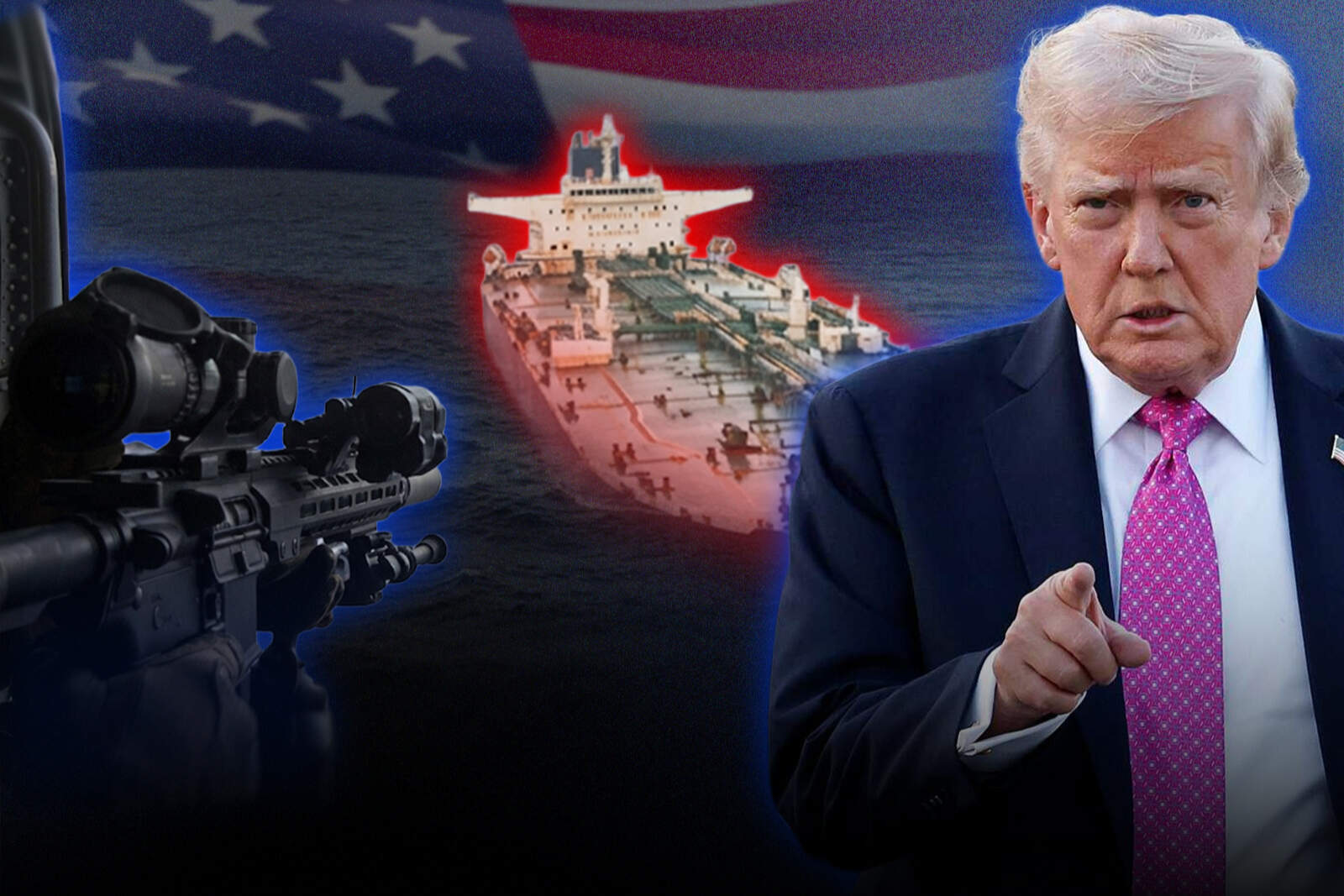
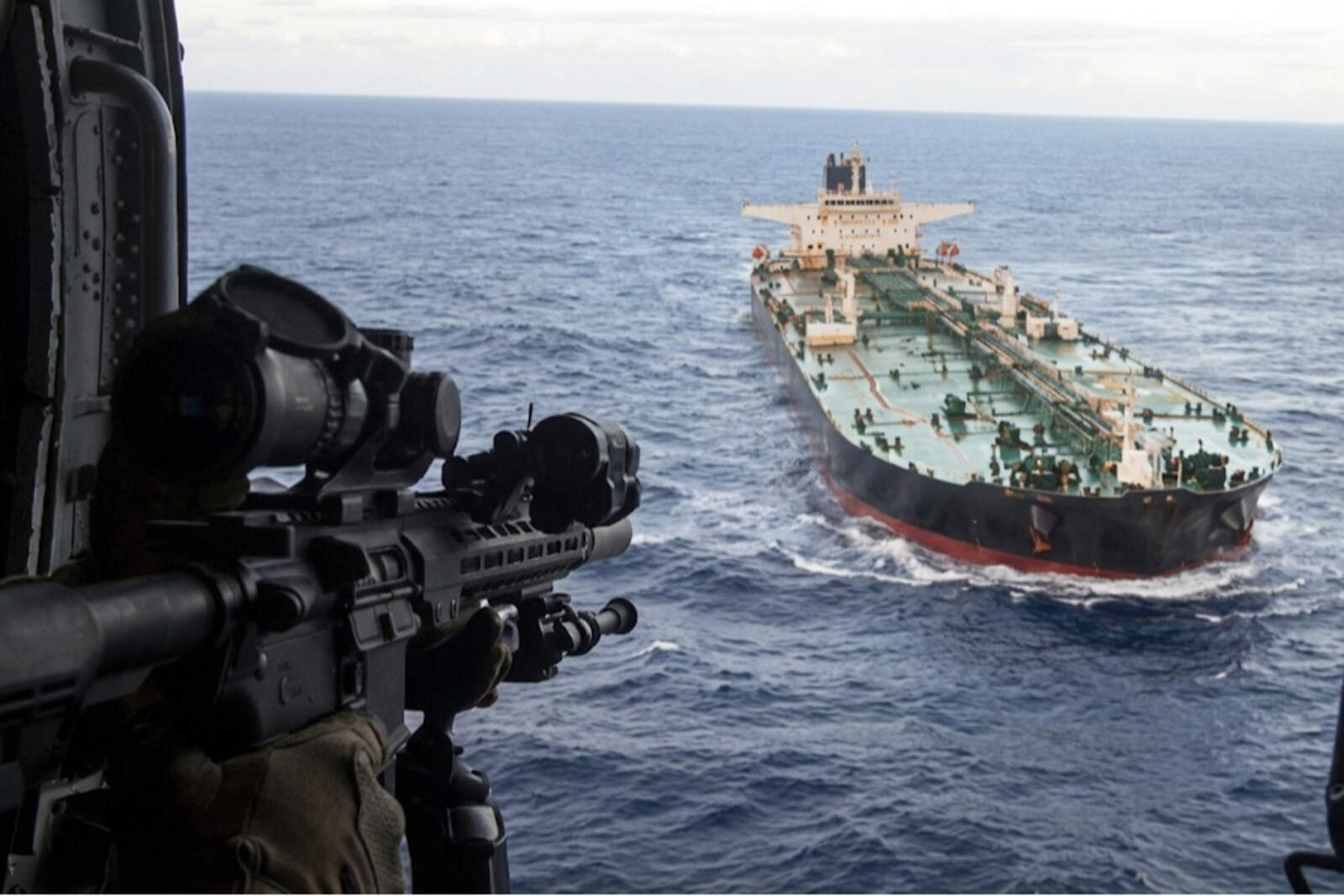
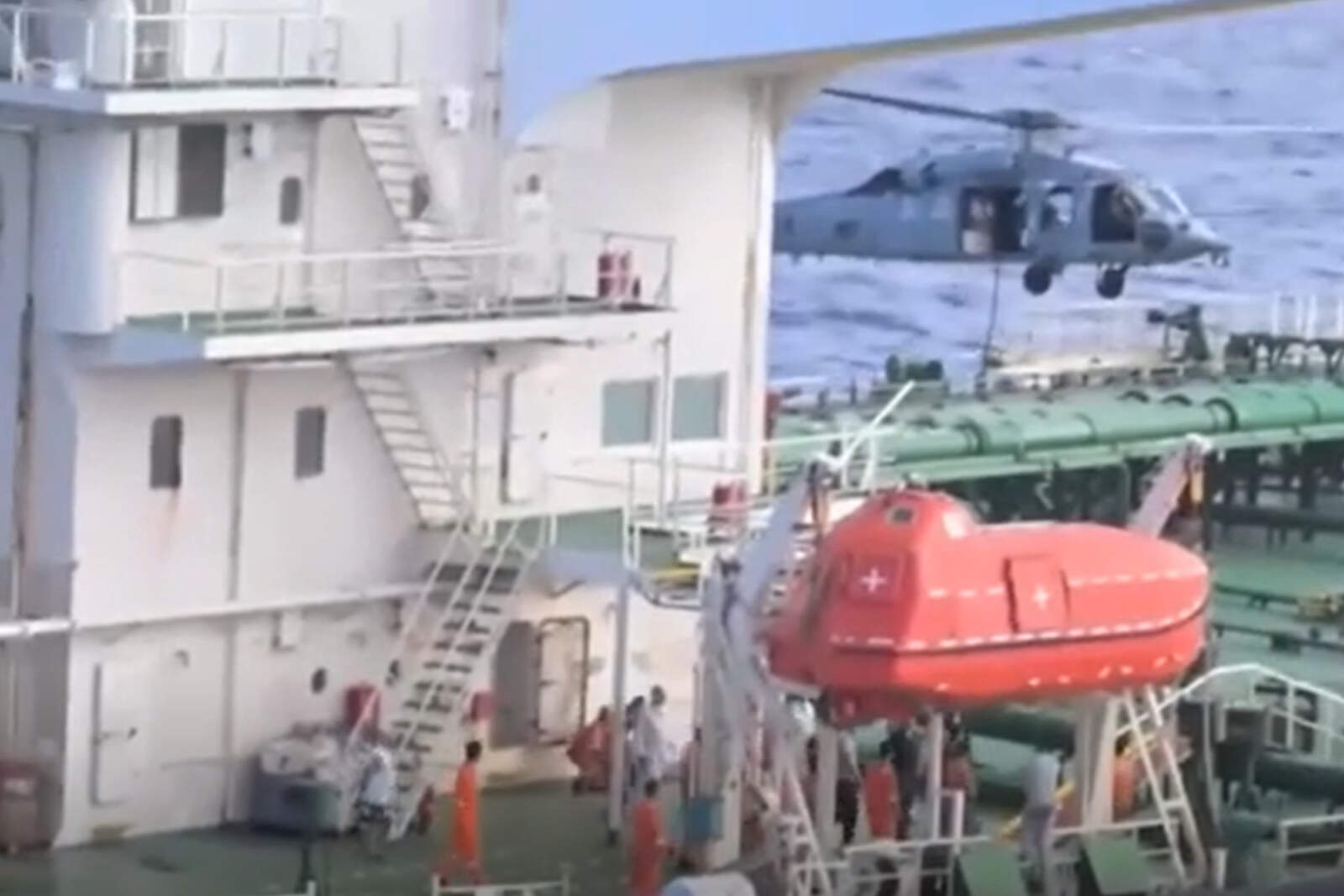
United States Armed Forces boarded the tanker Aquila II, a vessel linked to Venezuela, during an operation carried out in the Indian Ocean and officially announced on February 9 by the U.S. Secretary of Defense. The images released by the Pentagon show the deployment in broad daylight, which reinforces the hypothesis that the reported time correplied to the United States time zone.
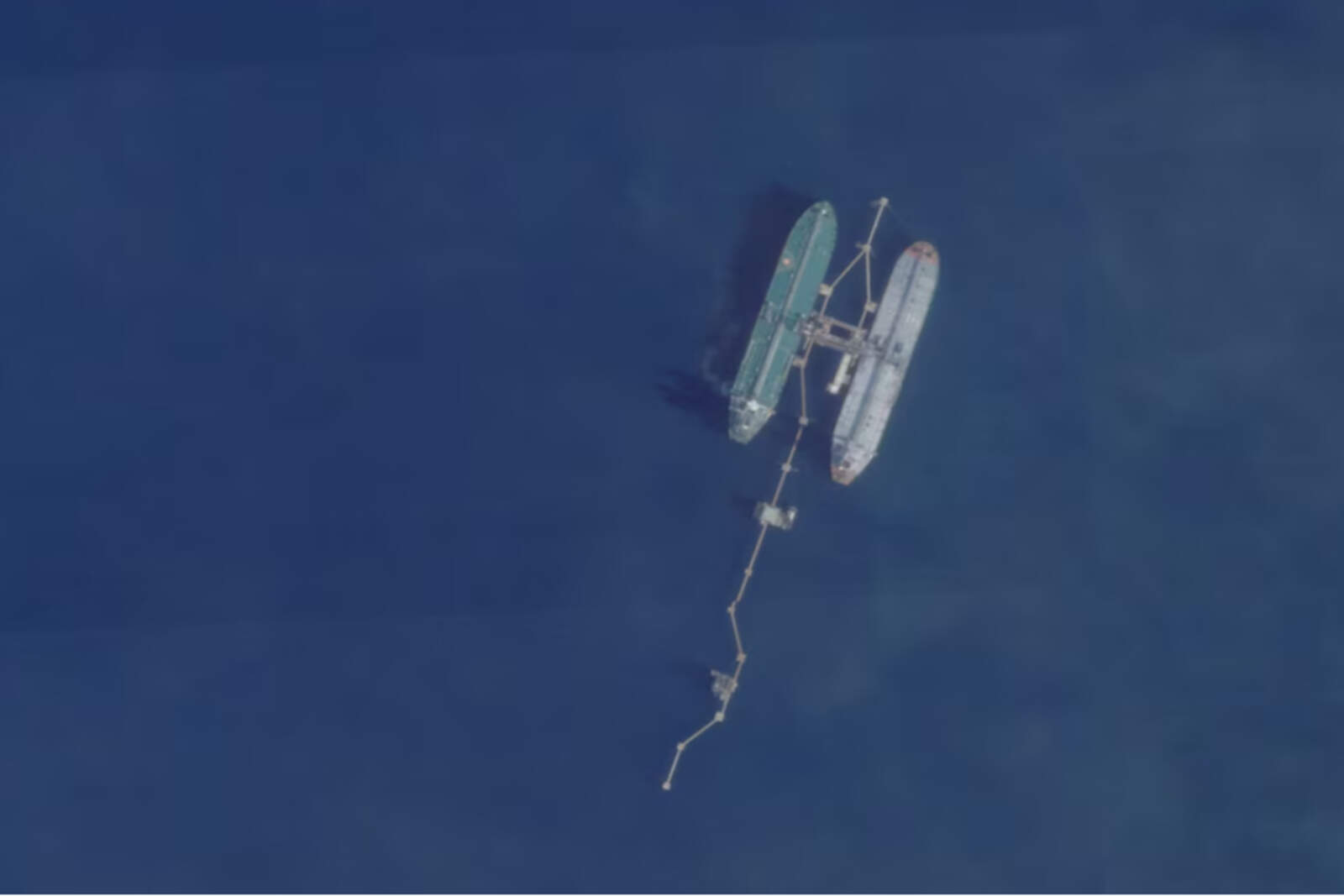
The ship's positioning data confirmed its presence in Indian Ocean waters, while sources from the Department of Defense indicated that the vessel had been tracked from the Caribbean, following a typical evasion pattern used by vessels associated with Petróleos de Venezuela S.A. (PDVSA).
An operation without incidents and with a political message
The official message published on the social network X detailed that U.S. forces executed a right of visit, maritime interdiction and boarding without incident, within the area of responsibility of the Indo-Pacific Command (INDOPACOM).
According to the Pentagon, Aquila II was operating in direct defiance of the quarantine imposed on sanctioned vessels that attempt to evade international controls. After maneuvers to avoid pursuit, the tanker was finally intercepted by U.S. military units.
Estados Unidos tomó control de un petrolero vinculado a Venezuela en el Océano Índico
The statement included a forceful definition of United States military power: “No other nation on planet Earth has the ability to impose its will in any domain. By land, air or sea, our Armed Forces will find you and deliver justice.”
Growing pressure on the Venezuelan oil fleet
Since late 2025 and during the first months of 2026, the United States has intensified interception and boarding operations of oil tankers linked to PDVSA. This policy is part of a comprehensive pressure strategy on the Venezuelan regime, with two central pillars:
The persecution of the so-called “dark fleet” used to export oil while evading sanctions
Operations against maritime drug-trafficking networks in the Caribbean and the Atlantic
Washington keeps that these vessels violate international regulations, sail under flags of convenience, switch off transponders and deliberately conceal their origin and destination.
Estados Unidos tomó control de un petrolero vinculado a Venezuela en el Océano Índico
Recent precedents and regional escalation
In December 2025, already under Donald Trump's new administration, the United States seized the ship Skipper after its departure from Venezuela, considering that it was part of a network intended to finance illicit activities. The Venezuelan regime described the incident as “international piracy.”
On January 7, 2026, U.S. forces carried out simultaneous operations in the North Atlantic and the Caribbean to seize two other tankers. One of them, Bella 1, renamed Marinera, attempted to evade boarding by changing its flag to that of Russia. Even with the presence of a Russian submarine in the area, the United States proceeded with the interdiction after obtaining court orders.
Estados Unidos tomó control de un petrolero vinculado a Venezuela en el Océano Índico
Operations against drug trafficking and global maritime control
In parallel, the U.S. military deployment extended to lethal operations against drug-smuggling speedboats, with the use of aircraft carriers, destroyers and F-35 fighters. The Department of Defense reaffirmed that the policy of total strangulation of illicit oil exports and illegal maritime traffic will continue.
For Washington, this is about defending the international order, guaranteeing maritime security and cutting off the sources of financing for regimes and criminal networks, a strategy that reinforces the United States' global leadership and the alignment of Western governments in the face of parallel and authoritarian economies.