United States Energy Secretary Chris Wright will travel to Venezuela to open negotiations regarding the state-owned oil company PDVSA
Nuevo
Agregar La Derecha Diario en
Compartir:
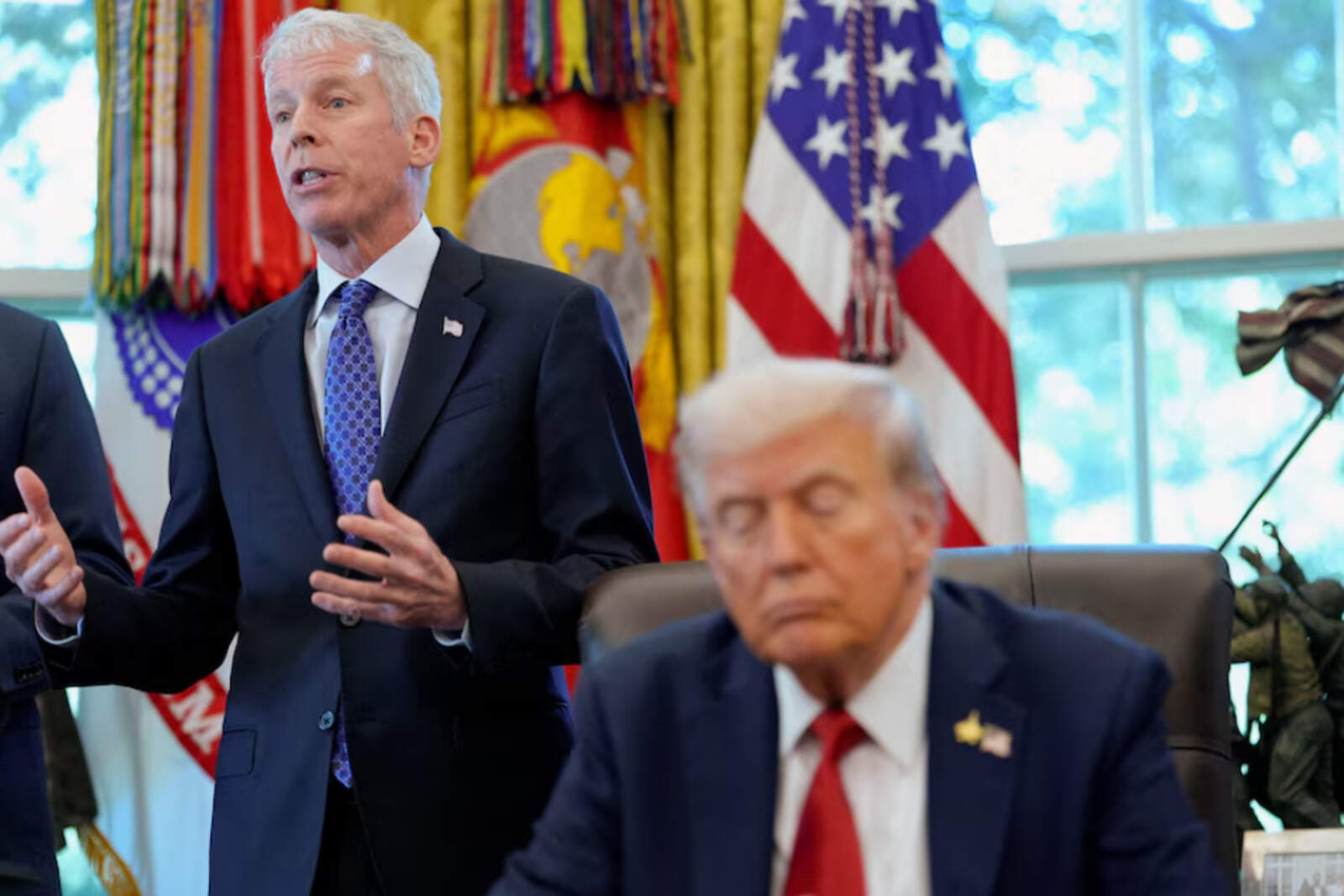
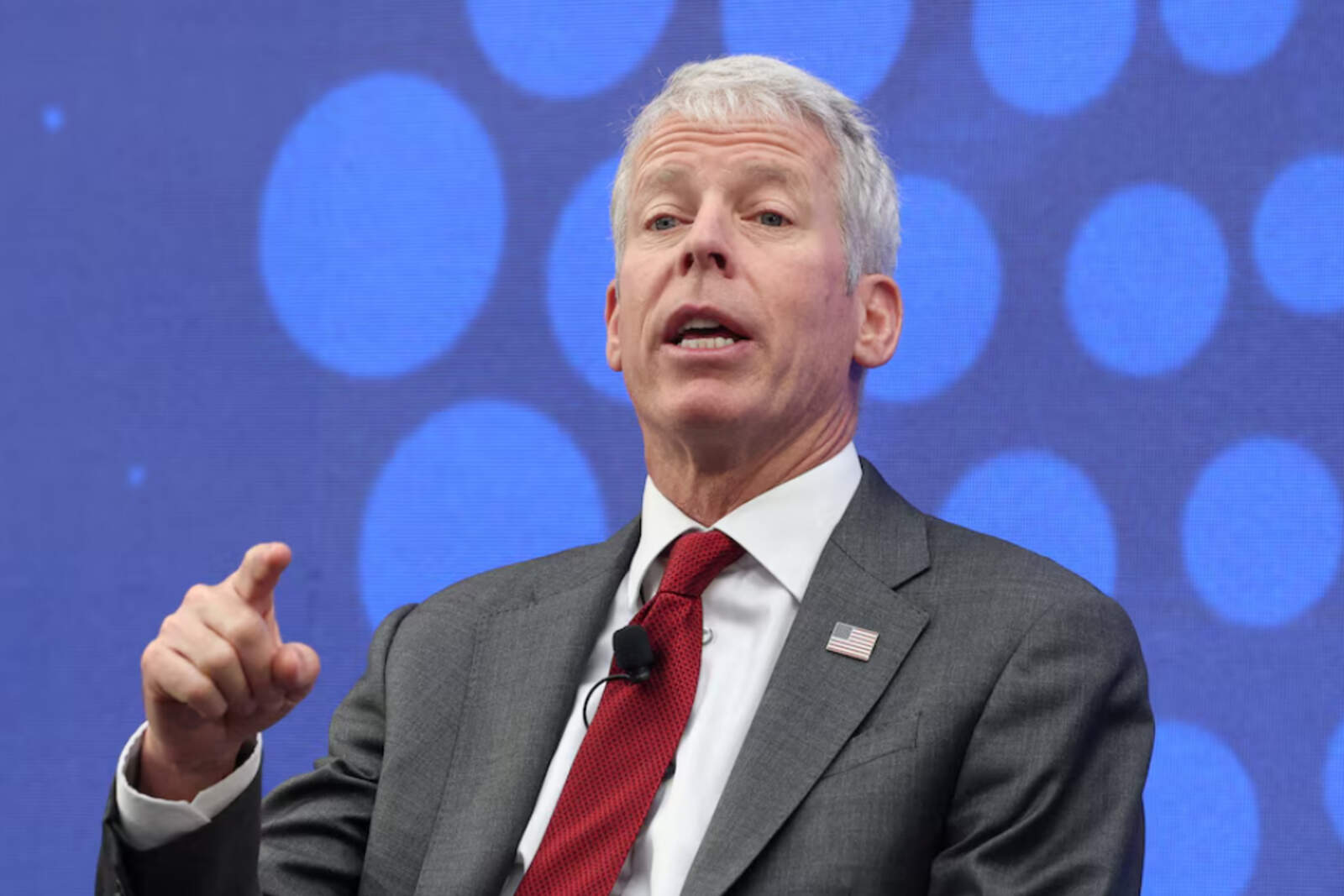
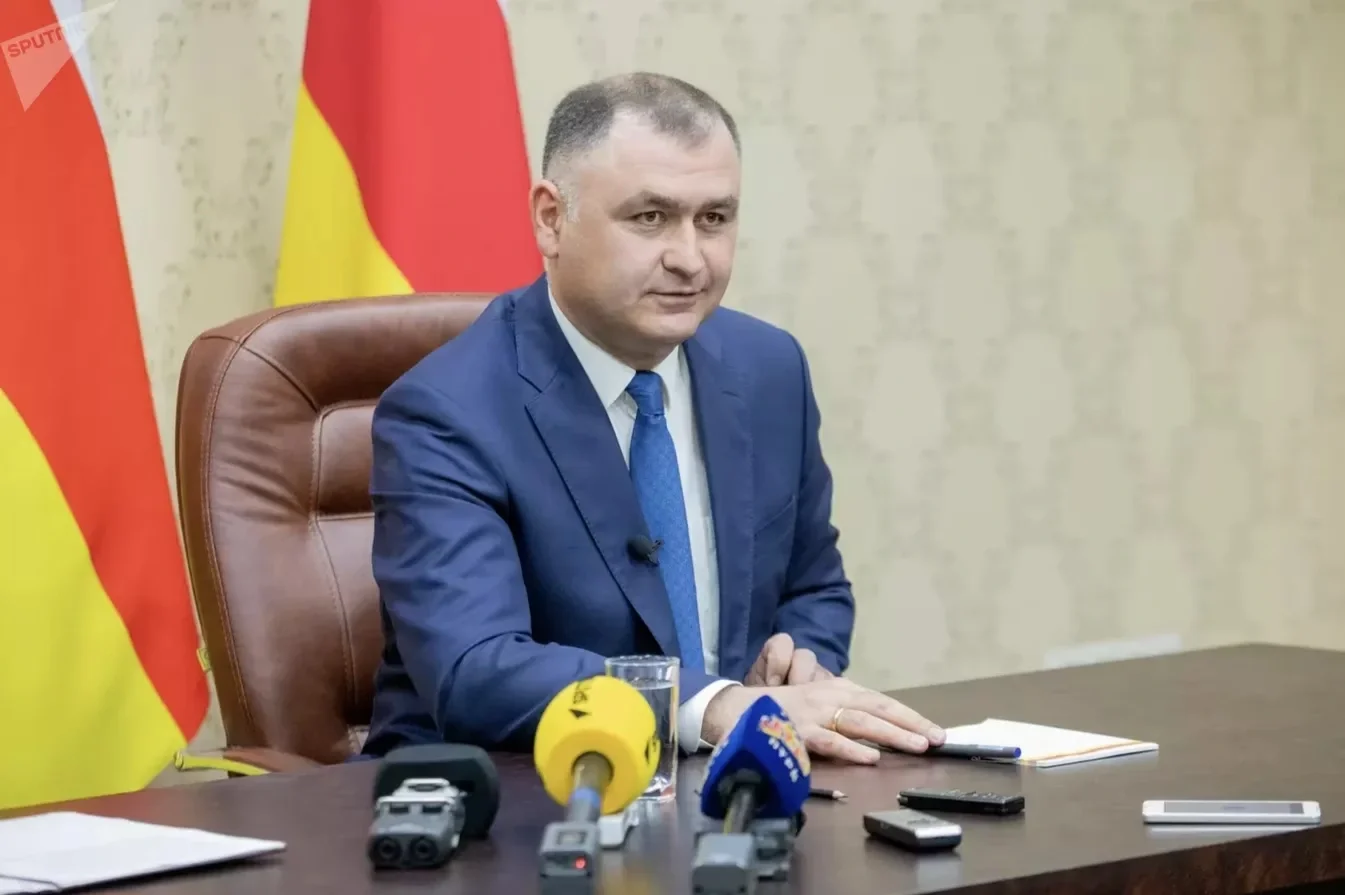
United States Energy Secretary Chris Wright confirmed that he will make an official visit to Venezuela in the coming days in order to begin a direct dialogue with the interim authorities about the future of Petróleos de Venezuela S.A. (PDVSA). The tour will mark the first formal high-level approach since the capture of dictator Nicolás Maduro and is part of Donald Trump's administration strategy to stabilize the region and rebuild the Venezuelan energy sector.
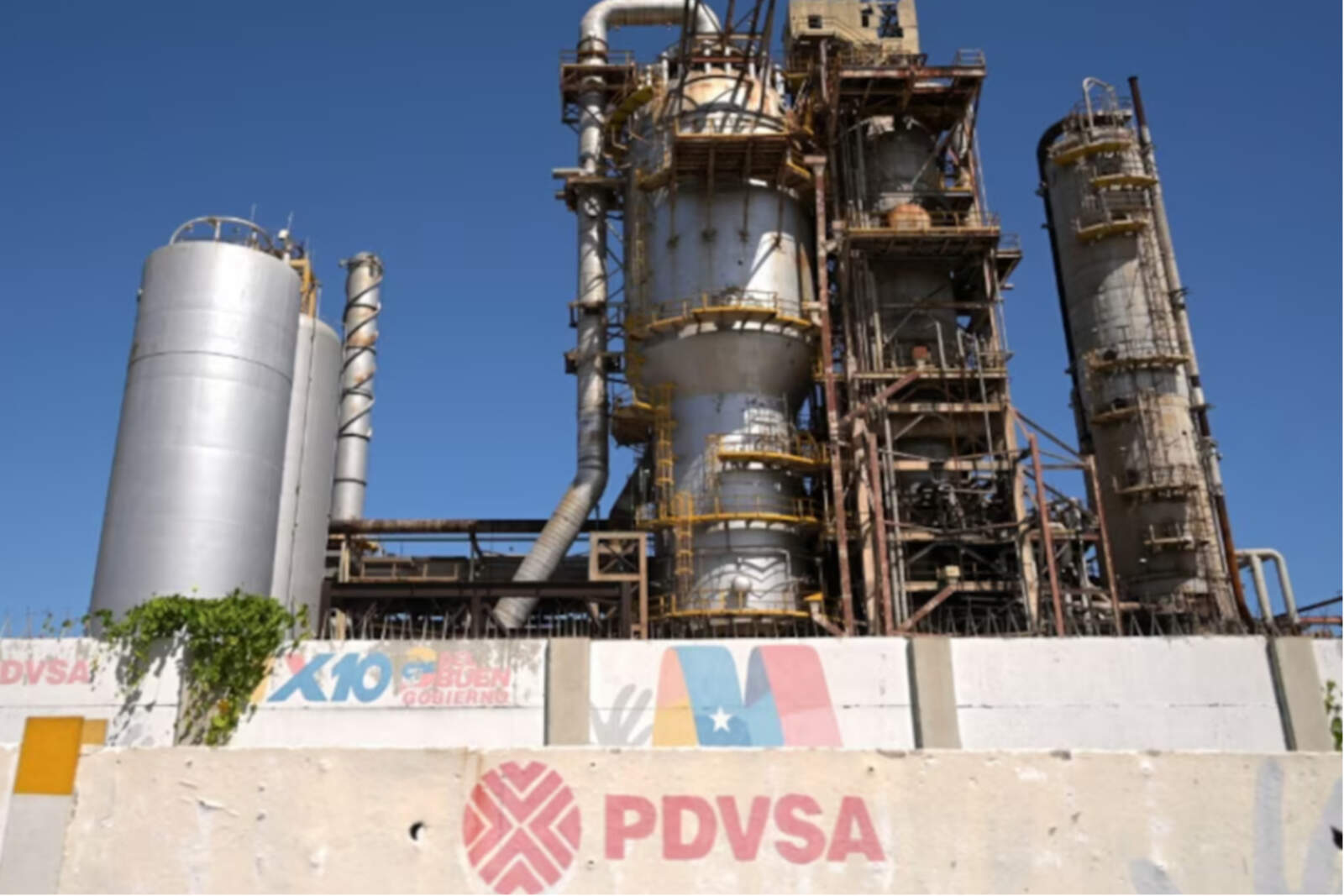
In statements to the outlet Politico, Wright maintained that PDVSA was a "highly professional and technically competent" company decades ago, but he warned that years of corruption, mismanagement, and politicization destroyed its operating capacity, turning it into an obstacle to international investment.
Key meetings and assessment of PDVSA
During his stay, Wright plans to meet with interim president Delcy Rodríguez and to visit some of the country's main oil fields. The U.S. official emphasized that the priority is not immediate access to Venezuelan crude, but to solve a geopolitical problem derived from the country's chronic instability.
Estados Unidos prepara una visita a Venezuela para iniciar un diálogo sobre el futuro de PDVSA
As he explained, the decision to remove Maduro did not respond to an energy need, but to the threat that Venezuela's collapse posed to the Western Hemisphere, especially to neighboring countries.
Sanctions, production decline, and drop in crude prices
In December, PDVSA was forced to cut the price of its oil due to quality problems and existing sanctions, offering discounts compared with Brent crude that doubled those of a year earlier. Wright acknowledged that the state oil company faces deep structural challenges, including:
Lack of transparency
Endemic corruption
Infrastructure deterioration
Restrictions for foreign partners
Historically, international companies were required to partner with PDVSA, a condition that drove away investment and accelerated the production collapse.
Legal reforms and demands for guarantees
The Energy Secretary praised the legal reforms recently approved by the interim government, which allow foreign companies greater control over their operations and cash flow. He defined these measures as "a positive gesture" to begin a new bilateral relationship.
However, he warned that investors require additional guarantees, such as:
Clear definition of property rights
Legal security over assets
Impartial dispute resolution mechanisms
Estados Unidos prepara una visita a Venezuela para iniciar un diálogo sobre el futuro de PDVSA
In the same vein, Secretary of State Marco Rubio pointed out that the current progress "is not enough" to guarantee a full opening of the sector.
Elections, political transition, and domestic pressure in the U.S.
Wright expressed his expectation that Venezuela will hold democratic elections within 18 to 24 months, and he stressed that the reconstruction of the oil sector will be key to sustaining the political transition.
The U.S. initiative caused criticism in Congress and among oil and gas producers in the United States, who are concerned about a possible increase in global supply. In the face of these questions, Wright was categorical: competition drives innovation and strengthens U.S. industry.
Energy, prices, and Trump's agenda
Former CEO of Liberty Energy, Wright is one of the central figures in the Trump administration on energy matters. He defended the strategy of increasing national and international production to keep prices low and to support economic growth, in contrast with the policies of the Biden era, which he blamed for the rise in energy costs.
Moreover, he highlighted the push for nuclear energy, particularly small modular reactors, which he defined as a key tool to supply growing industrial demand.