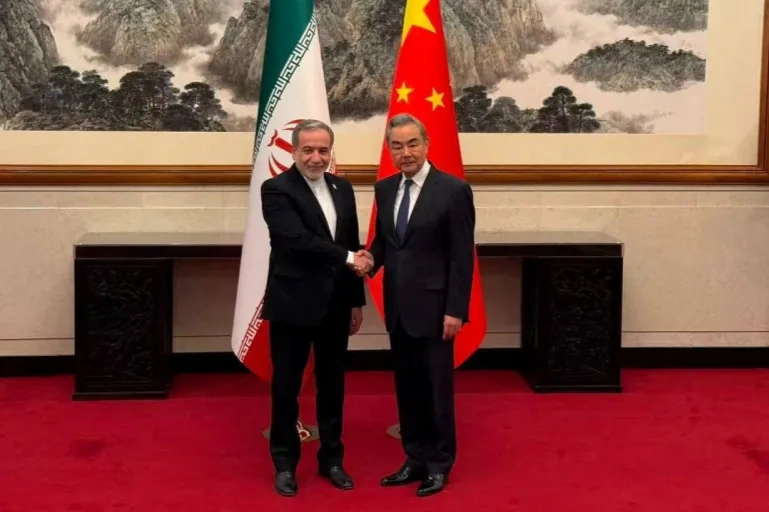

China called for the reopening “as soon as possible” of the Strait of Hormuz, one of the most important maritime routes in world energy trade, in the midst of the war involving Iran and the increased tensions with the United States. The call was made by the Chinese Foreign Minister, Wang Yi, during a meeting in Beijing with his Iranian counterpart, Abbas
Araqchi.The meeting came at a critical time, with the strait partially blocked by military operations and restrictions attributed to both Iran and the United States. The situation has generated international concern over the risk of interrupting the global supply of oil, since a significant part of the world's crude oil transits through this route
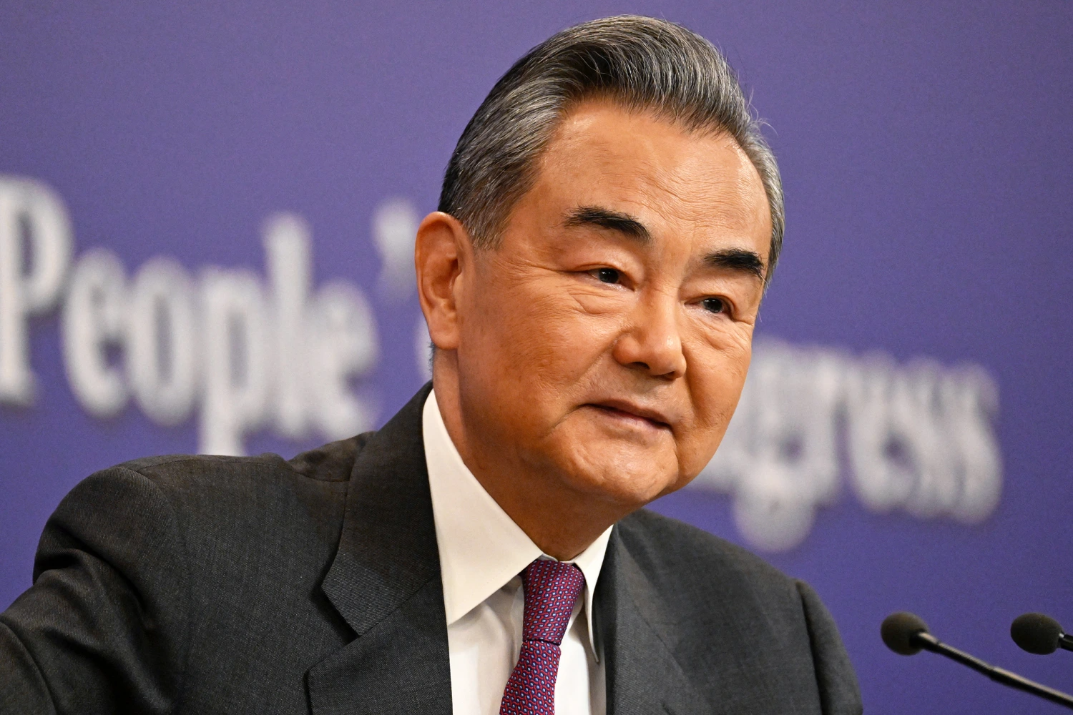
.During the meeting, Wang Yi stressed that the immediate priority must be to achieve a stable ceasefire and prevent a further escalation of the conflict. According to the Chinese foreign minister, “resuming hostilities would be even more undesirable” than the current situation of tension, so he insisted on the need to resume dialogue between the opposing parties. Beijing, he added, is willing to contribute to diplomatic de-escalation
.
However, China's position has raised questions at the international level. Although the Chinese government presents itself as a neutral mediator, its close economic relationship with Iran and its heavy dependence on oil passing through the region have raised doubts about the impartiality of its intervention. In 2025, China imported approximately 1.38 million barrels a day of Iranian oil, representing about 12% of its total crude oil imports
.This energy dependence has led Western critics to point out that Chinese foreign policy in this conflict would be guided more by strategic interests than by a real intention of mediation. In particular, its opposition to the US naval presence in the area has been interpreted as a position indirectly aligned with Tehran