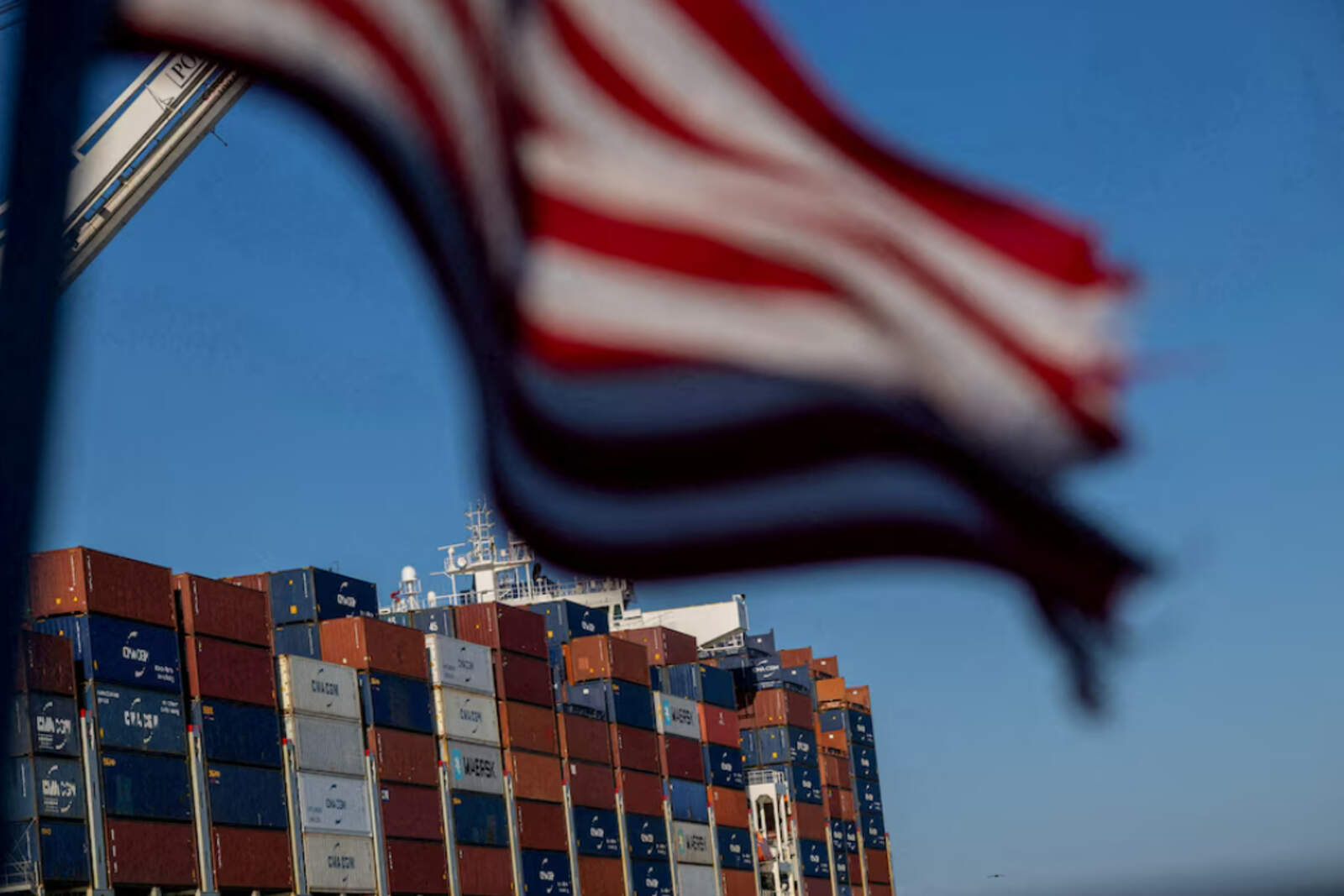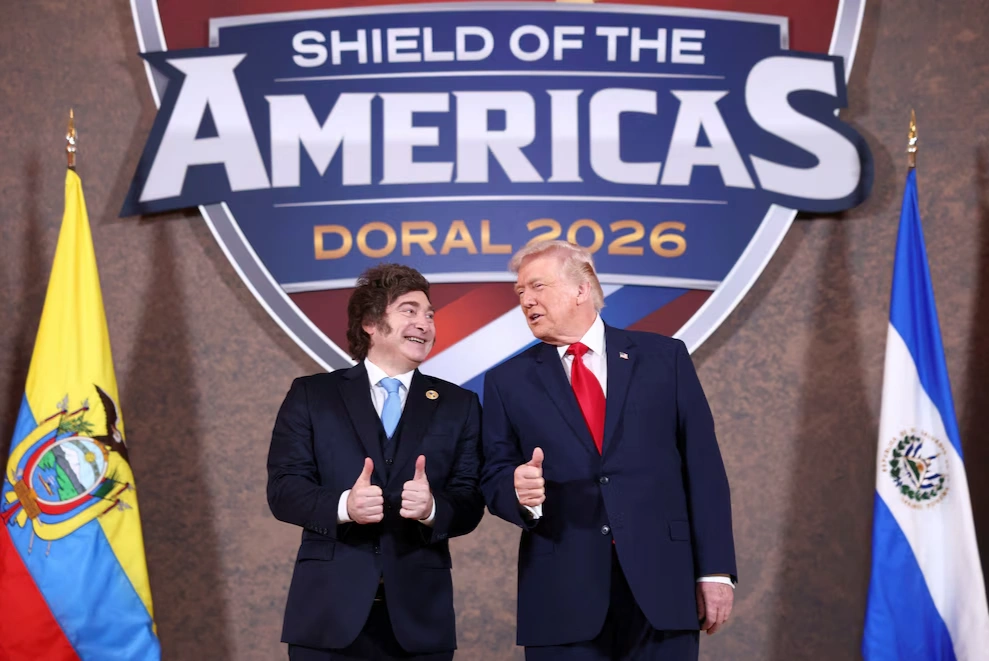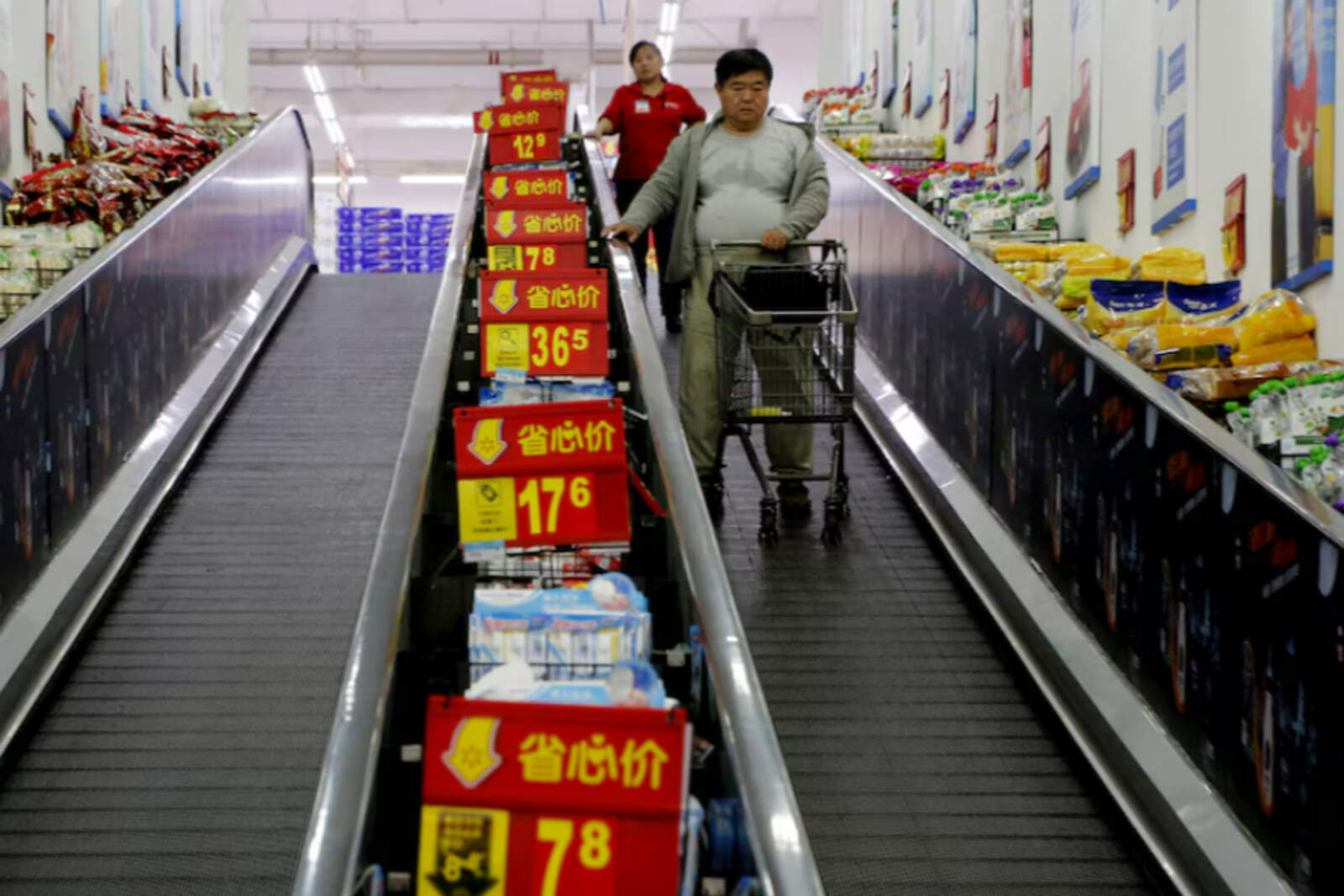

The Chinese economy slowed down again and grew by just 4.8% year-on-year between July and September, according to official data released by the National Bureau of Statistics. This is the lowest rate in a year and reflects the combination of factors impacting the Asian giant: the real estate crisis, the decline in domestic consumption, and trade tensions with the United States.
China aims to close 2025 with growth close to 5%, although the target seems increasingly ambitious. "The market thought China wouldn't reach its target, no matter what happened. Even with stimulus, it was going to be below 5%," said Dan Wang, China director at Eurasia Group, in statements reproduced by Infobae.
The weakness of the real estate market remains the main obstacle. Oversupply, indebted construction companies, and a lack of consumer confidence have paralyzed the sector, which accounts for nearly a quarter of China's GDP. Added to this is a sustained decline in retail consumption and a deflationary climate that reflects stagnation in purchasing power.
Despite the slowdown, Xi Jinping 's government insists on sustaining growth through public investment and credit expansion. According to Tianchen Xu, senior economist at Economist Intelligence Unit in Beijing, "the fourth quarter will be structurally different, with a lot of investment and little consumption. After all, negative investment growth is not something economic leaders want to see."