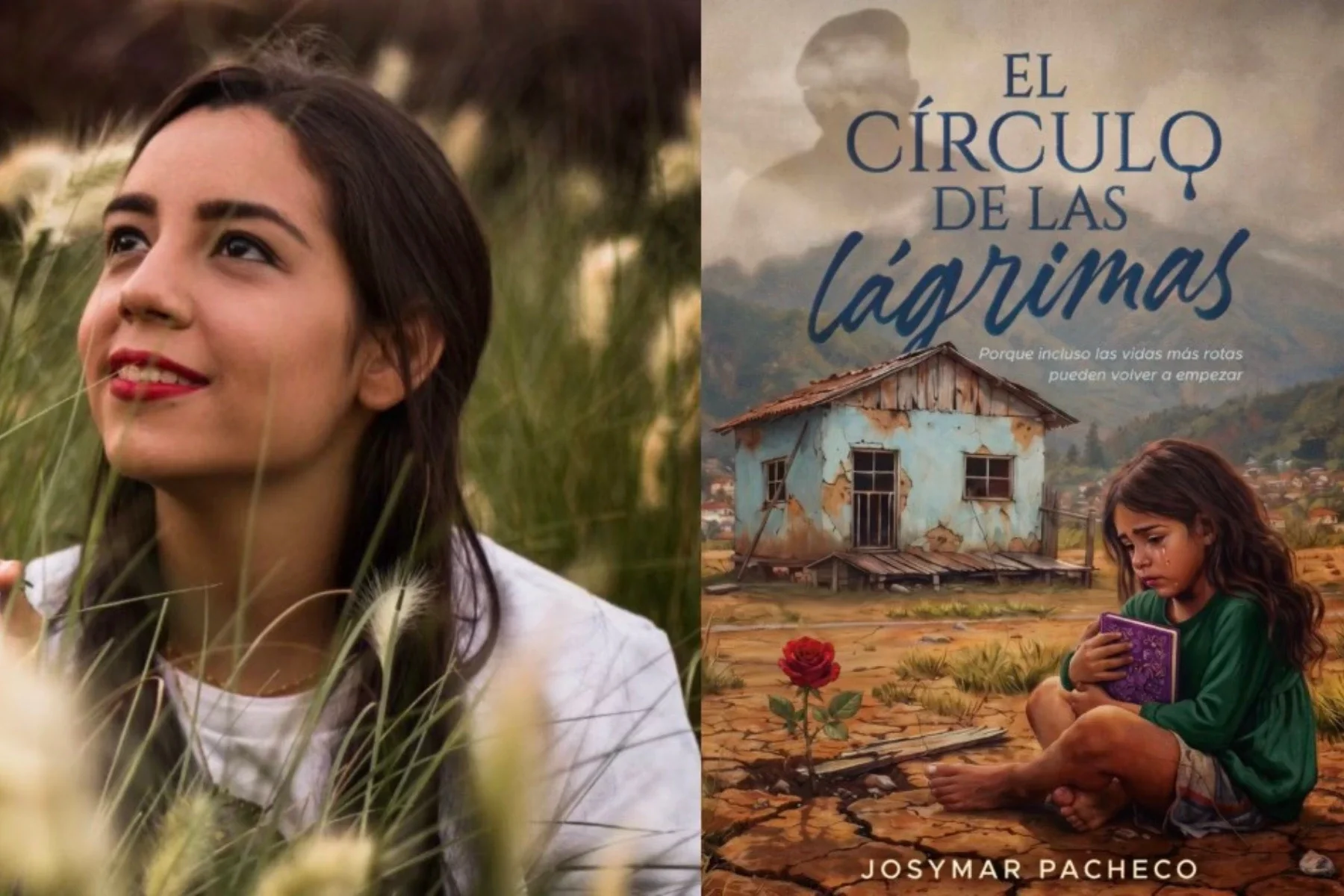
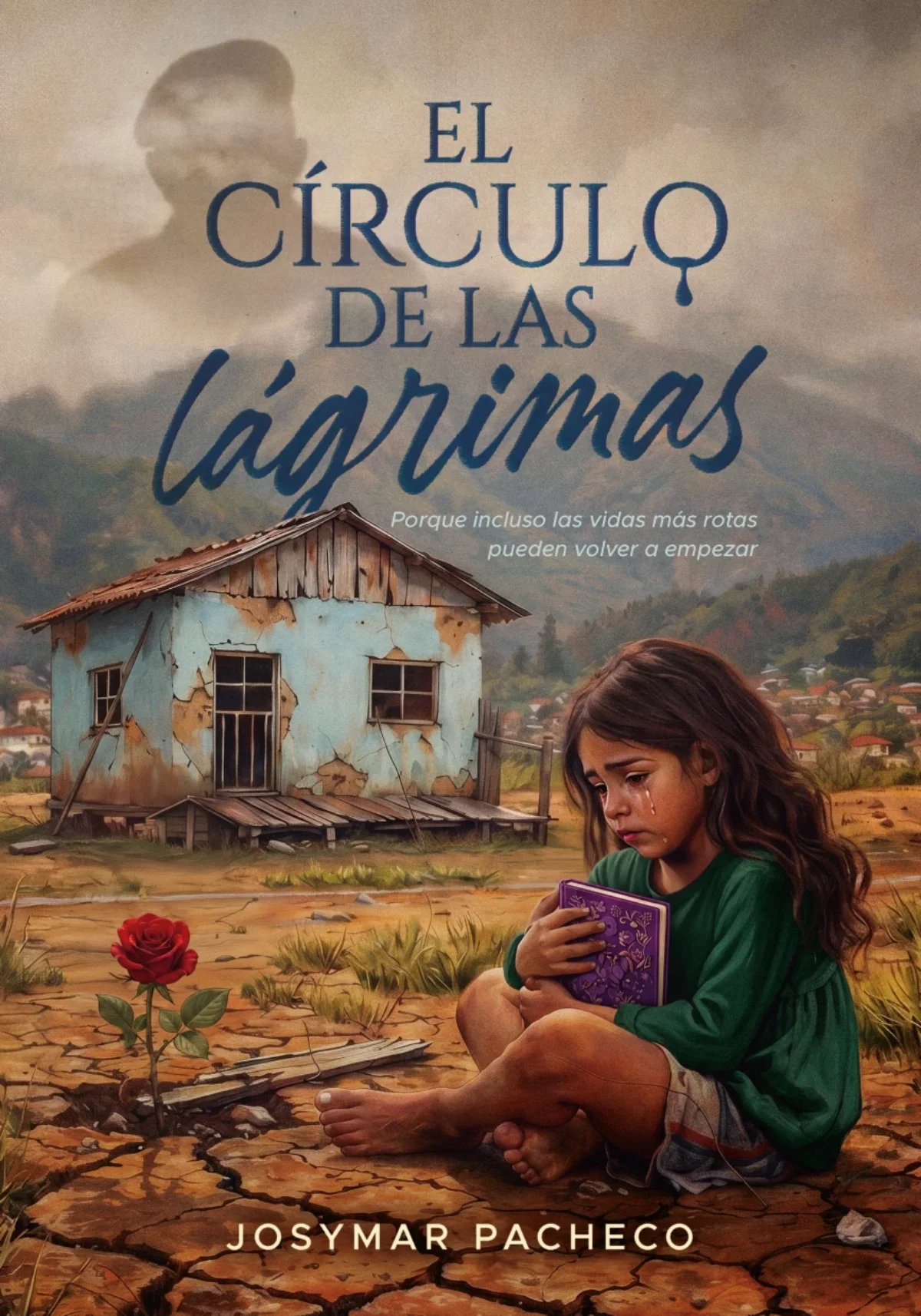
Venezuelan writer Josymar Pacheco presents The Circle of Tears, a novel that combines fiction, family drama, and historical events to portray how the political and social changes in Venezuela impacted the lives of an entire generation
The novel follows the life of Rosa, a young woman who faces various family and personal conflicts within a Venezuela transformed by the political changes of those years.
“The novel does not attempt to tell who Hugo Chávez was, but rather how the major events of a country end up impacting the lives of people”, she explains.
The debate about the Bolivarian Revolution
During the interview, Pacheco also reflects on the image that Hugo Chávez had for years in various political sectors of the West.
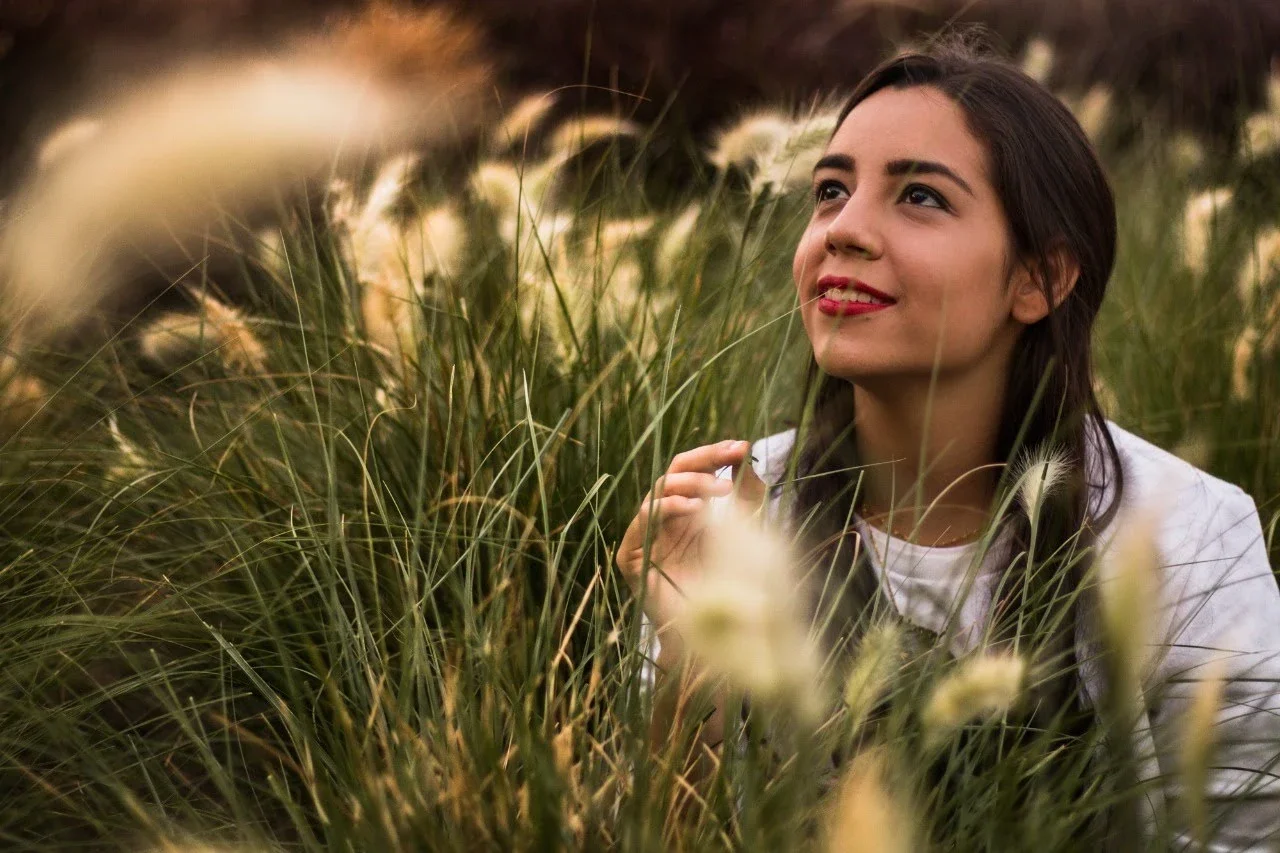
The Venezuelan writer Josymar Pacheco arrived in Argentina after going through a long migration process that began in Venezuela and continued in Panama before settling permanently in the country. That personal experience, marked by family distance, political changes, and the search for new opportunities, ultimately became the seed of her first novel, The Circle of Tears.
The work addresses universal themes such as personal growth, emotional wounds, family, love, and resilience, but does so within a specific historical context: Venezuela under Hugo Chávez from 1998 to 2014. Although it is a work of fiction, the author acknowledges that many of the experiences and reflections present in the story stem from what she lived during those years.
“I felt like I was drowning in Venezuela”
Pacheco explains that she made the decision to leave Venezuela in 2014, when she was just 20 years old and close to finishing her degree in Architecture. As she recounts, she was worried about the growing insecurity, inflation, and loss of opportunities within the country.
“I felt that if I stayed, I wouldn't be able to leave later”, she recalls when explaining the reasons that led her to emigrate first to Panama and then to Argentina. Over the years, much of her family also left Venezuela, although to different destinations.
"I felt like I was drowning in Venezuela"
The origin of the novel
The author shares that the idea of writing emerged in 2017, while she was taking the CBC of Philosophy and Letters at the University of Buenos Aires. There, she began to hear political debates about Venezuela and Cuba that, as she explains, often differed from the reality she had personally experienced.
This situation awakened in her the need to tell a story that reflected a different perspective on Venezuela. However, she clarifies that she never wanted to write an autobiography or a political essay.
“I wanted to write a novel that reflected the emotional wounds that can be experienced, the different types of violence that can be endured, and a part of the Venezuela that I knew”, she asserts.
Chávez as context, not as protagonist
One of the most striking aspects of the work is the presence of Hugo Chávez on the cover. However, Pacheco clarifies that the former Venezuelan president is not the protagonist of the story.
The writer believes that there was an idealized vision of the Bolivarian Revolution that began to deteriorate as the economic crisis, mass exodus, and institutional decline became impossible to ignore.
“When we talk about Venezuela, we are not only talking about politics, but also about millions of lives that were affected by decisions made over the years”, she states.
A story that goes beyond Venezuela
A story that goes beyond Venezuela
Although the plot is set in Venezuela, the author maintains that the book is not exclusively aimed at Venezuelan readers.
As she explains, The Circle of Tears addresses human experiences that can resonate with anyone: uprooting, love, mistakes, personal reconstruction, and the search for a better future.
For Pacheco, the novel represents an opportunity to bring readers a different perspective on Venezuela's recent history, but also to reflect on how political decisions end up affecting the daily lives of millions of people.
The Circle of Tears can be purchased through Tinta Libre or by direct contact with the author via her social media.