With technical support from UNC, the municipality seeks to boost the local industry and create jobs in the fruit sector
Nuevo
Agregar La Derecha Diario en
Compartir:
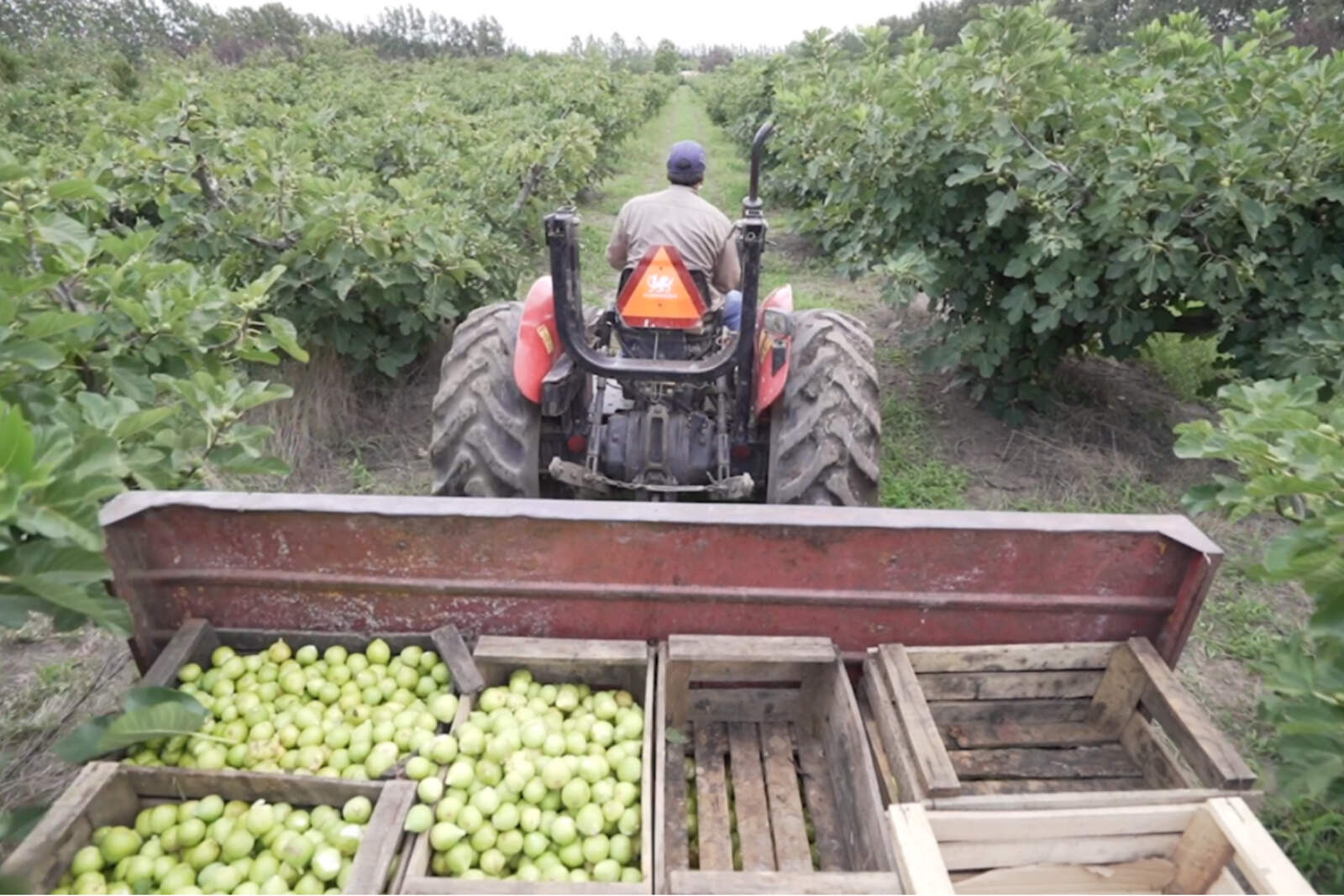
Colonia Caroya is moving forward with the "Higos 2030" program, an initiative that aims to position the city as the country's main producer of this fruit. The project includes the planting of 5,000 plants per year and technical support from the Faculty of Agricultural Sciences at the UNC. With this plan, the city expects to consolidate a production and value-added hub that will boost the local economy.
The municipal Chief of Staff, César Seculini, explained that figs have great potential for consumption and export both in the country and abroad. He stated that "fig jam is the second most popular among Argentinians, only behind dulce de leche." In this regard, he emphasized that the program seeks to transform primary production into a driver of employment and regional development.
The agreement signed with the UNC guarantees ongoing technical assistance and specialized monitoring of the new plantations. According to the municipality, this collaboration will make it possible to optimize cultivation techniques and ensure sustainable resource management. The agreement also provides for training for local producers and the promotion of water and energy efficiency practices.
El proyecto contempla la plantación de 5.000 plantas de higo por año
Production outlook and job creation
Through joint work with the Colonia Vicente Agüero Rooting Chamber, the municipality will distribute thousands of plants annually to interested producers. This action will make it possible to incorporate idle rural land and energize the economic activity of the northern provincial corridor. The project also aims to strengthen Caroya's productive identity and diversify its agricultural matrix.
The Dean of Agronomy, Omar Dutto, assured that "growth is possible if there is a strong commitment from producers, the municipality, and the technicians who will be in charge of the project." In this sense, public-private coordination will be key to sustaining the program's outlook. Meanwhile, the UNC will support the development of studies on profitability, environmental impact, and export potential.
A fig plant takes about three years to begin producing, but its useful life is long and it requires less maintenance than other crops. This makes it a profitable and low environmental impact alternative for local producers. With the installation of new industries to produce jams, preserves, and dried figs, the city will position itself as a national reference in the fruit sector.