









In an election that shook the city's political landscape, State Assemblyman Zohran Mamdani achieved a stunning victory in the race for New York City mayor.
The Ugandan-born, Indian-American politician, a member of the socialist wing of the Democratic Party, secured around 49% of the vote against former state governor Andrew Cuomo, establishing himself as the first Muslim mayor in the city's history.
However, his victory has been surrounded by controversy, harsh criticism, and warnings about the consequences of his government program, which many describe as the most radical in decades.
""This is not a party's victory, but a movement's,"" Mamdani declared before a crowd in Astoria, Queens. ""We're going to build a city where wealth serves the people, not the other way around.""

Mamdani's campaign, driven by grassroots organizations and backed by the Democratic Socialists of America (DSA), focused on ambitious proposals such as free public transportation, higher taxes on the wealthy, total rent control, and a massive expansion of public housing.
His critics accuse him of promoting a populist discourse that divides New Yorkers between "rich and poor," and of lacking a realistic plan to fund his promises. Economic analysts warn that his policies could trigger a capital flight, a reduction in employment, and an increase in the municipal deficit.
""Zohran Mamdani represents an extreme ideological vision that puts New York's fiscal stability at risk,"" said Thomas Greer, former director of the city's Chamber of Commerce. ""If he implements what he promises, we could see a local recession in less than a year.""
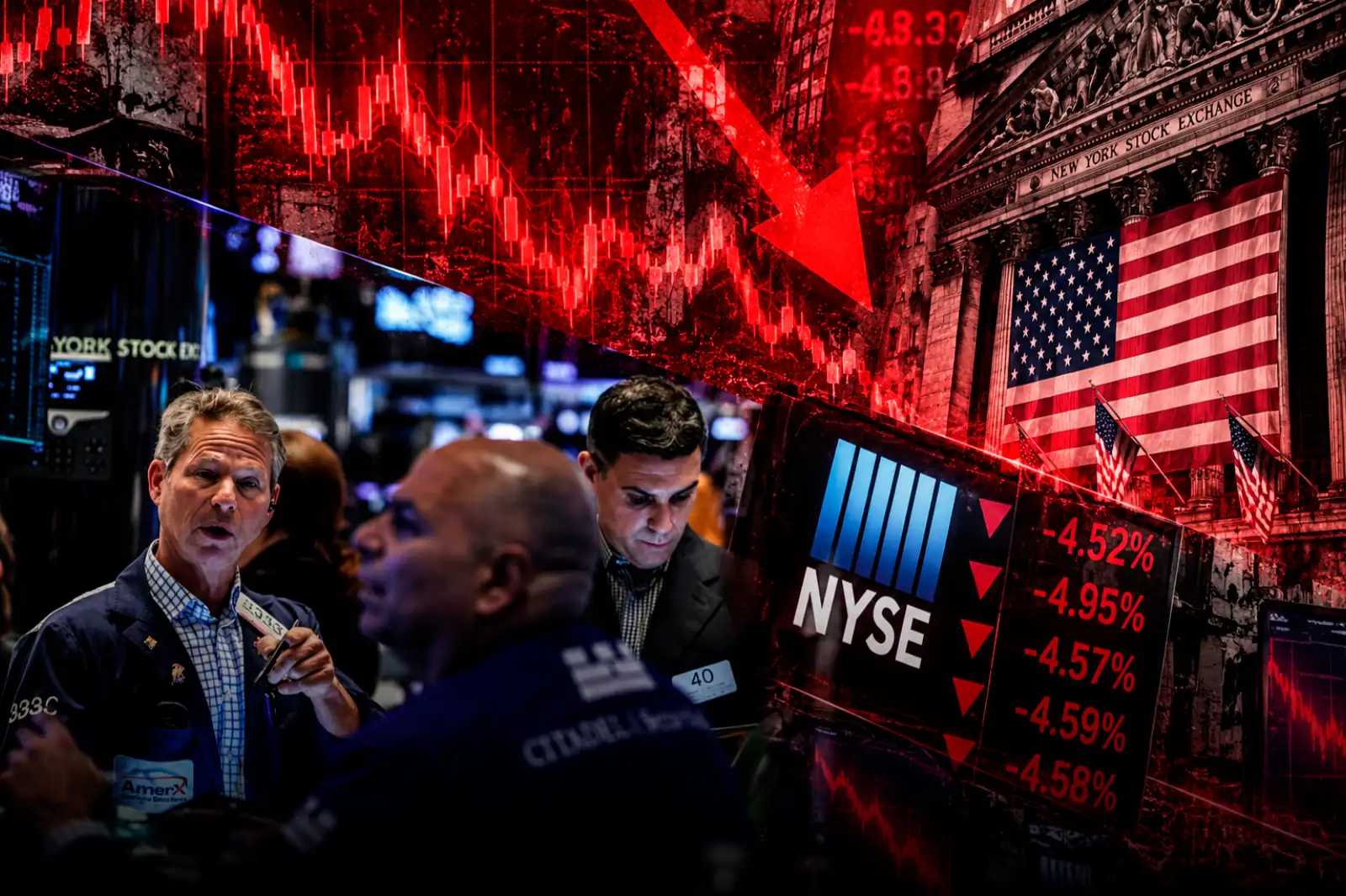
Business and financial sectors have reacted with alarm to the announcement of his victory. The local business confidence index fell in the first hours after the results were confirmed, while some real estate leaders warned that freezing or reducing rents will discourage investment and destroy jobs.


