Congress approved Milei's bill to reform the Glacier Law
Javier Gerardo Milei
porEditorial Team
Argentina
With 41 votes in favor and 31 against, the upper house gave preliminary approval to the bill to update the Glacier Law, strengthen federalism, and unblock multimillion-dollar investments
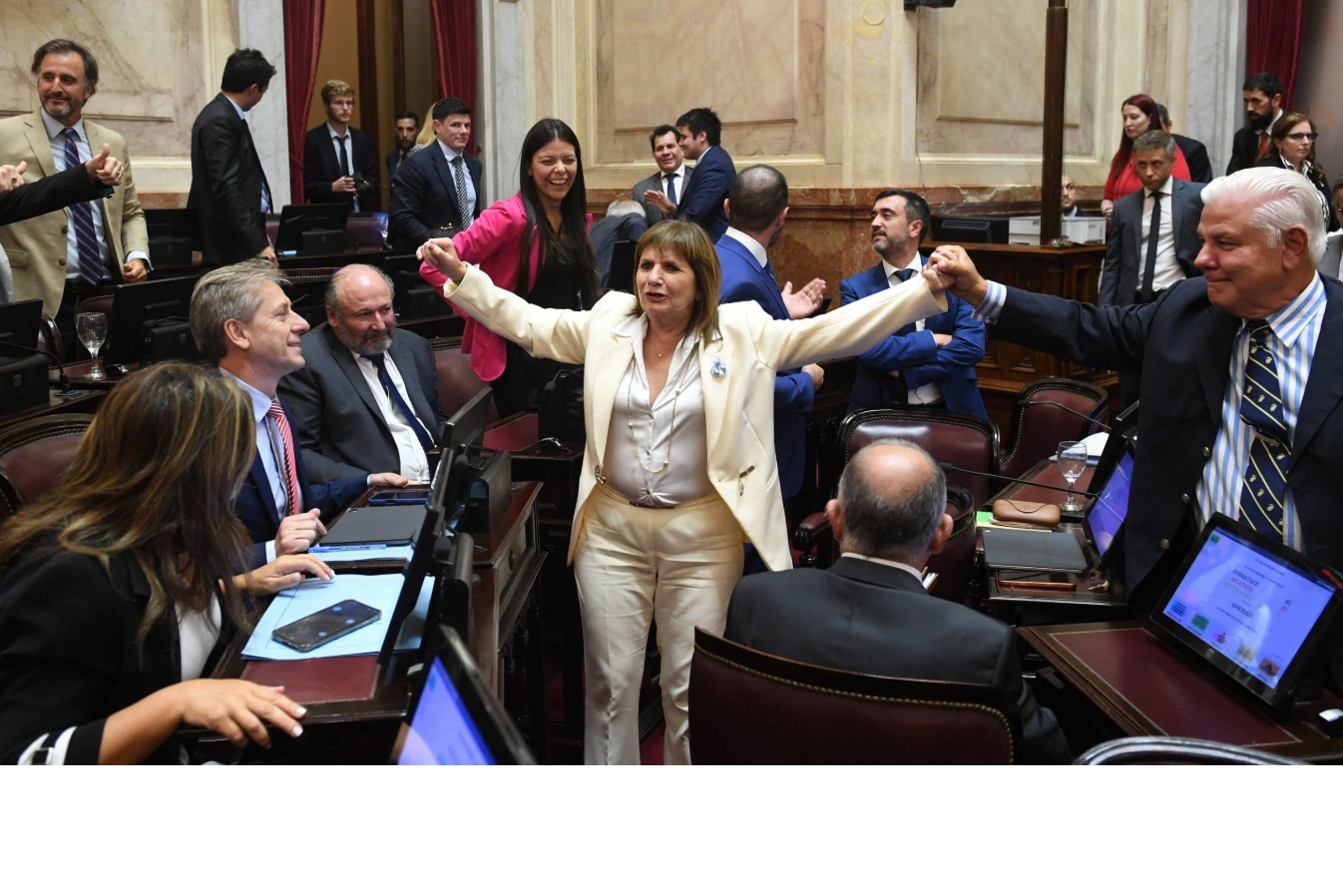
In a key vote for the economic agenda of the Javier Milei administration, the Senate approved in its penultimate extraordinary session a series of amendments to the Glacier Law. The initiative obtained 41 votes in favor and 31 against, both in the general and the specific vote, with the abstention of Neuquén senator Julieta Corroza. The text is now under consideration by the Chamber of Deputies.
The bill divided several caucuses, although it did not divide La Libertad Avanza, the group led by Patricia Bullrich, which voted as a bloc in favor. Lawmakers from the pro-Kirchner interbloc Lucía Corpacci (Catamarca) and Sergio Uñac (San Juan) also supported it, as did those who recently split from Kirchnerism Guillermo Andrada (Catamarca), Carolina Moisés (Jujuy), and Sandra Mendoza (Tucumán). There was also support from more moderate sectors, although with internal divisions.
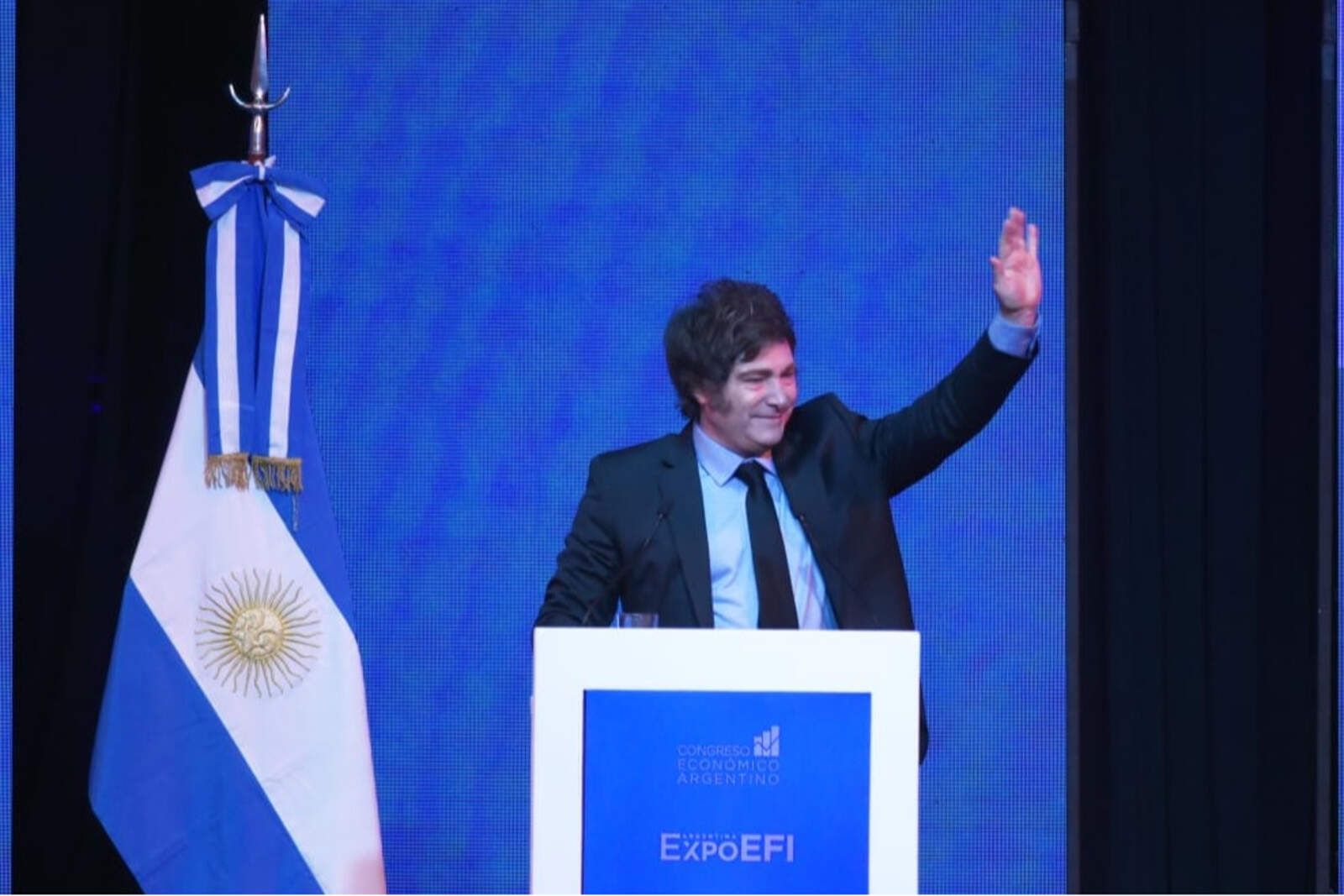
EN VIVO: el presidente Javier Milei participa de la Expo EFI
One of the most scrutinized articles was the seventh in the committee report —amended hours before the vote—, which allows each province to determine the enforcement authority, except in areas protected by National Parks Law 22.351. That authority will be responsible for identifying, "based on technical and scientific elements, the glaciers and the periglacial environment located in its territory that fulfill any of the water-related functions provided for" in the statute, that is, that "act as strategic reserves of water resources or as suppliers of water for the recharge of watersheds."
Members of the ruling party maintain that the reform doesn't eliminate environmental protection but rather clarifies it, while returning to the provinces effective control over their resources, as established by the Constitution. The goal, as they explained, is "to harmonize the regulations with the Constitution and the Supreme Court" and to put an end to a legal ambiguity that, for years, resulted in litigation, uncertainty, and the paralysis of investments.
The reporting member for La Libertad Avanza, Agustín Coto (Tierra del Fuego), stated: "Permanent water reserves are preserved" and clarified that the text doesn't aim "to remove" areas considered glaciers, "but also to incorporate" them into the IANIGLA inventory. "Everything remains protected," he asserted.
In the same vein, San Juan senator Bruno Olivera Lucero defended the federal spirit of the reform: "The national Constitution is clear and the Nation must establish minimum standards. It is a floor and not a regulation that covers everything and ends up nullifying federalism. Now the provinces are given the original control of their resources, which is what the Supreme Court requested." He also questioned the dichotomy raised by the opposition: "They present the debate as an impossible choice between water and the productive development of a lot of provinces. It is a totally false dichotomy. Water and mining are not enemies."
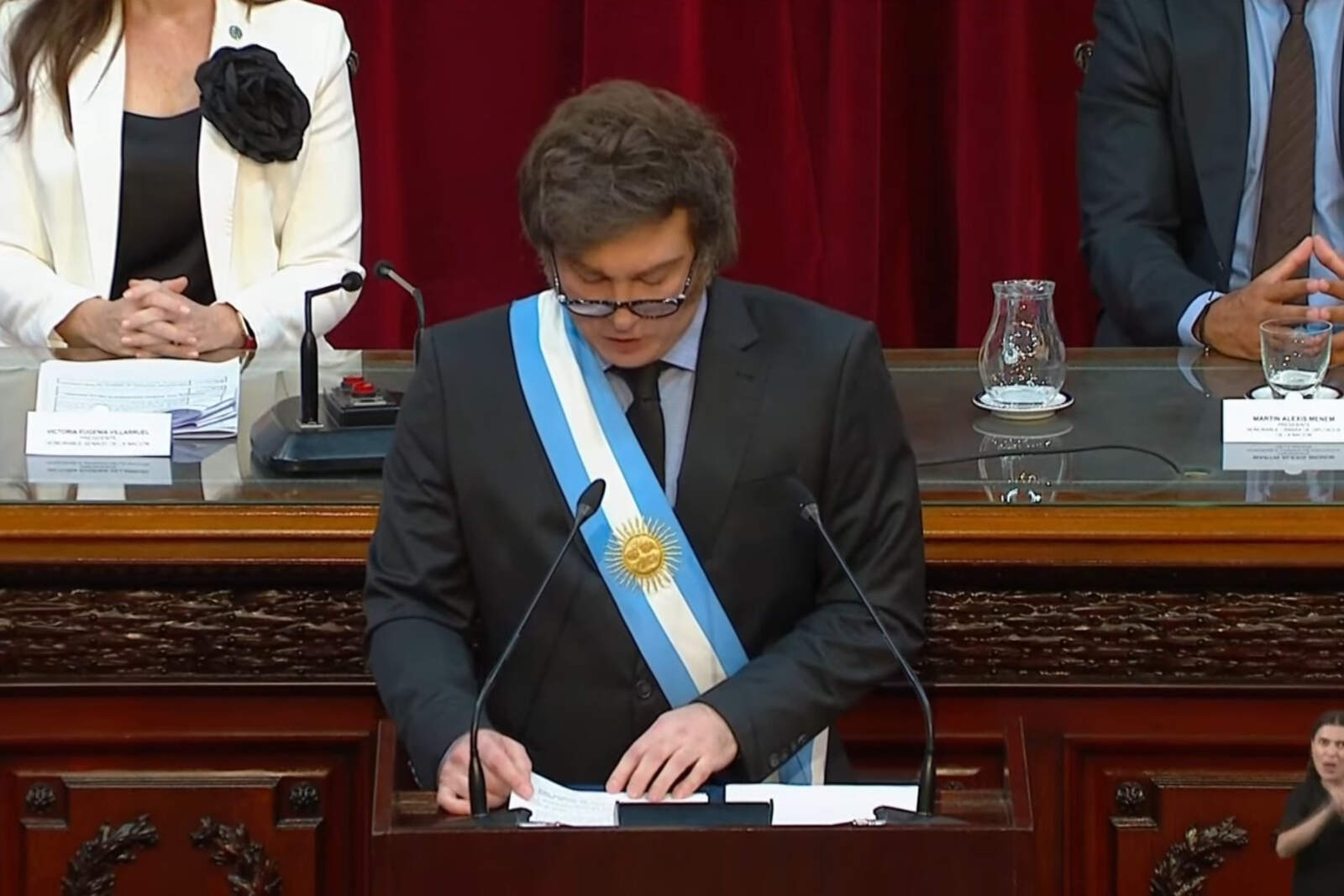
Javier Milei, presidente de Argentina.
Olivera Lucero added that IANIGLA "doesn't carry out field studies, but instead relies on satellite images" and that "development is paralyzed based on assumptions". He even pointed out that Argentina is "the only country in the world that turned the periglacial environment into a legal category" and asked: "Do the rest of the countries not protect the environment?"
With a more technical approach, former Energy Secretary Flavia Royón argued that "it is not about banning for the sake of banning, but about protecting what must be protected, and for that field studies are needed, with on-the-ground involvement, which is what the provinces do". She clarified that the bill "doesn't mention any flexibilization" and emphasized that "environmental and water protection is above all interests."
Royón also contributed a fact that shaped the debate: "In San Juan, 94% of the water is allocated to agriculture, 4% to human consumption, and 1.2% to all industry, not mining. The main consumer of water is agriculture." With that example, she sought to defuse one of the main environmental criticisms.
From Catamarca, Guillermo Andrada stated: "Mining has a bad reputation. We want a law that protects glaciers, but that is not a static label as it has been until now. We are seeking a statute that is more precise and more federal". Radical senator Flavio Fama expressed himself in similar terms, as he considered that the current law has turned into a rigid statute, with gray areas and federal tensions that caused "uncertainty" and, as a consequence, "the paralysis of investments."
In the closing, Bullrich summarized the ruling party's view: "Here it seems that Argentina has an almost mandatory obligation to remain a poor country, which is why we are changing history. We no longer want to discuss this ridiculous, backward logic between environment and economy." She concluded with a phrase that set the political tone of the day: "It is not water or jobs."