
The modification of the Environmental Fee began to take effect on December 1 and affects supermarkets, hypermarkets, shopping centers, hotels, industries, service companies, and private universities.
The change, established by Tax and Fiscal Ordinance No. 112/25, left behind the fixed amount system. Instead, it established a 2% rate applicable to each transaction within the district. Companies were given a deadline until December 15 to adapt their systems, a requirement that caused concern due to technical and operational limitations.
A hidden cost for families
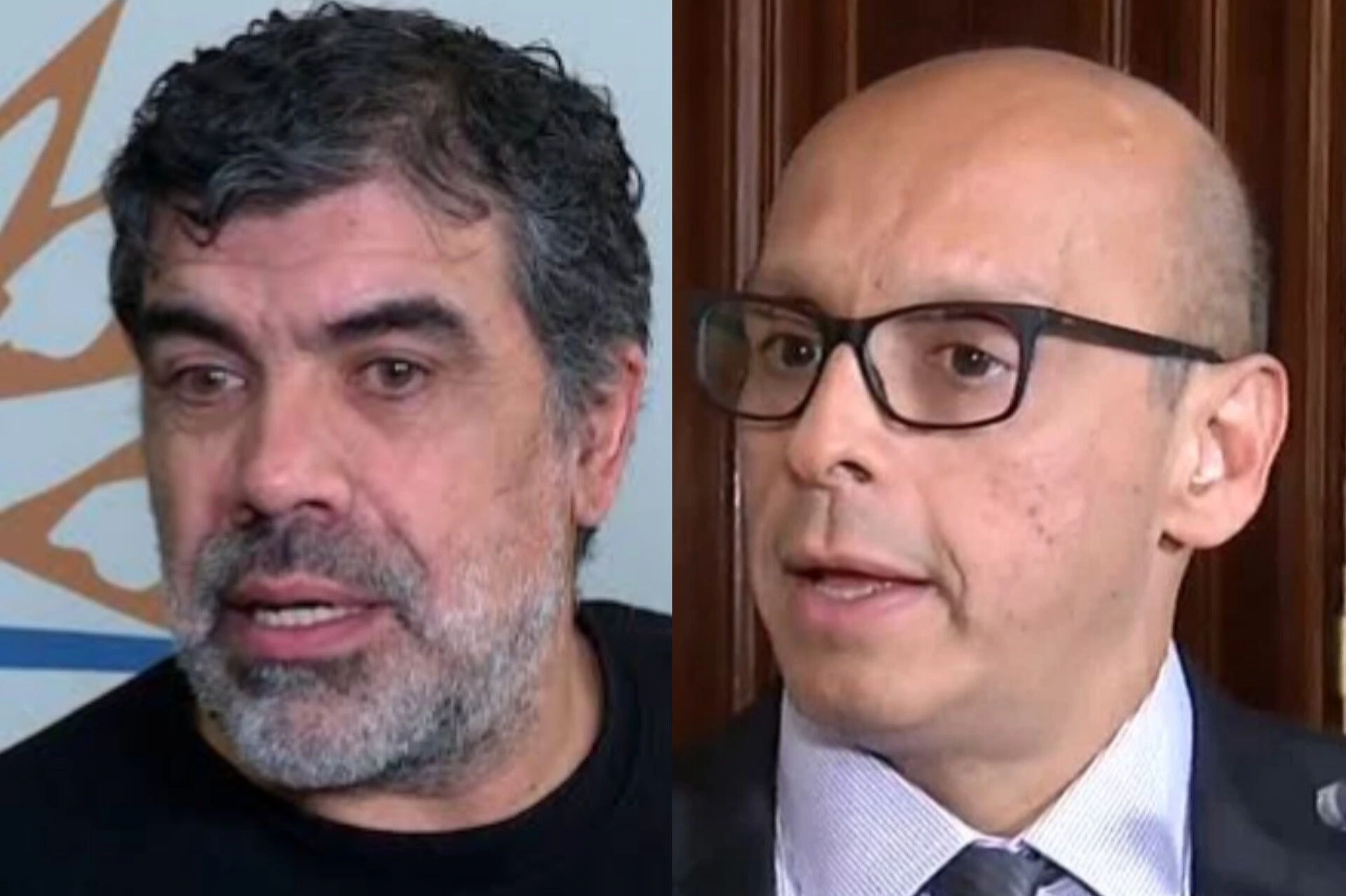
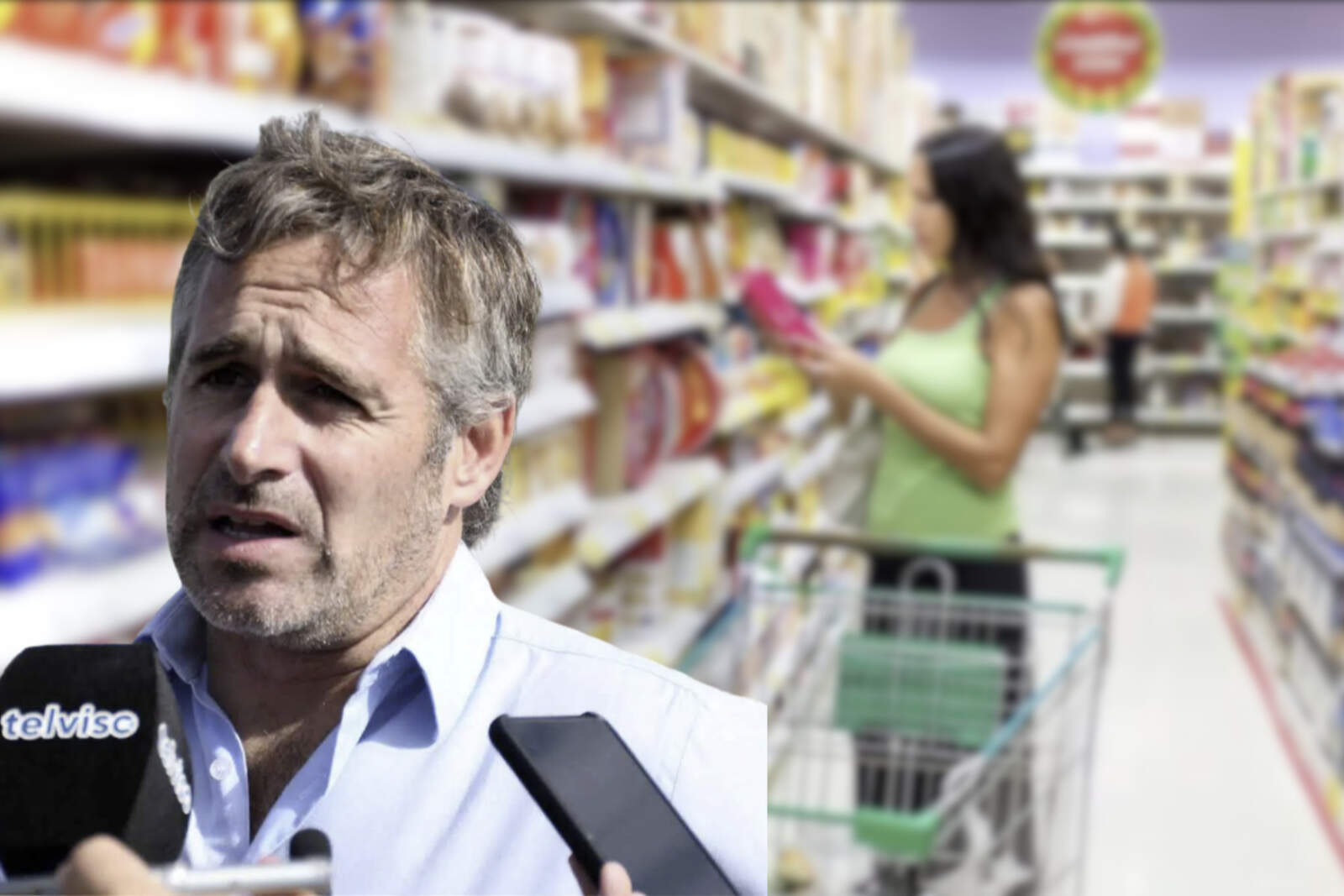
Economist Roberto Cachanosky analyzed the new scheme and was categorical. He stated that the measure implies "a hidden cost for families." He also assessed that "Mayor Achával's logic is to charge small amounts to many people, enough to collect revenue without provoking a social reaction."
The economist estimated that a typical family could face "an additional $14,000" per month if the surcharge is passed on to the final price of their purchases. He also warned that the new regime strengthens "the local revenue model" and linked the proliferation of municipal taxes to a system that "has become a factor of decline."
Cachanosky even cited Juan Bautista Alberdi to contextualize his position: "The country's worst enemy of wealth has been the wealth of the treasury." He emphasized that the increase affects all consumers "even if the extra cost is not visible on the receipt."
Supermarkets and wholesalers warn of increases and operational problems
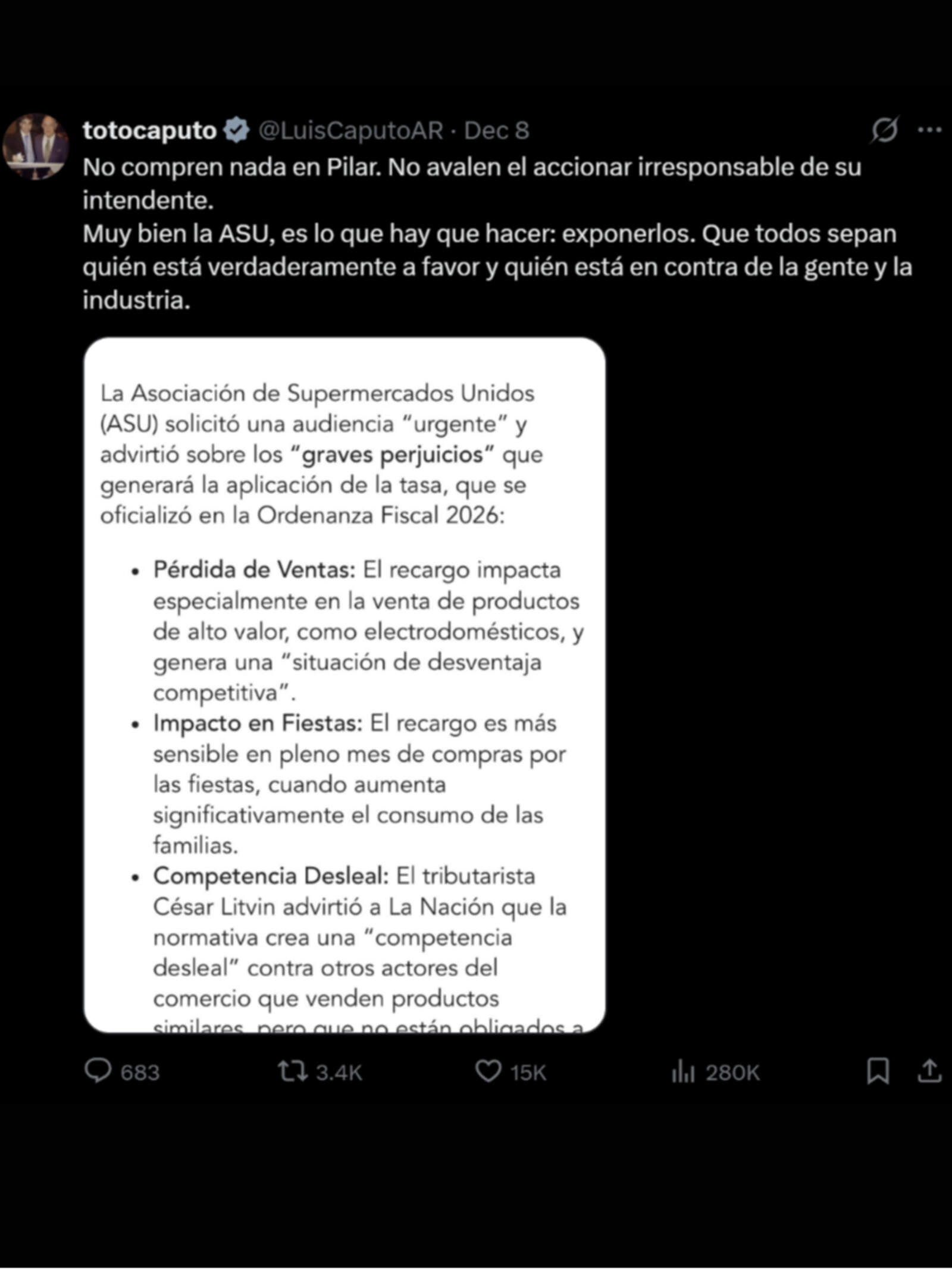
The United Supermarkets Association (ASU) sent a letter to the local Secretary of Finance, Anahí Moretti, requesting an "urgent" meeting. Its executive director, Juan Vasco Martínez, stated that the implementation of the tax will cause "serious harm" to residents. He also warned that companies will face severe operational problems due to lack of time, technical specifications, and supplementary regulations.