The pedophile tycoon held a conversation with the political strategist in which he criticized several Latin American countries
Nuevo
Agregar La Derecha Diario en
Compartir:
A series of private messages exchanged between Steve Bannon and financier Jeffrey Epsteinoffer a raw and provocative look at their view of the global geopolitical order, the role of China and the situation in Latin America.
In the exchange, which has an informal and unfiltered tone, the financier expressed deeply critical perceptions of the political and economic stability of the West and, in particular, of countries such as Argentina, Brazil and Venezuela.
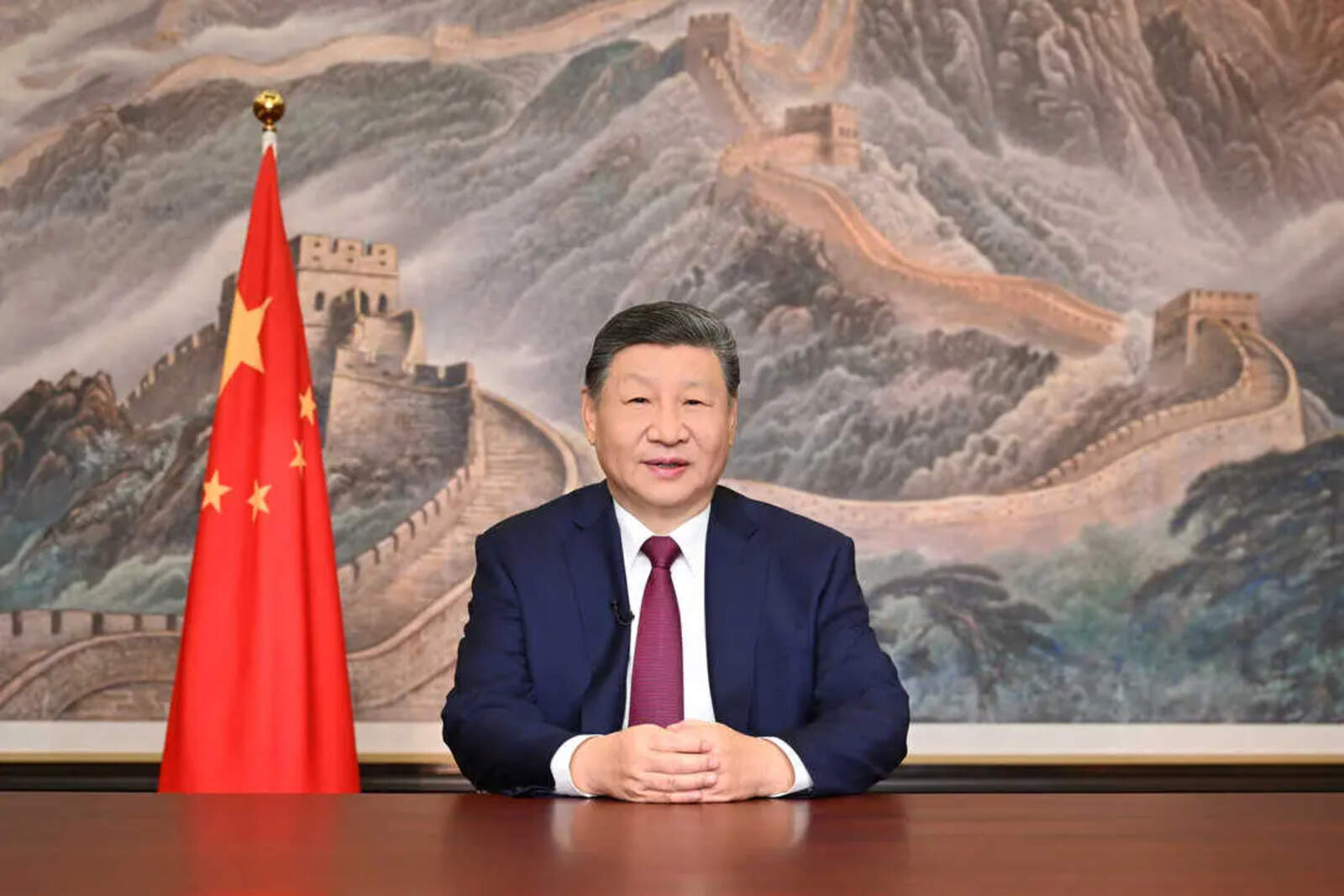
In the conversation, Epstein keeps that China is in a position of growing strength vis-à-vis the United States. According to his account, his contacts in that country state that Xi Jinping's leadership is fully consolidated and that Beijing has advanced steadily in Africa, North Korea and through the Belt and Road Initiative, with particular emphasis on the acquisition of ports, logistics infrastructure and strategic minerals.
El pedófilo financista elogió el liderazgo del chino Xi Jinping
In contrast, he describes the United States as a country without a clear "counterpart," weakened by internal divisions, constant turnover of officials and lack of strategic continuity.
This diagnosis of Western weakening serves as a framework for a severe assessment of Latin America, presented as a region in structural crisis. Epstein mentioned Brazil, Venezuela and Argentina as countries "on the verge of collapse" or trapped in repetitive cycles of failure.
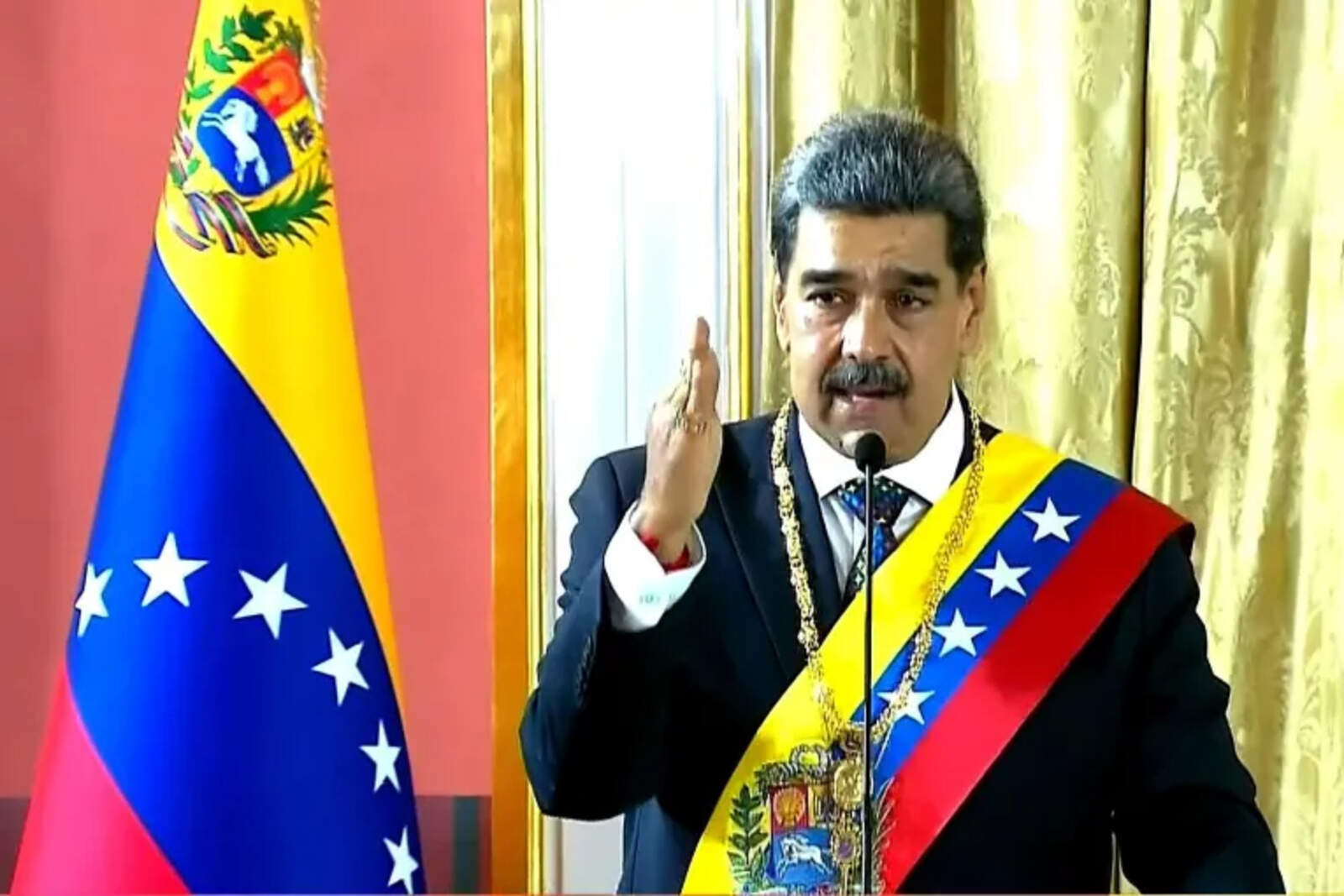
Venezuela is cited as a paradigmatic case of contradiction: having the largest oil reserves in the world and, at the same time, undergoing a deep economic collapse. Brazil, by contrast, is described as a future "historic investment opportunity" once its political crisis is overcome.
Epstein también se refirió a Venezuela, país al cual se refirió como contradictorio debido a las riquezas naturales que poseía y la mala gestión de los mismos
Argentina, in this exchange, received some of the harshest criticism. Epstein stated that the country is "about to collapse" and that "it has no way out, again," emphasizing the historical recurrence of its economic crises.
According to his view, Argentina's leadership was characterized by rhetorical confrontation and improvisation, but it lacks the capacity for sustained work and for implementing structural reforms. The repeated use of the word "again" points to a cyclical reading of Argentina's failure, seen not as an accident but as a constant.
In a comment that mixed irony and contempt, Epstein suggests that Argentina should become a major producer of marijuana, which he defines as "Latin America's bitcoin." The phrase, far from proposing a concrete policy, reflects a utilitarian and speculative view of the country, reduced to the possibility of exploiting an alternative economic niche in the face of the absence of a traditional development project.
El financista lanzó duros comentarios para con Argentina e incluso sugirió convertirla en un ''plantío de Marihuana''
The exchange also suggested that the region would be "ripe" for the emergence of new populist leaderships and for the entry of capital willing to assume high risks in contexts of institutional collapse.
In this framework, Argentina appears not as a strategic partner, but as a recurrently failed territory, vulnerable to crises and attractive only from an opportunistic perspective.