Xi Jinping's regime carried out an espionage scheme that allowed it to intercept the communications of United Kingdom officials for years
Compartir:
A systematic espionage operation attributed to China has allowed agents linked to the Chinese state to intercept the communications of senior United Kingdom government officials for years, including advisers and civil servants who worked directly in Downing Street.
This is revealed by an investigation published by a British newspaper, which describes a prolonged digital intrusion campaign between 2021 and 2024, aimed at the heart of British political power.
According to the information published, the strikers allegedly managed to access mobile phones used by key figures in several Conservative governments, affecting teams close to prime ministers Boris Johnson, Liz Truss and Rishi Sunak.
Boris Johnson fue uno de los apuntados por el ciberataque chino
The main objective of the operation would not have been a one-off attack, but rather continuous and silent surveillance, designed to gather sensitive political intelligence over the long term.
Cybersecurity experts point out that this type of espionage fits with the usual methods of Chinese intelligence services, which are characterized by their persistence and by focusing on personal and professional communications instead of limiting themselves to classified documents.
Through messages, calls and metadata, a foreign actor can reconstruct power networks, identify internal divisions, anticipate political decisions and obtain strategic advantages in diplomatic and trade negotiations.
The fact that the compromised devices belong to officials in the prime minister's immediate circle considerably increases the seriousness of the case. Unlike a conventional cyberattack, mobile phone espionage allows deep access to the Government's daily political life, including informal exchanges that often reveal more than official channels.
El objetivo del ciberataque fue una vigilancia contante del gobierno británico
Analysts warn that the mere possibility that China has had that level of visibility poses a direct threat to national security of the United Kingdom.
Although British authorities have avoided publicly confirming all the details, the case adds to growing concern in the West about the Chinese state's digital espionage activities.
In recent years, the United Kingdom and its allies have repeatedly accused Beijing of carrying out cyberespionage campaigns against parliaments, democratic institutions and critical infrastructure, as part of a global intelligence-gathering strategy.
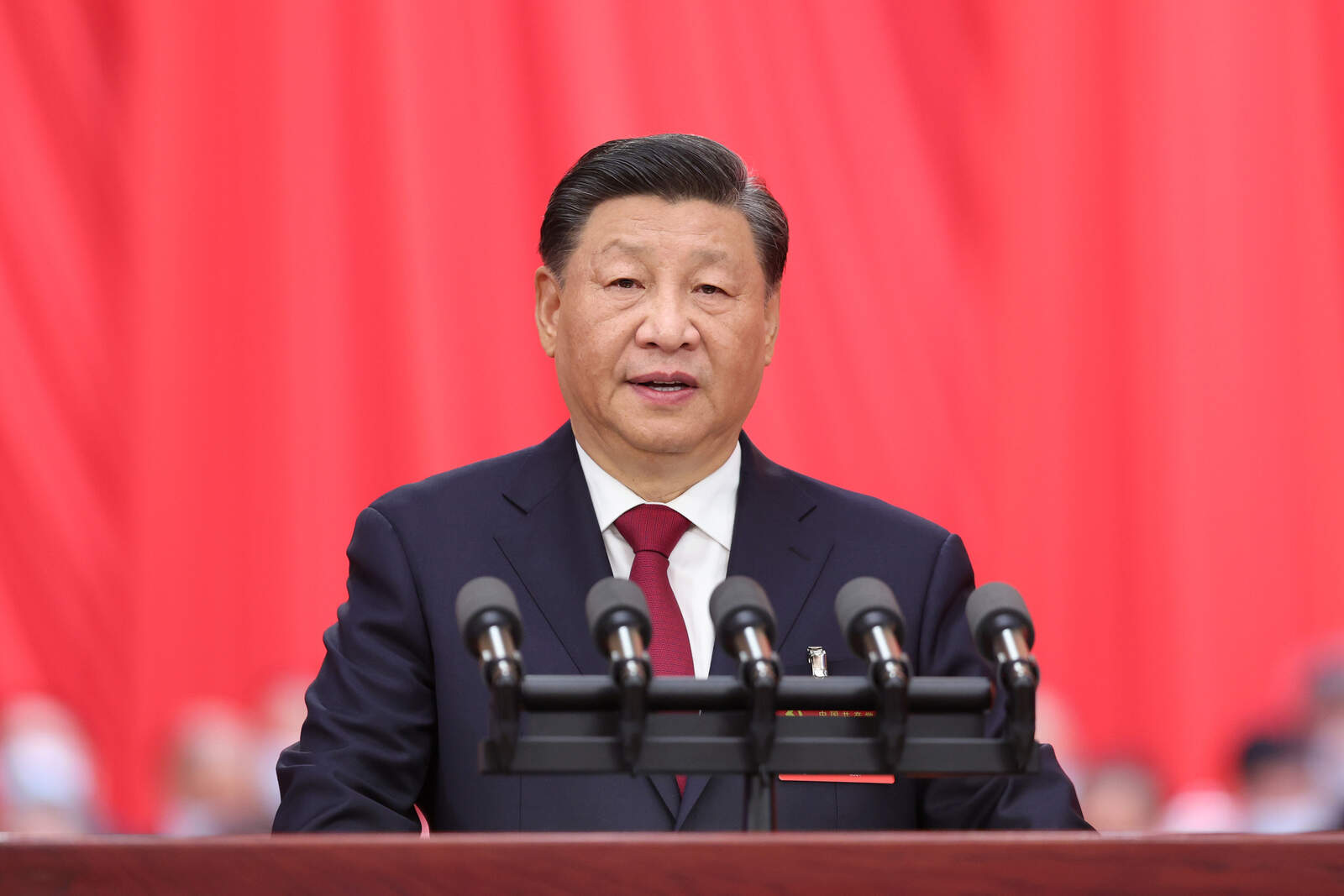
El régimen de Xi Jingping ha llevado a cabo múltiples ataques cibernéticos a lo largo de Occidente durante la última década
From the British political sphere, the revelations have reignited criticism of policy toward China. Several members of Parliament have pointed out that the espionage described demonstrates that Beijing acts as a covert hostile actor, even while it keeps diplomatic and trade relations with London.
This case highlights the contradiction between treating China as an economic partner and, at the same time, suffering persistent attacks against state structures.
The Chinese government has denied the accusations and has described them as unfounded. However, these denials haven't dispelled concerns, especially because they come in a context of previous sanctions and formal warnings from British intelligence services about espionage activities linked to China.
For many experts, the pattern is clear: a long-term intelligence campaign that prioritizes silent infiltration over visible sabotage.
El gobierno de Trump ha advertido en repetidas ocasiones sobre los peligros que representa la asociación al gobierno chino