The K electoral collapse in Córdoba territory confirms a province that supports the national government's path of change
Compartir:
For almost two decades, Kirchnerism tried to establish its project in Córdoba, but the provincial society chose to firmly reject that failed model. The last election buried that aspiration, leaving Frente Patria without seats and confirming that Córdoba keeps a firm, liberal political conviction. Pablo Carro will not renew his seat in Congress and the group obtained just 5%, breaking its historical floor and erasing any trace of influence.
The collapse was clear since 2015, when they went from four deputies to a constant decline, losing representation in every subsequent electoral cycle. In every vote, support decreased until this outcome, where Córdoba's citizens expressed exhaustion with the populist narrative and state intervention. The provincial vote supports reforms, institutional order, and fiscal responsibility, values incompatible with the Kirchnerist model promoted for years.
In 2011 they reached almost 35% of the votes for deputies, but that support faded when the national administration showed clear limits and costs. Córdoba's society stopped supporting Kirchnerism and reinforced its decision to avoid returning to the past of privileges, political confrontation, and uncontrolled spending. The loss of trust was total, showing that Córdoba prioritizes economic freedom, institutional respect, and personal responsibility over the Kirchnerist model.
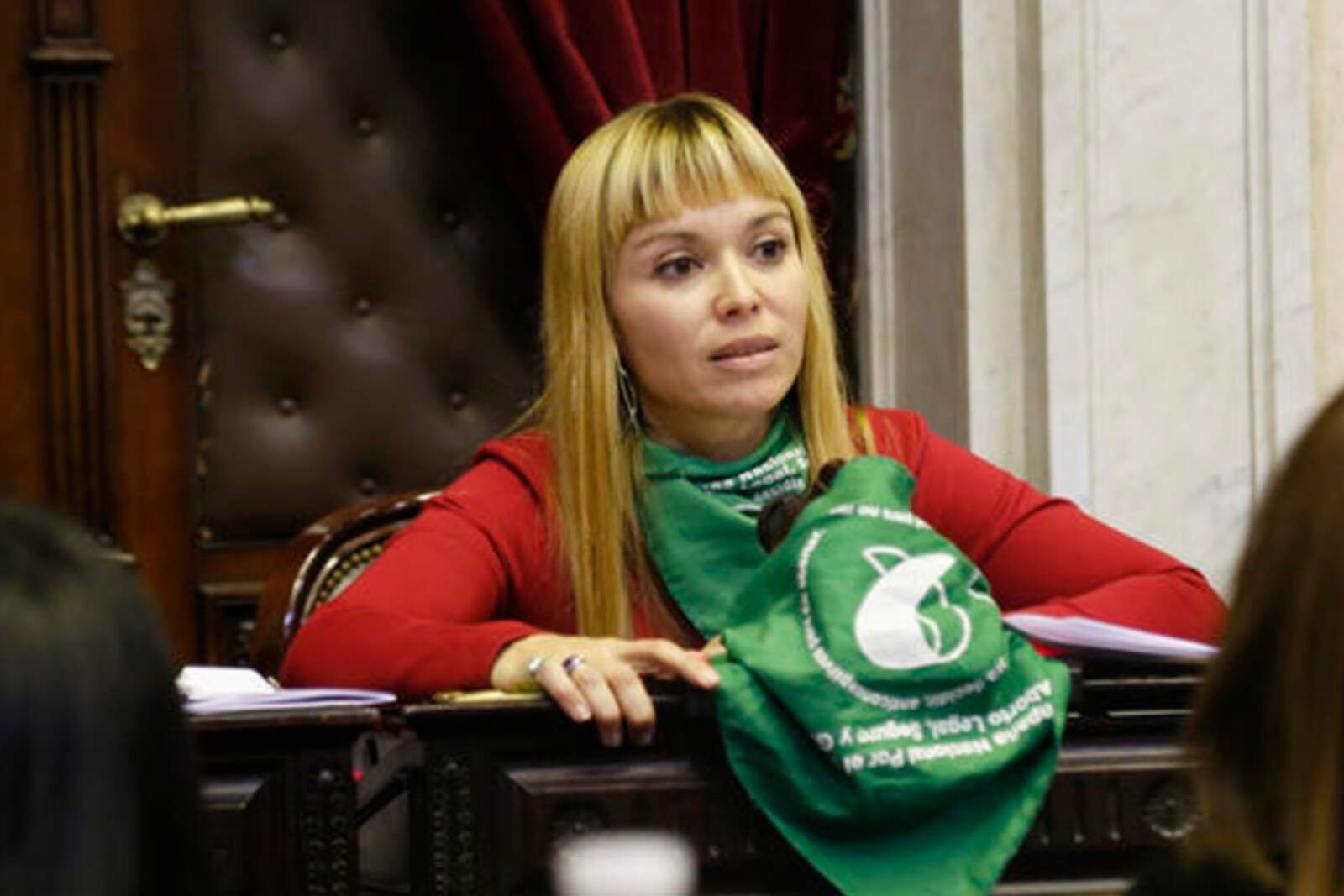
Gabriela Estévez será la única diputada kirchnerista de Córdoba desde diciembre
A province that never bought into the K narrative
Even in 2009, with a poor election, the group secured one seat, but this time not even that minimal representation could be maintained in this decisive scenario. The comparison with more than 300,000 votes for Massa in the presidential election highlights the decline, showing the lack of real territorial roots in Córdoba. For a group dependent on vertical leadership and militant mystique, this result confirms a deep cultural break in the province.
In 2019 they obtained two seats, but that brief improvement was only an exception driven by a national context and not by a solid local structure. Far from reversing their decline, today they are left with only one representative from Córdoba (Gabriela Estévez), without territorial apparatus or political horizon for reconstruction. Córdoba consolidates its role as a democratic wall against Kirchnerism, reaffirming a modern and productive identity that seeks to move forward without constraints.
The decline is not surprising, because Córdoba has always maintained a critical relationship with Kirchnerist central power and its personalist practices. Voters chose stability, competitiveness, and austerity instead of clientelism, artificial epic, and uncontrolled expansion of public spending. This election sends a clear message: Córdoba leaves Kirchnerism out of the picture and embraces a new stage based on freedom, order, and individual responsibility.