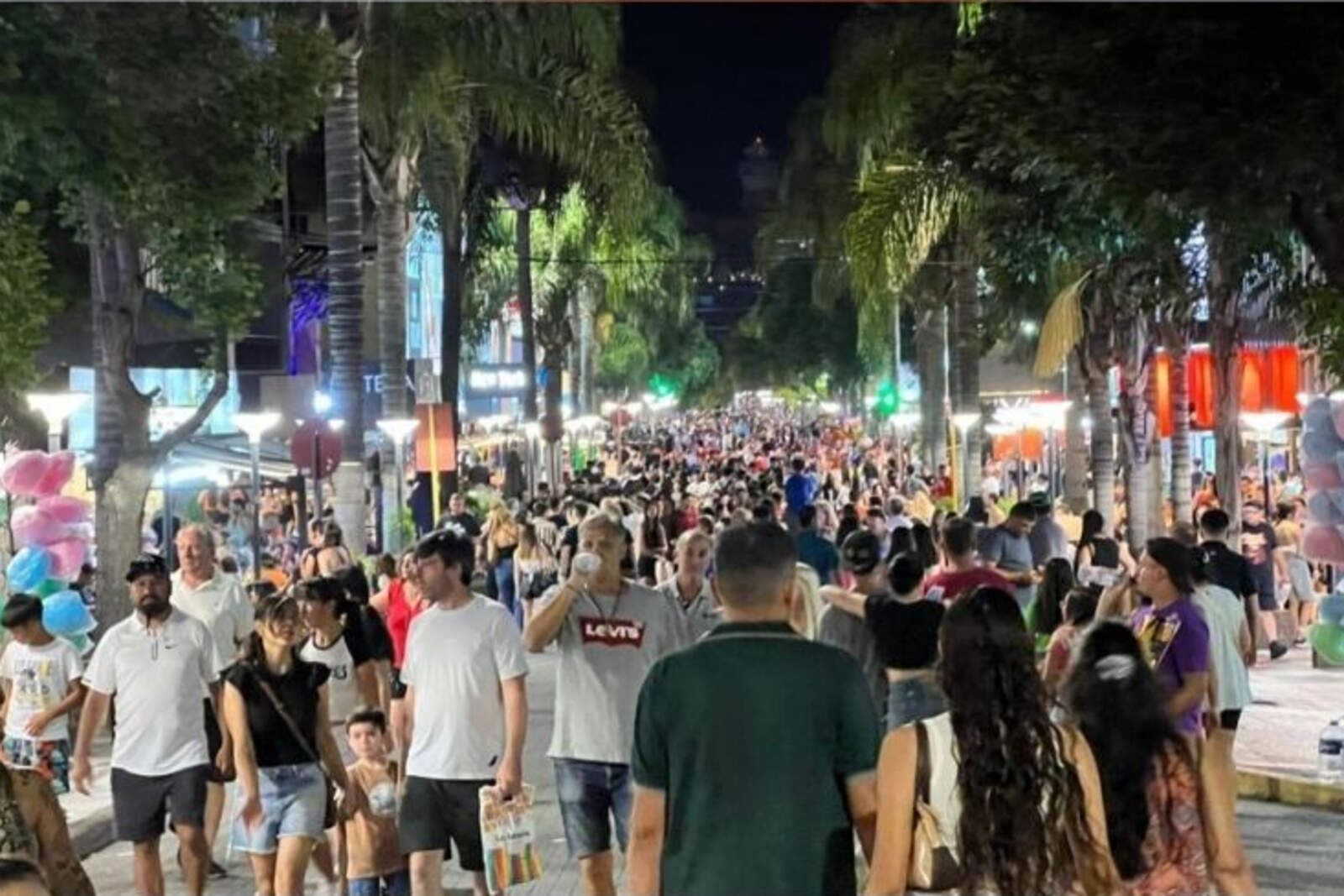
Córdoba city is consolidating its tourism profile during 2025 by receiving 1,051,015 visitors in formal establishments in the area. This flow of people represented year-on-year growth of 7.6% and demonstrated the great vitality of private initiative in the province. The result confirms that Córdoba Capital is definitively positioning itself as one of the most dynamic and most chosen urban destinations in the country.
The movement of travelers caused an estimated economic impact of 245,000 billion pesos and benefited the local private value chain. The income had a direct impact on hospitality, gastronomy, and commerce and strengthened genuine employment in the capital city. The official data confirm that visitors' spending boosted the activity of services and cultural offerings in the area.
La ciudad de Córdoba consolida su perfil turístico durante 2025 recibiendo a 1.051.015 visitantes en establecimientos formales de la zona.
The average annual hotel occupancy rate reached 52.4% and maintained sustained demand that made it possible to sustain this sector's profitability. The records for the second half of the year were at levels similar to those of 2019 and recovered the levels prior to the pandemic. The upward trend confirms consumers' confidence and the competitiveness of Córdoba Capital's hotel offerings in the market.
Competitive market and services
The presence of the Córdoba brand at international fairs responds to private operators' need to attract foreign currency. The recognition obtained by the destination validates the efforts of the business owners who maintain the quality of the services. International standards certification is essential for competing in a global market that doesn't forgive local inefficiency.
The incorporation of new guides and hosts reflects market demand for professional services that provide added value. The digitalization of customer service and training programs are basic responses to a private sector that demands constant modernization. Future development will depend on freedom of commerce and on reducing state bureaucracy that often slows real investment in the area.
Los registros del segundo semestre se ubicaron en valores similares a los del año 2019 recuperando los niveles previos a la pandemia.