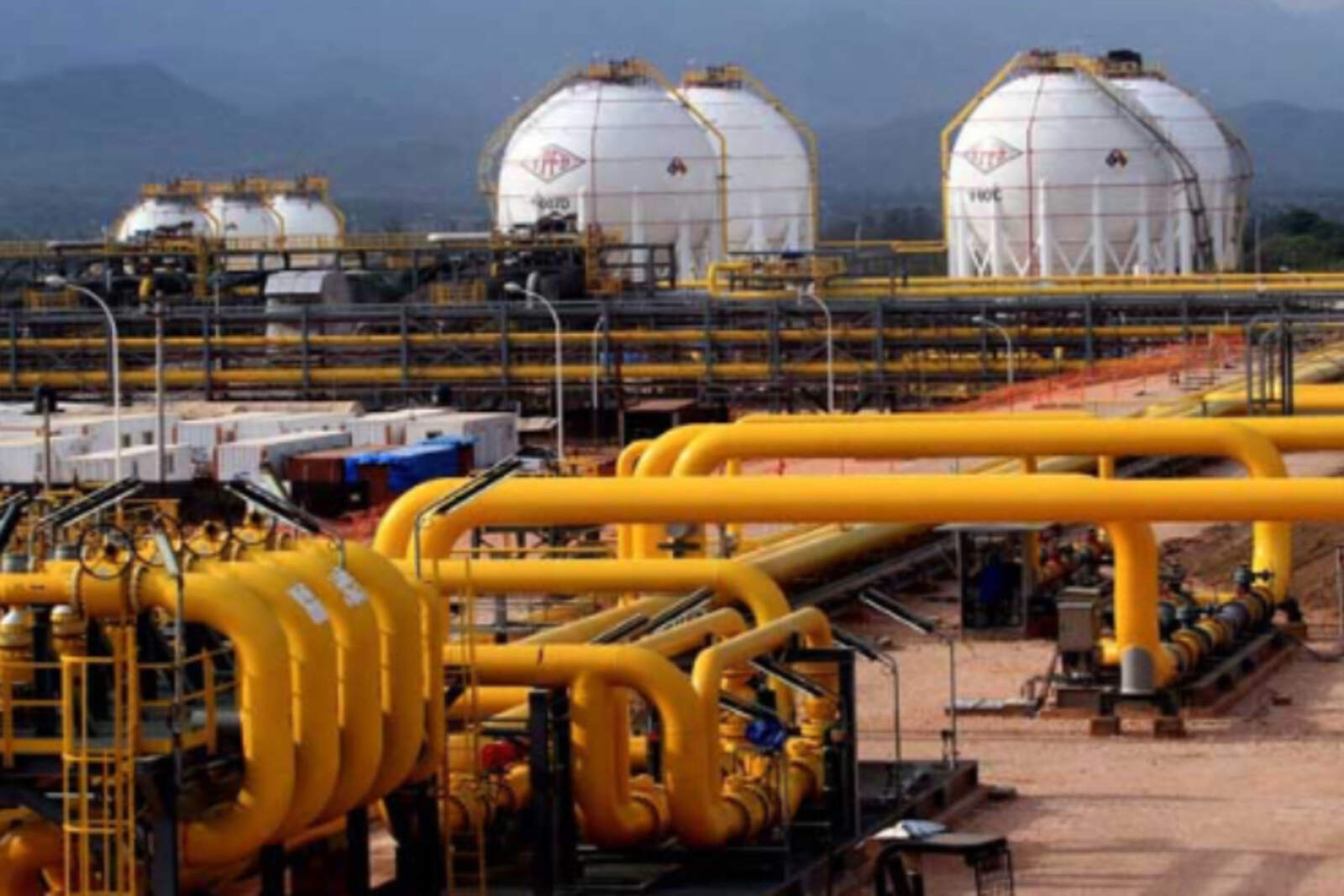
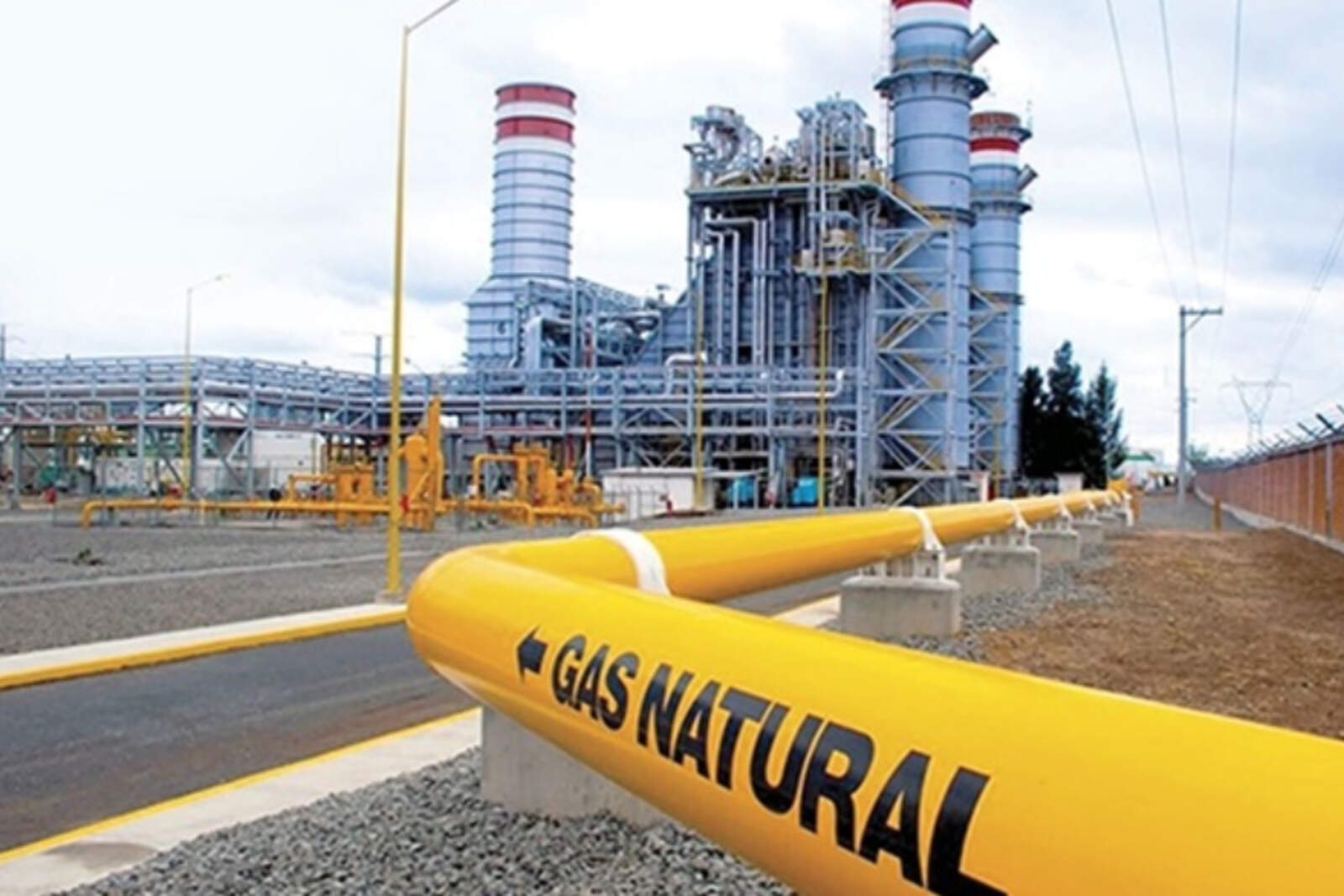
Between the years 2023 and 2025, an energy expansion policy was developed to bring the supply of natural gas to various points in Córdoba. The execution of strategic works made it possible to add new towns to the provincial system and to expand the existing household networks for residents. This comprehensive planning included the primary infrastructure necessary to guarantee service in homes and local educational establishments.
In this period, progress was made in the construction of pressure-regulating plants and trunk networks through transparent public bidding processes. A total of 9 large-scale works were managed, 2 of which are already authorized to provide direct service to about 14,009 residents of Córdoba. The total budget allocated to these projects reached USD 2,409,973.51 together with a supplementary allocation of $3,593,848,897.05.
The household network program used financing for municipalities and communes with a repayment scheme set in 48 monthly installments. During the period analyzed, 69 works were processed and 28 of them were authorized, reaching coverage for a total of 41,328 new residents. The investment committed for these household connection tasks amounts to USD 17,231,665.50 and an additional amount of $25,696,548,860.22 executed.
La ejecución de obras estratégicas permitió sumar nuevas localidades al suministro de gas
Works in schools and regions in the northern part of the province
The plan called Conectar Gas Escuelas facilitated the financing of internal installations through specific subsidies granted to the communes of Córdoba. Between the years 2023 and 2025, 96 works were managed and 15 were authorized, which made it possible to benefit an educational community made up of 16,574 people in total. The resources invested to ensure safe and heated school environments totaled USD 1,238,961.88 and an amount of $1,847,589,513.93 for the buildings.
In the departments of San Alberto, San Javier, Pocho, Cruz del Eje, Minas, Ischilín, Río Seco, Tulumba, and Sobremonte, distribution networks were built. For these areas, 15 works were managed and 3 were authorized that benefit 2,800 residents with an investment of USD 2,777,785.50 for the works. The financing in local currency for these departments in the northern and western parts of Córdoba reached the final sum of $4,142,344,849.02 for the tasks carried out.
In General Roca, Presidente Roque Sáenz Peña, Río Cuarto, Juárez Celman, San Martín, Marcos Juárez, Unión, San Justo, and Río Segundo, there were key advances. Of the 15 works managed in this sector, 7 were authorized, providing access to gas to 6,612 residents through the household network infrastructure. The funds allocated for these regional connections represented a total of USD 2,809,026.50 and an allocation of $4,188,932,677.86 according to the records.
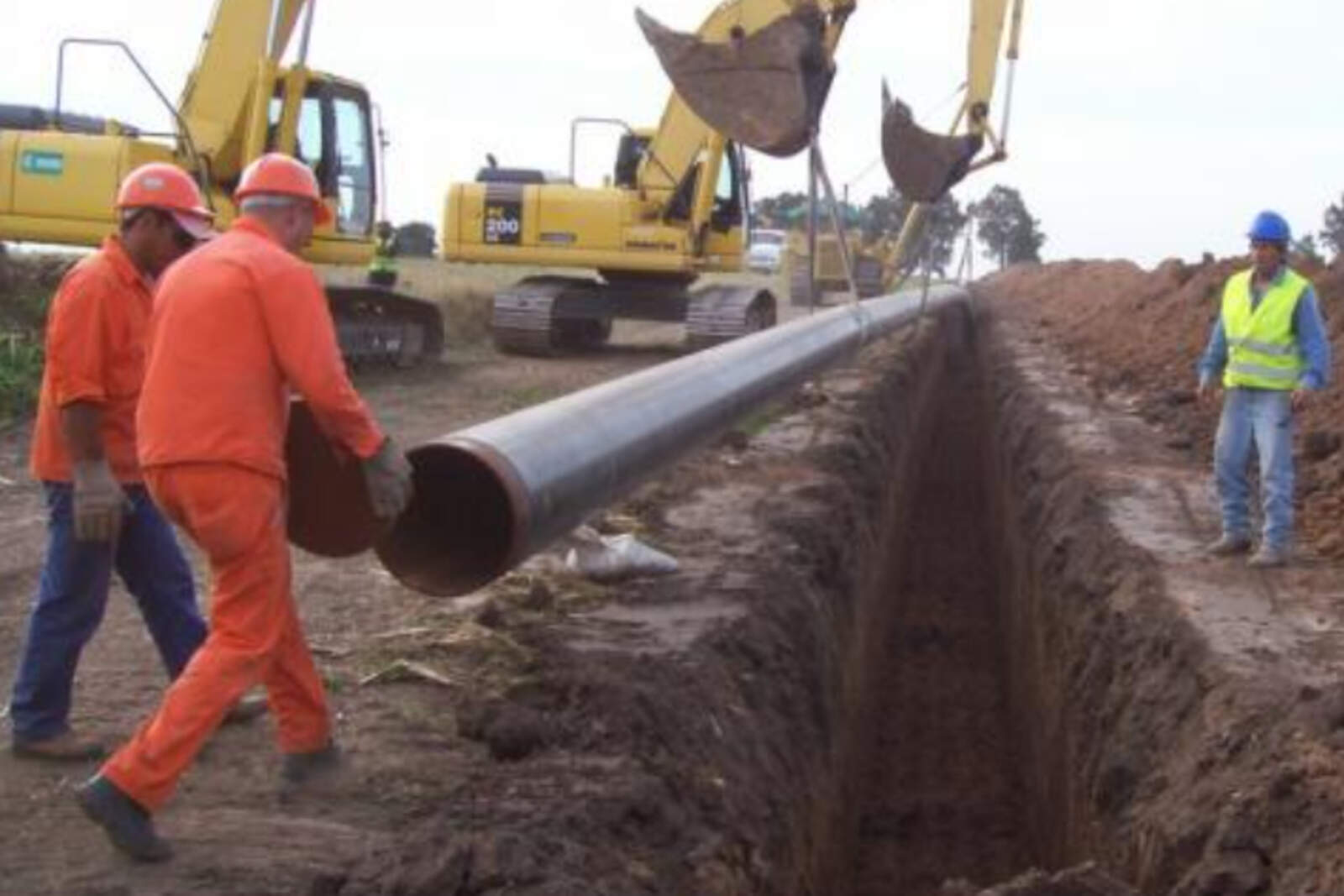
Las redes de distribución domiciliaria se vincularon directamente a los gasoductos troncales existentes
Coverage in the central area and goals achieved
In Calamuchita, Capital, Colón, Punilla, and Santa María, 23 natural gas works were processed to expand the coverage of basic services. Currently, 3 of these projects are authorized, which reach 5,420 residents through a disbursement of USD 3,718,232.00 for materials. The investment in national currency for this block of central departments in the province of Córdoba was set at the final sum of $5,544,776,287.68.
The household distribution networks were directly connected to the existing trunk gas pipelines to optimize pressure at each point of consumption. The simultaneous construction of primary and secondary infrastructure allowed thousands of families to gain access to a more efficient and safer energy source. These gas engineering projects seek to strengthen regional productive development and to facilitate the arrival of industries to towns in the interior.
The technical reports confirm the deployment of trunk and household networks as the main driver for the expansion of service across the entire map. The coordination of subsidies and loans for municipalities made it possible for gas works to reach sectors that previously did not have the network. The balance of the last two years shows a mobilization of resources to reduce limitations in residents' access to natural gas.