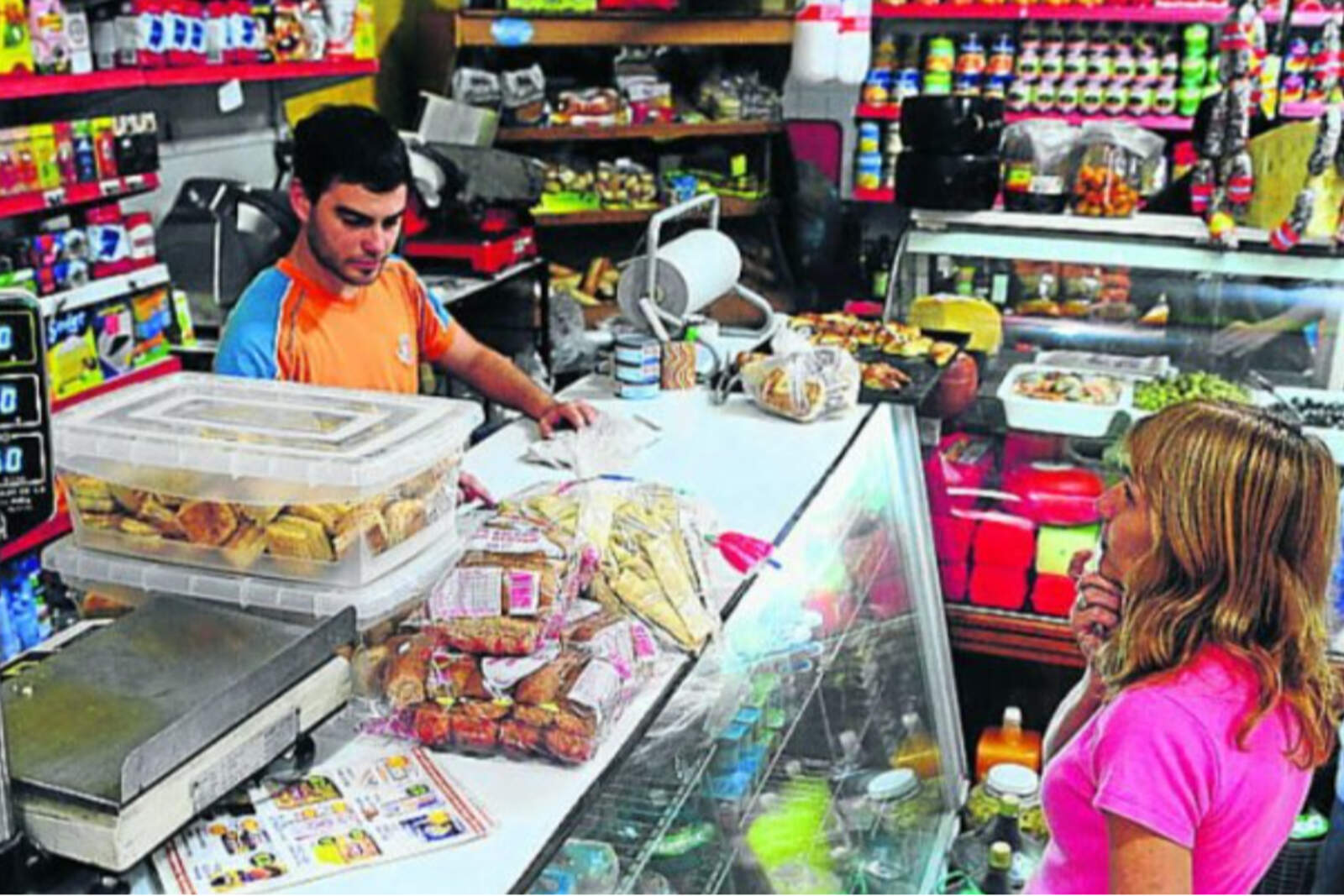
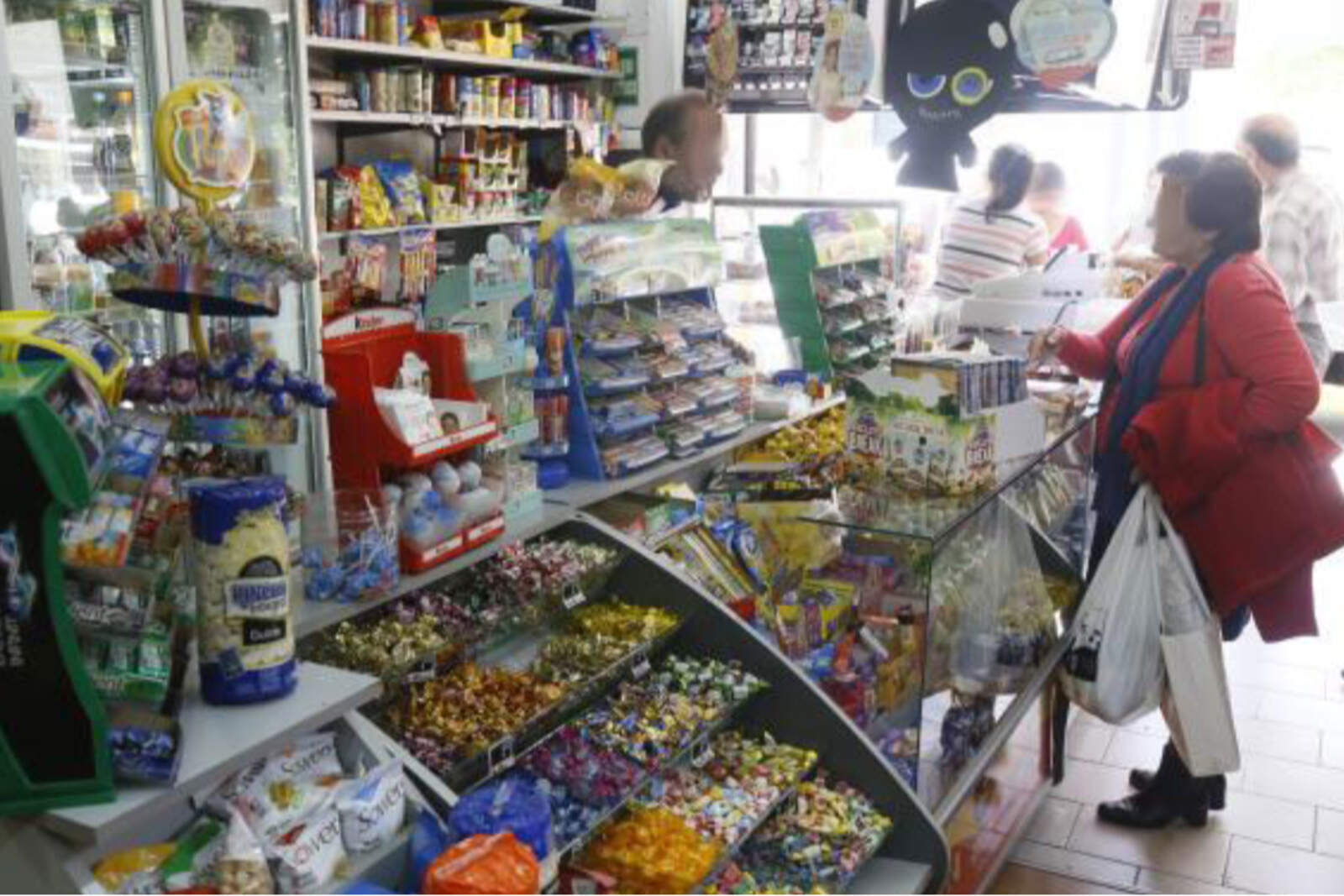
The Grocers Center of Córdoba reported inflation of 2.26% for the month of December, consolidating a very significant monthly decrease for the region. This figure confirms a trend of stability achieved thanks to the firm control of public spending and the government's monetary policy under Milei. The Córdoba entity observed that prices maintained a steady pace during the last quarter, providing predictability for local commerce.
The close of 2025 showed an annual accumulated rate of 31.4%, a figure noticeably lower than the worrying levels recorded in previous governmental periods. When comparing it with the 211.4% of 2023 and the 117.8% of 2024, a drastic shift toward a scheme of lasting financial stability becomes evident. This is the most favorable inflation result of the last decade, allowing much more efficient economic planning for all households.
Within the Food and Non-Alcoholic Beverages category, an increase of 2.8% was measured, where the price of beef accounted for a large part of the rise with 9%. The increases in public services, transportation, and clothing also aligned with the new price dynamics set by the current free market. The lower volatility in basic goods is a key indicator that the structural reforms are having a positive impact throughout Córdoba.
El Centro de Almaceneros de Córdoba reportó una inflación del 2,26% para el mes de diciembre
Modernization of INDEC and new methodological metrics
As of January 2026, INDEC will implement a renewed methodology to officially calculate the Consumer Price Index. The technical update uses the 2017–2018 Household Income and Expenditure Survey, finally replacing the old structure that dated back to 2004. This transition to the international COICOP 2018 classification will make it possible to reflect citizens' real purchasing habits more accurately.
The new survey will assign greater weight to spending on housing, electricity, and gas, while other secondary goods will reduce their share. This greater digitalization of the statistical process is expected to eliminate informational biases and provide structurally more accurate data from now on. Sector specialists consider that correcting this two-decade statistical lag is an essential step toward making the country's economic reality more transparent.
The end of the inflationary spiral represents a historic achievement that lays the foundations for the definitive recovery of commercial activity in Córdoba and the entire country. The figures released by the grocers validate the path of fiscal austerity as the only way out of the Kirchnerist monetary chaos. Córdoba society is starting 2026 in a scenario of economic order that facilitates investment and protects the real value of the national currency.