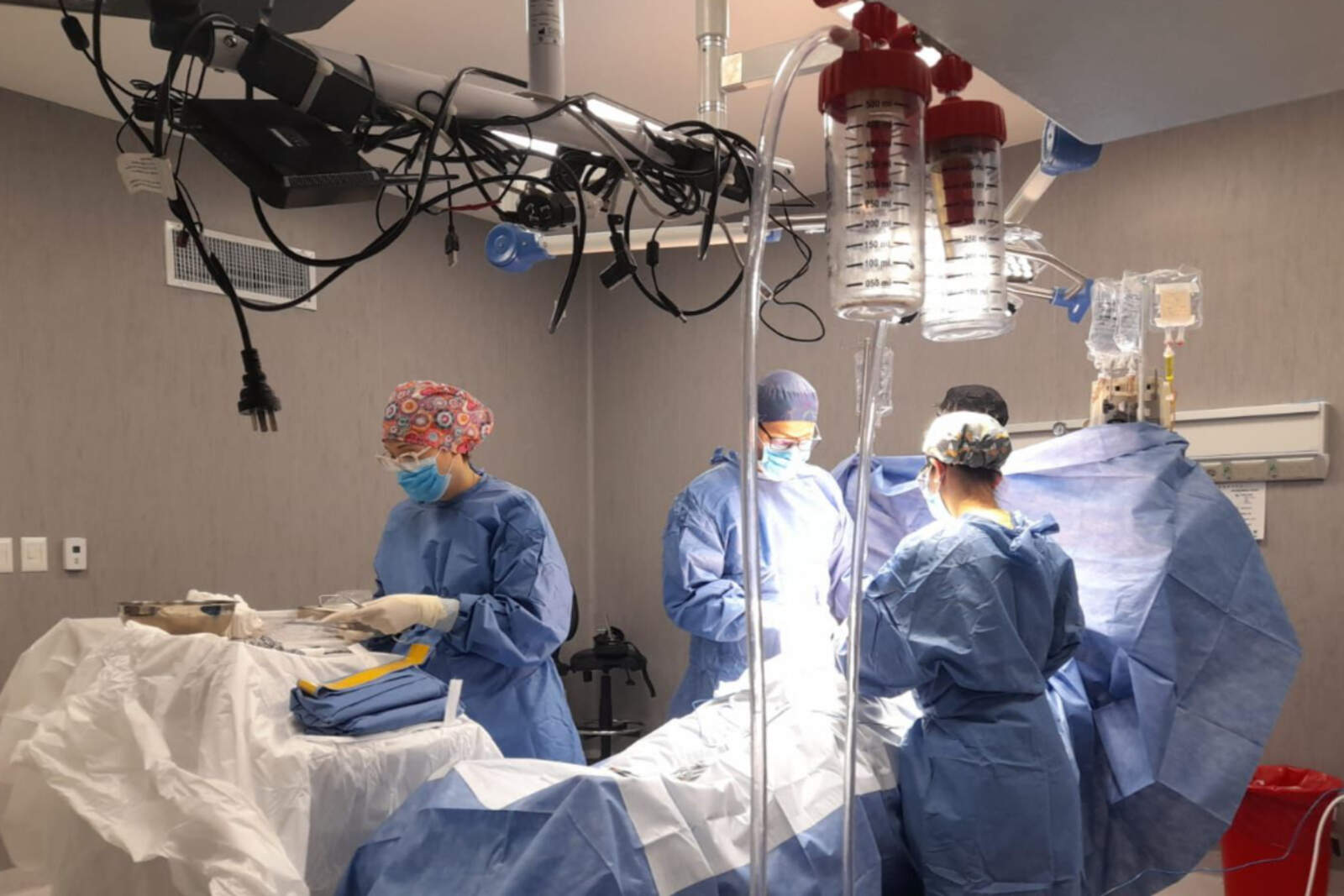
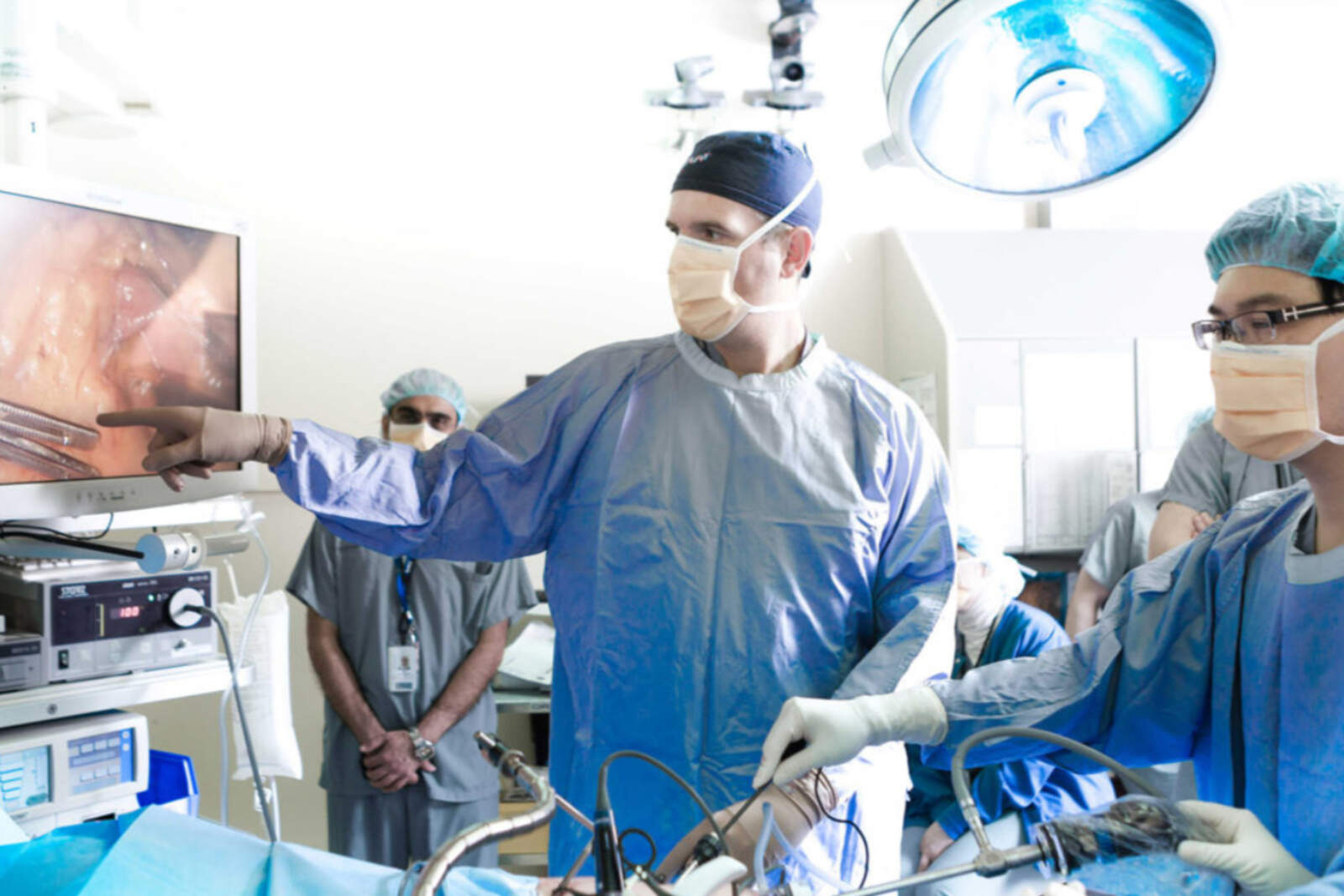
During the 2025 period, the province of Córdoba consolidated its healthcare leadership by recording a 15% increase in organ procurement. The Córdoba Organ Procurement and Transplant Coordination Agency reported that 113 operations were carried out compared to the 98 procedures performed in 2024. This positive trend made it possible to perform 153 organ transplants and 134 cornea transplants, improving the quality of life of hundreds of people.
The tissue category experienced extraordinary progress with 92% growth in cornea donations compared to the previous annual cycle. This exponential jump, which went from 26 to 50 donors, is the result of the implementation of new detection processes outside critical care units. By expanding the search to various clinical areas, the healthcare system managed to optimize the collection of grafts needed for patients.
A total of 31 medical institutions, both public and private, participated actively in these complex procurement processes. In the public sector, the Central de Río Cuarto, Nuevo San Roque, Misericordia, Nacional de Clínicas, and Tránsito Cáceres de Allende hospitals stood out. The Córdoba Hospital, the Niños Hospital, the Domingo Funes Hospital, the Urgencias Hospital, and the Dr Gumersindo Sayago Hospital in Villa Carlos Paz were also part of this network.
Se concretaron 113 operativos frente a los 98 procedimientos realizados en 2024
Healthcare centers and national records
The list of public facilities was completed with the Arturo Illía Hospital, the José Miguel Urrutia Hospital, the Príncipe de Asturias Hospital, and the Pasteur Hospital. These were joined by the Florencia Díaz Hospital, the Iturraspe Hospital in San Francisco, the Río Tercero health center, and the emblematic Rawson Hospital. Coordination among these sites enabled Córdoba to reach 398 total interventions, of which 231 correplied to various organs.
The private sector contributed its infrastructure through the Vélez Sarsfield Clinic, the Sanatorio Francés, the Hospital Privado, and the Reina Fabiola. The Sanatorio del Salvador, the Instituto Médico Río Cuarto, the Hospital Italiano, the Sanatorio Allende, and the Sanatorio La Cañada in Córdoba also joined. The list of providers was completed by the Santa María Clinic, the Sanatorio Alta Gracia, the Military Hospital, and the Raúl Ferreyra unit of APROSS.
At the federal level, the country surpassed the historical records prior to the pandemic by reaching 906 solid organ donation processes. This figure exceeded the 883 operations recorded in 2019, while in the area of tissues, 1,242 successful procedures were completed. At the national level, 4,497 total transplants were recorded, divided into 2,349 organ transplants and 2,148 specifically corresponding to corneas.
Córdoba alcanzó las 398 intervenciones totales, de las cuales 231 correspondieron a diversos órganos
Scientific vanguard and living donation
The year 2025 was etched in regional medical history when in October the Córdoba Hospital performed the first heart transplant from a donor in asystole. This cutting-edge technique makes it possible to use the cardiac muscle of donors whose heartbeat has ceased, expanding the frontiers of current medicine. Such a technical innovation redefines the limits of procurement and offers new hopes of survival for patients on waiting lists.
Of the total 398 procedures carried out in Córdoba territory, 167 interventions related to corneal tissue were particularly noteworthy. Civil solidarity also manifested strongly through the completion of 50 kidney transplants performed thanks to living, healthy donors. The healthcare system demonstrated great operational efficiency by coordinating these complex surgeries in hospitals distributed throughout the region.
The sustained growth of altruistic activity positions Córdoba as an undisputed benchmark in transplant medicine and applied bioethics. These results reflect a constant commitment to technological innovation and the continuous improvement of medical protocols in each institution. The consolidation of this healthcare model makes it possible to envision a future in which organ availability will be increasingly greater in order to save more lives.