The leader of Grupo Proaco targeted the 'whims' of those who are against urban renewal
Nuevo
Agregar La Derecha Diario en
Compartir:
Grupo Proaco's CEO and founder, Lucas Salim, described as "incoherent" the demand made by residents of the Cerro de las Rosas neighborhood who refuse progress and urban renewal.
The real estate developer from Córdoba criticized the demand made by those who request that the "residential character of the neighborhood" be preserved and at the same time demand storm drains, sewers, security, and improvements in green spaces.
"They have to understand that the rest of Córdoba's residents can't sustain their whim of rural life in the middle of the city," Salim stated on the social network X (formerly Twitter).
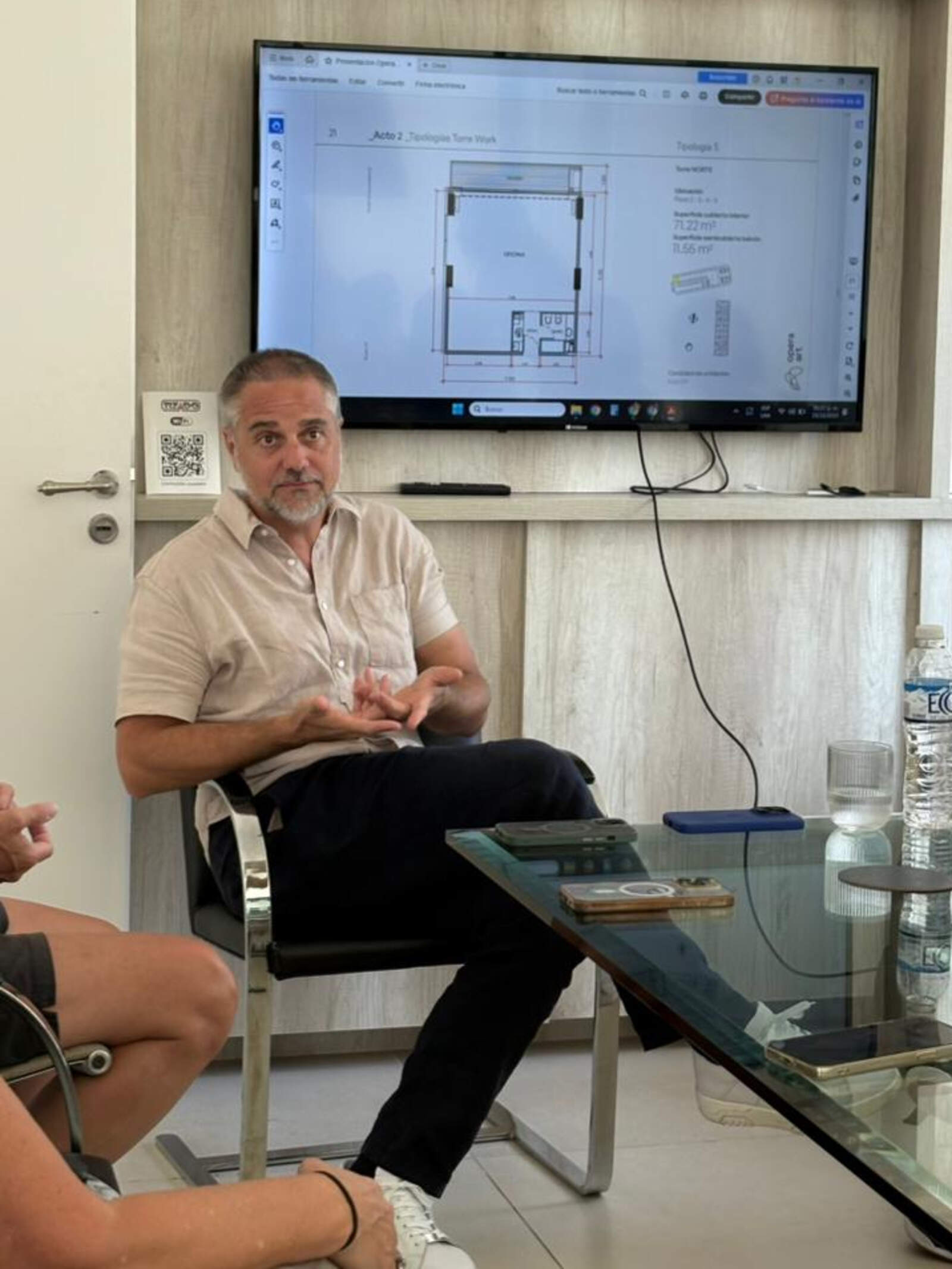
Lucas Salim, CEO de Proaco.
It is worth noting that, through the Neighborhood Center, a group of residents requested that densification be halted, that new urban developments be controlled, that improvements be made to the sewer network, that traffic be organized, that commercial activity be regulated, and that green spaces be maintained, among other demands.
The ridiculous demand made by the Cerro de las Rosas Neighborhood Center that prevents progress
Nevertheless, the demand doesn't have full support, because there are those who support the neighborhood's progress with new buildings and better services. There are currently many constructions on large lots that used to be inhabited by large families. Now they are not.
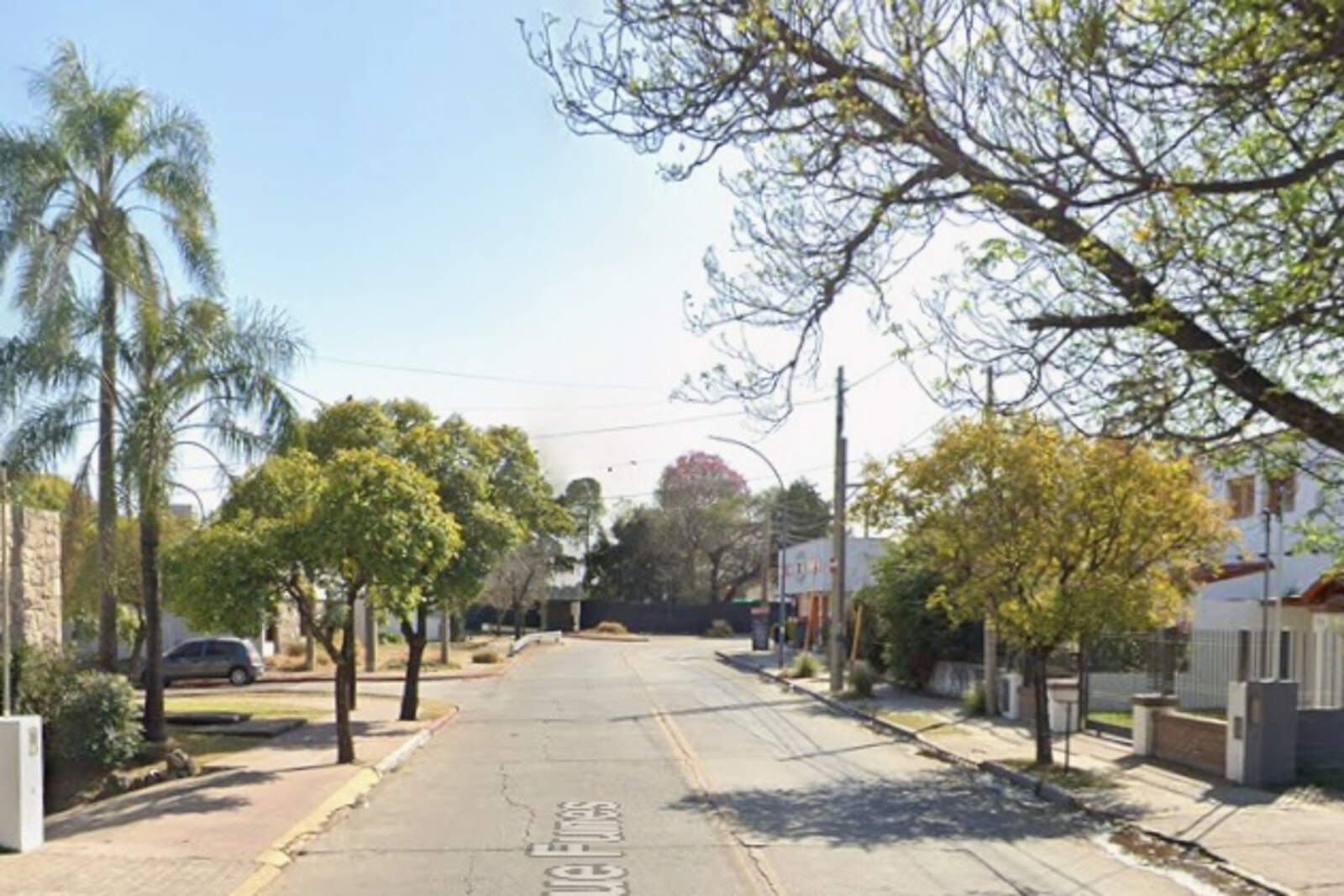
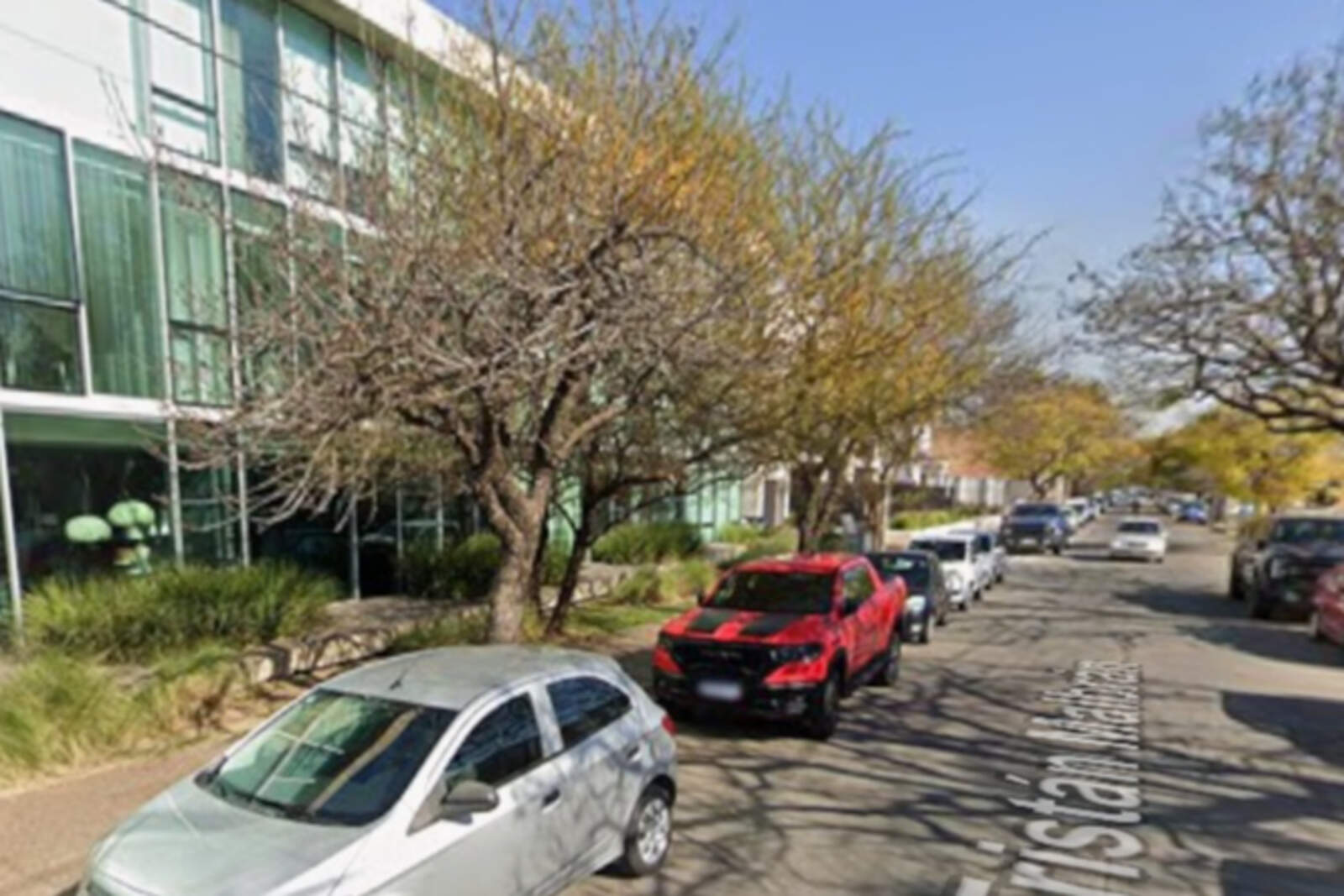
Barrio Cerro de las Rosas, de Córdoba.
Lucas Salim keeps that the way to sustain all services is with more buildings and more residents.
"There are two ways to have a neighborhood with full services and top-level infrastructure and with high security standards. The alternative chosen by most of the world is densification, that is, more residents, more built square meters and urban renewal," he stated.
Proaco's CEO clarified that this makes it possible to improve revenue collection and in this way to have better services and infrastructure without raising taxes.
Barrio Cerro de las Rosas, de Córdoba.
"The second option, which seems to be the one chosen by the neighborhood centers of the city's traditional neighborhoods, is to raise taxes in those neighborhoods fourfold or fivefold in order to sustain the quasi-rural life that they propose," he added.
He concluded in forceful fashion: "The day they are charged what corresponds to them both in taxes and for services, the discussion will be over. Those who want to stay in the middle of the city on 500, 1,000, and even 2,500 m2 (5,382, 10,764, and even 26,910 square feet) lots should pay taxes like the millionaires they are or believe they are... But the rest of the citizens can't sustain them."
"Enough of demanding parks, plazas, services, infrastructure, and paying taxes that do not allow for it," he concluded.