The presentation of the 2026 Budget reveals a decisive shift in local management, which now adopts fiscal balance as a priority in response to widespread demands. Municipal authorities emphasized that next year's accounts will not show a deficit, something that hasn't happened in seven years. The financial plan anticipates revenues and expenditures equivalent to 1.48 trillion pesos (3.26 billion pounds) and proposes a majority allocation toward current commitments.
The Secretariat of Public Administration and Human Capital explained that the budget allocates 84% of resources to the municipality's operations, assigning the remainder to public works and capital goods. This design is presented as the outcome of a progressive correction that, since 2019, has sought to contain a deficit that at that time stood at 8.4%. The fiscal structure now relies on the premise that the city must meet its obligations without depending on debt.
The Córdoba Executive recalled that the municipality has already paid off more than 95 million dollars of the international bond issued in 2016, and that in 2026 another 43 million will be paid. Meanwhile, they highlighted that Moody’s rating agency valued the improvement in operating margins and the moderation of indebtedness, which is linked to a less expansive framework. The political context, marked by La Libertad Avanza's electoral victory, has also consolidated a citizen demand for greater austerity.
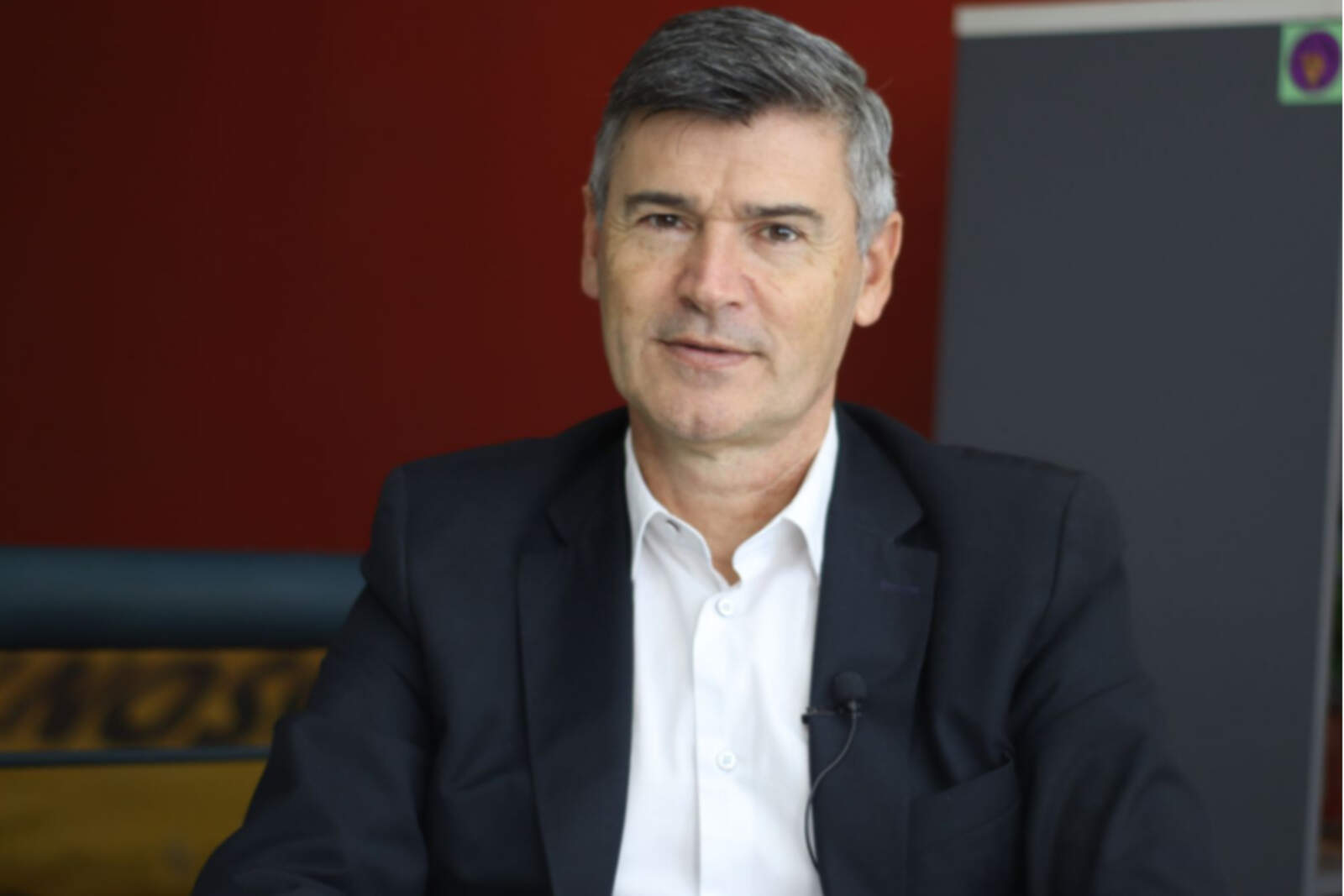
Daniel Passerini, intendente de Córdoba
Tax reduction to boost economic activity
One of the project's main points is a 30% reduction in all rates of the general Commerce and Industry regime, which will reach 85% of the local registry. The measure covers about 20,000 companies that will see direct relief in their tax obligations, where tax pressure conditions investment. The municipality confirmed that there will be no increases in minimums by activity, which deepens the benefit for small and medium taxpayers.
The tax scheme of the Budget also includes targeted cuts in specific sectors, with a 17% reduction for financial entities and a 50% reduction for ARTs. Authorities stressed that this redesign seeks to support economic dynamics without undermining revenue, taking advantage of the fiscal order achieved in recent years. The change responds to the social climate that demands real incentives for production and less tax burden on essential activities.
The Urban Real Estate tax will maintain the values in effect as of December 2025 and will adjust by CPI from 2026, which means no real increases above inflation. The Automotive tax will maintain rates without changes, updating only the ACARA table by 15% to avoid abrupt jumps that affect taxpayers. These decisions aim to provide tax predictability in a scenario where fiscal stability is perceived as a basic requirement for investment.
El Presupuesto incluye una reducción del 30% en todas las alícuotas del régimen general de Comercio e Industria
Regulations to promote investment and organize public spending
The 2026 Budget regulates Ordinance 13,562 and activates the Regime for the Promotion of Productive Activities, aimed at strategic industries. In addition, it guarantees fiscal stability for ten years for ventures linked to sectors such as tourism, health, urban development, and industry, avoiding rate increases and even allowing for future reductions. The initiative enables a framework that encourages investment without compromising the balance of public accounts.
The project also formally repeals the Health Emergency, while the Economic Emergency will remain in effect until the total cancellation of the outstanding external debt. The Transport Emergency will remain operative due to the system's situation, although under a more controlled framework. These changes aim to organize regulations accumulated over the past decade and adapt them to a less critical fiscal stage.
The proposal includes a budgetary simplification that eliminates 21 programs and reduces 111 budget items, with the goal of making spending administration more transparent and agile. In addition, it establishes that municipal entities may not add permanent staff without authorization from the Executive. The Córdoba City Council will begin debate in the coming days, in a context where society demands less superfluous spending and greater efficiency in the use of public resources.