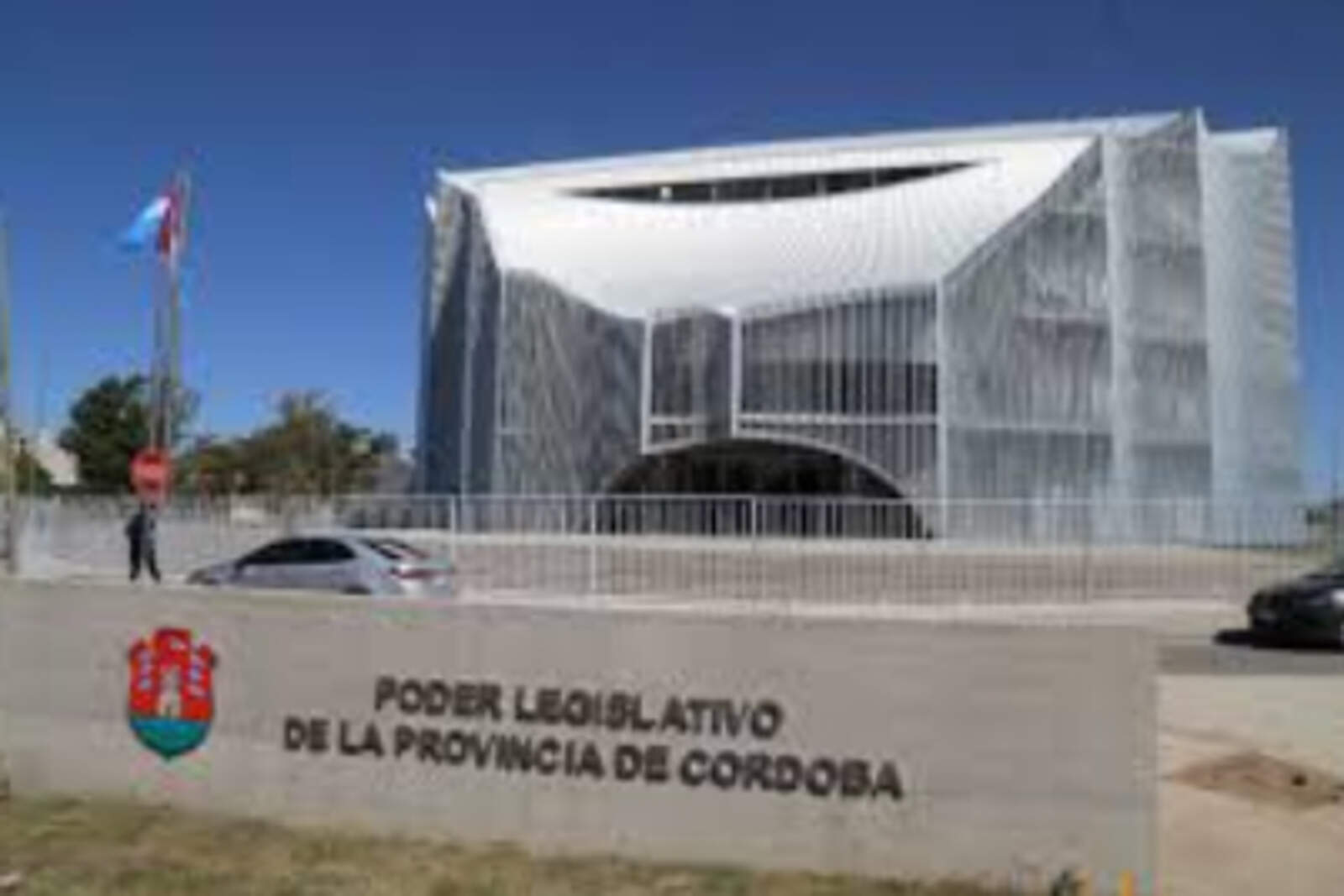
The 2026 Budget project will be presented to the Legislature with a proposal that combines tax caps aligned with projected inflation and targeted reductions for Urban Property Tax. The initiative incorporates guidelines that prioritize a scheme of lower tax pressure for taxpayers and productive sectors, in line with administrative austerity criteria. According to preliminary documents, the plan sets Urban Property Tax increases below 29% and introduces reductions for 41% of the affected accounts.
The released drafts detail that the universe of 1,196,000 Urban Property Tax accounts will have limits adjusted to the estimated inflation rate for the year. Nearly 500,000 taxpayers will see nominal decreases of up to 25% compared to what was paid in 2025, which implies real reductions that could reach 54%. Meanwhile, around 150,000 property owners will maintain the same nominal amount, representing a real reduction of 29% after accounting for projected inflation.
Another 250,000 accounts, equivalent to 21% of the total, will have updates that will follow inflation, so they will not experience real increases during 2026. Additionally, about 310,000 taxpayers will have increases below 29%, which will mean lower payments compared to the previous year. Authorities specified that accessing these benefits will require being up to date with tax obligations, with an estimated fiscal cost of 200 billion pesos ($200 billion).
El proyecto será presentado ante la Legislatura
Impact on the agricultural sector and the provincial tax structure
The Rural Property Tax, whose previous update caused complaints, will also have a 29% cap to avoid distortions in production costs in the provincial interior. The scheme provides that 98% of the revenue will be allocated to the Agricultural Development Fund for infrastructure works aimed at the sector. In addition, an additional 5% discount is included for producers who work their own fields and the 30% benefits for compliant taxpayers and incentives for Good Agricultural Practices are maintained.
The official estimate indicates that the tax relief for the agricultural sector will have a cost close to 250 billion pesos ($250 billion) during the next year. Meanwhile, significant changes are also projected in Gross Income Tax, a tax that, together with Stamp Tax, accounts for 80% of provincial revenue and will have specific reductions for small businesses. The scheme establishes that 64% of businesses with income below 88,100,000 pesos ($88,100,000) will go from paying 3.5 to 2.5 points.
The program also incorporates an Industrial Promotion Law that will set zero Gross Income Tax for companies billing less than 3.2 billion pesos ($3,200,000,000) and allocating at least 1.2% of income to investment. A Territorial Equality Law is also added, which provides for exemptions of up to 100% for those who invest in the northwest or far south of the province. The provincial Executive will allocate 5% of Gross Income Tax revenue for this regional development, while the total fiscal cost for reductions will reach 450 billion pesos ($450 billion).