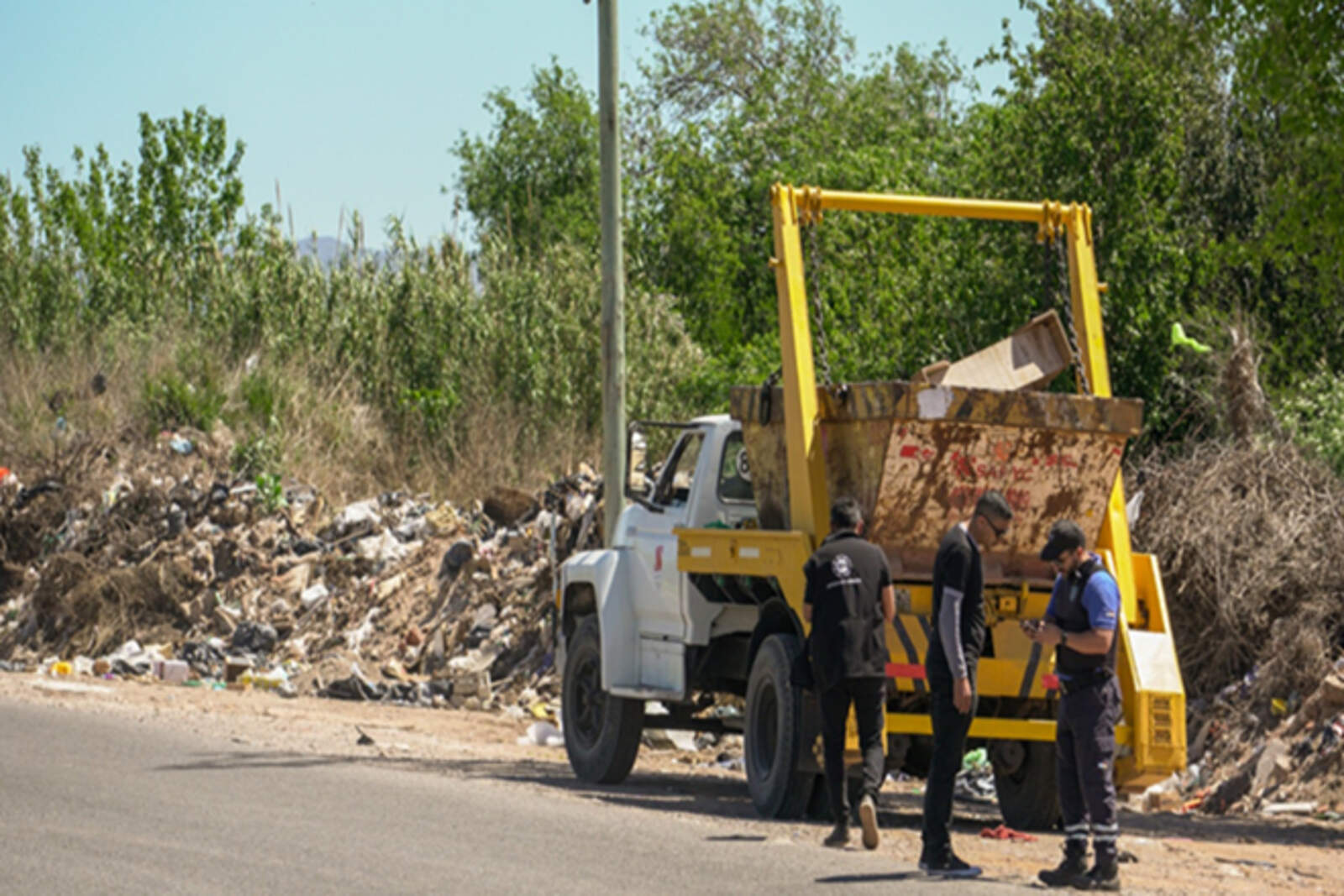
The Municipality reported that in September, 31 citations were issued for improper disposal of waste and illegal dumping in vacant lots and dumpsites in the city. All case files recorded the data of the transport vehicles, which will be sanctioned according to the new Code of Coexistence. The updated regulation provides for fines with increases of up to 1000%, an increase that the Executive presents as a strong response to the issue.
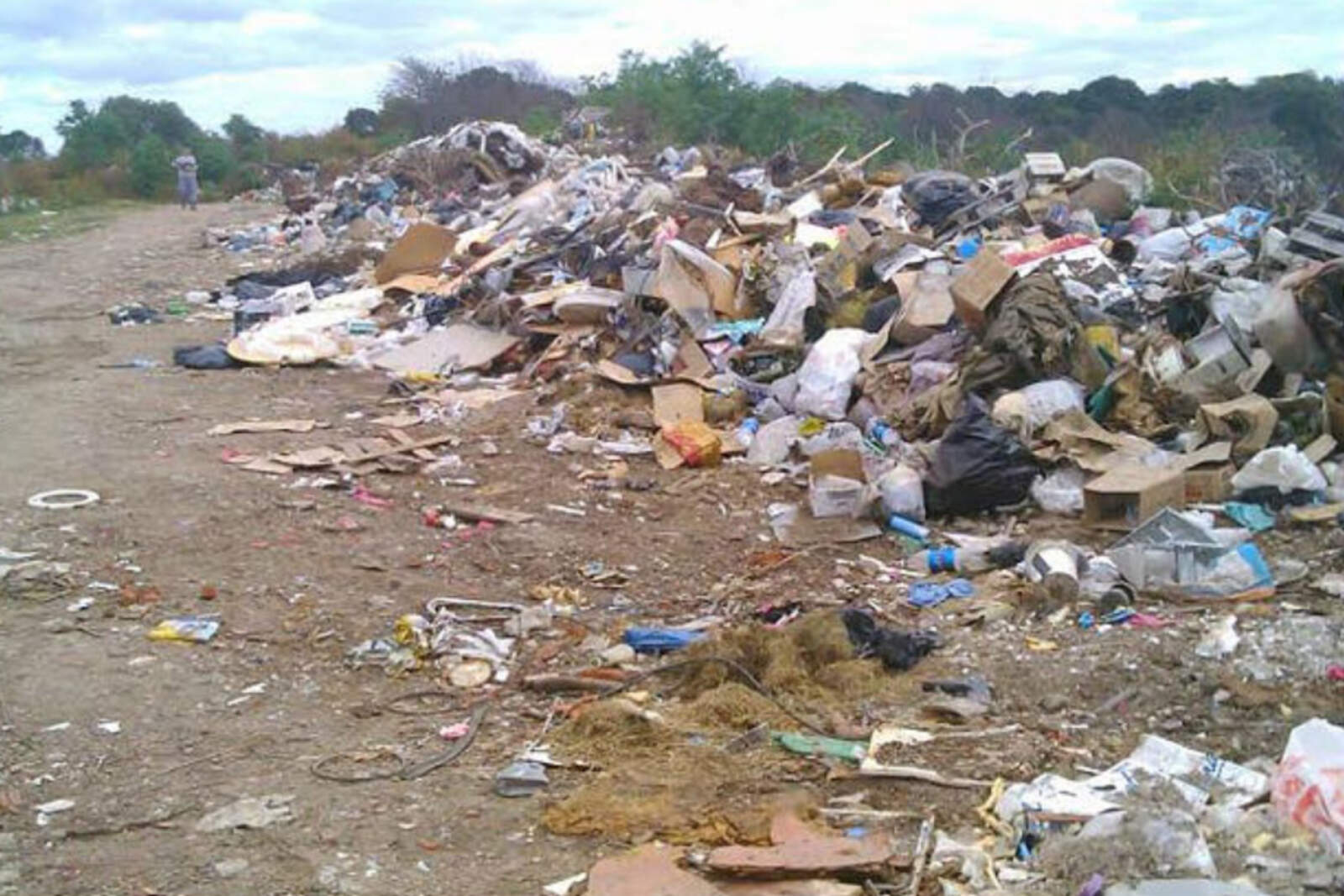
Six violations were detected at the dump on Spilimbergo Avenue and Vito Remo Roggio, a large area in the northern part of the capital with daily cleaning. Other hotspots resulted in six citations on the road to Chacra de la Merced, three on La Donosa Avenue, and two in Nueva Córdoba. The rest of the actions correspond to inspections distributed throughout neighborhoods that, nevertheless, continue to show accumulated waste and repeated dumping.
The sanctioning modification arises from ordinance 13,543 and uses a Municipal Economic Unit (UEM) valued at $10,808 for the calculation of fines. The amounts collected will be allocated to the Environmental Recovery and Dumpsite Sanitation Fund, although the measure comes after years of neighborhood complaints. To report, you can contact the Institute for Environmental and Animal Protection or the Urban Hygiene Directorate by official phone numbers or emails.
Se detectaron múltiples infracciones en varias zonas de la ciudad
Residents and companies identified, but the filth returns
The statistic of 31 citations exposes the persistence of the problem rather than a definitive solution, since the recurrence of violations demonstrates inefficient and short-term municipal management. Raising fines on paper is one thing, but the real reduction of illegal dumping requires that sanctions be enforced and not remain as citations that are never executed. Meanwhile, the properties and access points become filled with waste again as quickly as they are cleaned.
Identifying transport vehicles facilitates the application of administrative sanctions against companies or drivers involved in illegal transport, but delayed procedures slow down the effectiveness of the response. The increase of up to 1000 percent in fines may discourage the practice, but it also risks shifting costs without solving the mechanics of the problem. At the Spilimbergo dump, the weekly cleaning, which involves almost one truck per day, acts more as a patch than as a structural solution.
The resources that enter the Environmental Recovery and Dumpsite Sanitation Fund will be used for remediation and monitoring despite public distrust. Given the persistence of the problem, public assessment is blunt: Córdoba accumulates waste, and the local administration has yet to demonstrate that it can stop the routine of illegal dumping.