The ruling party is reorganizing its internal structure and retaining Siciliano despite his election as a deputy, a decision that is generating criticism for the testimonial use of the position
Compartir:
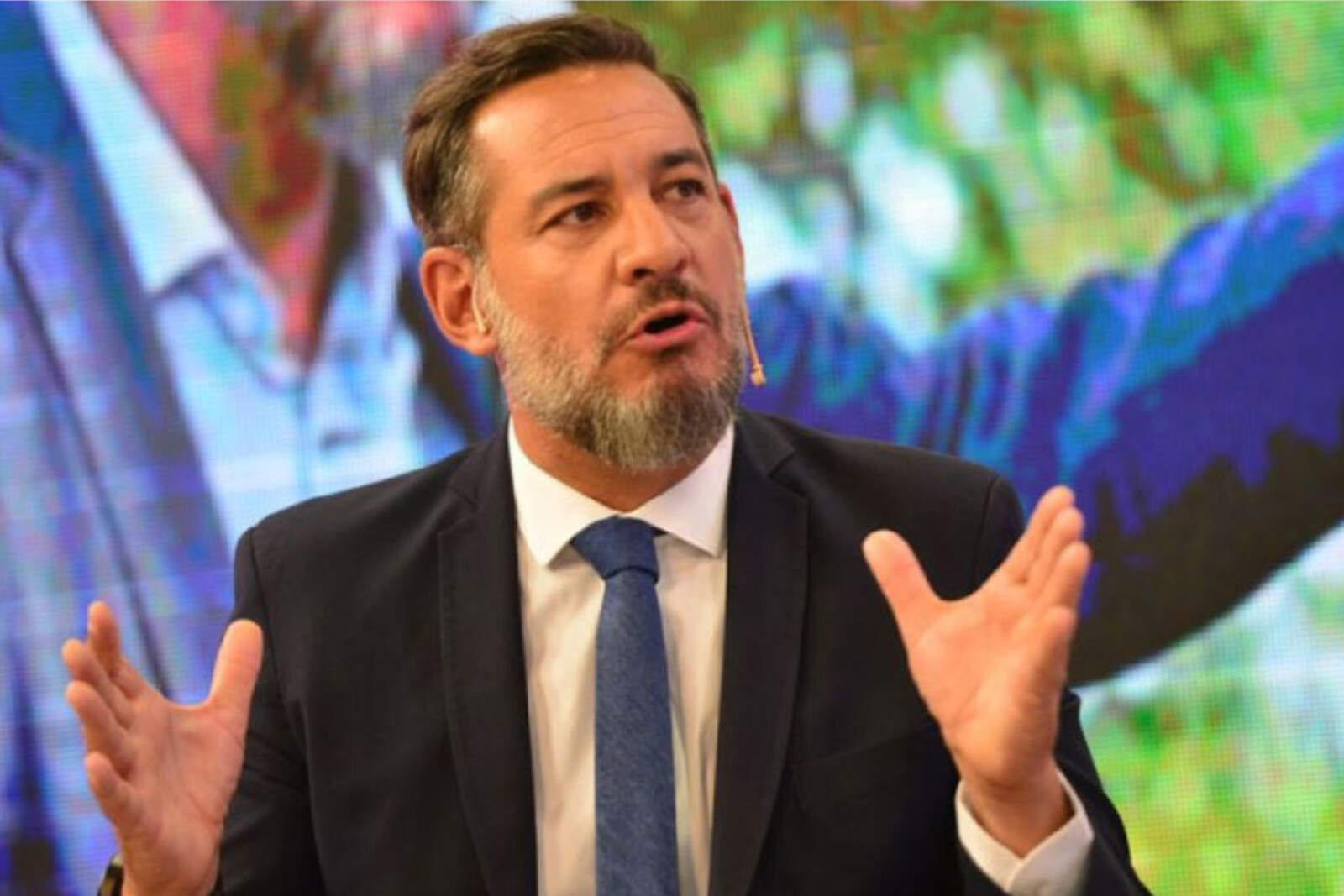
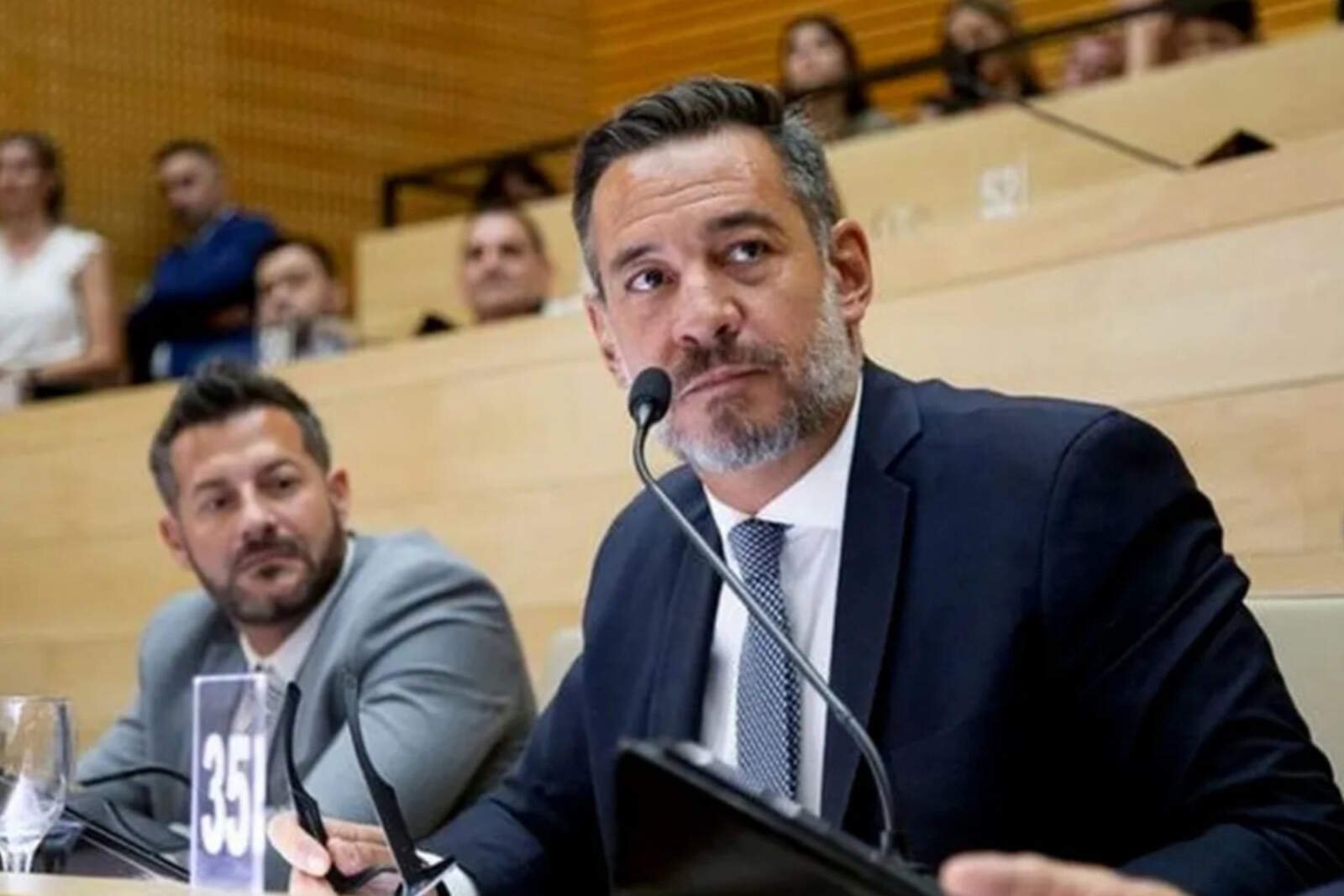
The decision to retain Miguel Siciliano in Córdoba has reshaped the provincial political landscape and raised questions about the validity of his legislative seat. The leader had been elected as a national deputy but will not take office, which reignites criticism regarding the testimonial use of positions before the public. His incorporation into a "super ministry" demonstrates a move that prioritizes territorial strategy over the electoral commitment undertaken.
Officials confirmed that an expanded structure will be created to absorb political, community, cultural, and youth areas of the administration. The new body will seek to strengthen the provincial presence in the Capital and act as a direct coordination hub through 2026. The maneuver involves recentralizing functions that were previously distributed among multiple ministries and agencies.
Siciliano's presence at the Businessperson of the Year dinner accelerated rumors about his political future within Córdoba. There, he was questioned by various leaders regarding his national role and avoided confirmations despite already knowing the decision. The announcement consolidates a framework that prioritizes party engineering over the commitments made to the electorate in the recent elections.
La decisión de retener a Miguel Siciliano en Córdoba reconfiguró el mapa político provincial y abrió cuestionamientos sobre la validez de su banca legislativa
Expanded structure and territorial control objectives
The new ministry will integrate community engagement, internal communication, and political coordination areas with a presence throughout the province. The initiative aims to strengthen the ruling party's territorial structure in a key year for internal decisions in 2026. The decision is interpreted as an attempt to increase political control in the Capital under unified leadership.
Llaryorismo seeks to strengthen a political leadership framework with direct presence in the city of Córdoba. The strategy is aimed at consolidating a project that requires territorial order to sustain its projection toward 2027. The creation of the mega ministry confirms that the ruling party prioritizes internal cohesion over the stability of previous institutional structures.
El llaryorismo busca afianzar un esquema de conducción política con presencia directa en la ciudad de Córdoba.
Youth, Culture, and the struggle for internal leadership
Youth and Culture areas would be incorporated into the new ministerial space, according to ruling party sources. Both departments played a prominent role during 2025 and were placed under review to adjust operational and budgetary criteria. The merger will generate a reorganization that will impact the development of community policies throughout the province.
While the formation of the new ministry progresses, the discussion arises over who will lead the Cordobesista bloc after Siciliano's departure. Facundo Torres appears to have an advantage to head the caucus in the Legislature and maintain internal cohesion in a sensitive year. However, some leaders mention the possibility of shared leadership with Marcelo Eslava to balance tensions.
The decision to remove Siciliano from Congress and concentrate him in an expanded space has left questions about the immediate future of Cordobesismo. The move alters the political agreements that emerged from the last election and redefines priorities within the provincial government. The ministerial reorganization demonstrates a strategy that prioritizes territoriality over national institutional representation.
La decisión se interpreta como un intento de aumentar el control político en la Capital bajo una conducción unificada.