Driven by good prices, technology, and efficient private management, sunflower is regaining prominence in the fields of Córdoba
Nuevo
Agregar La Derecha Diario en
Compartir:
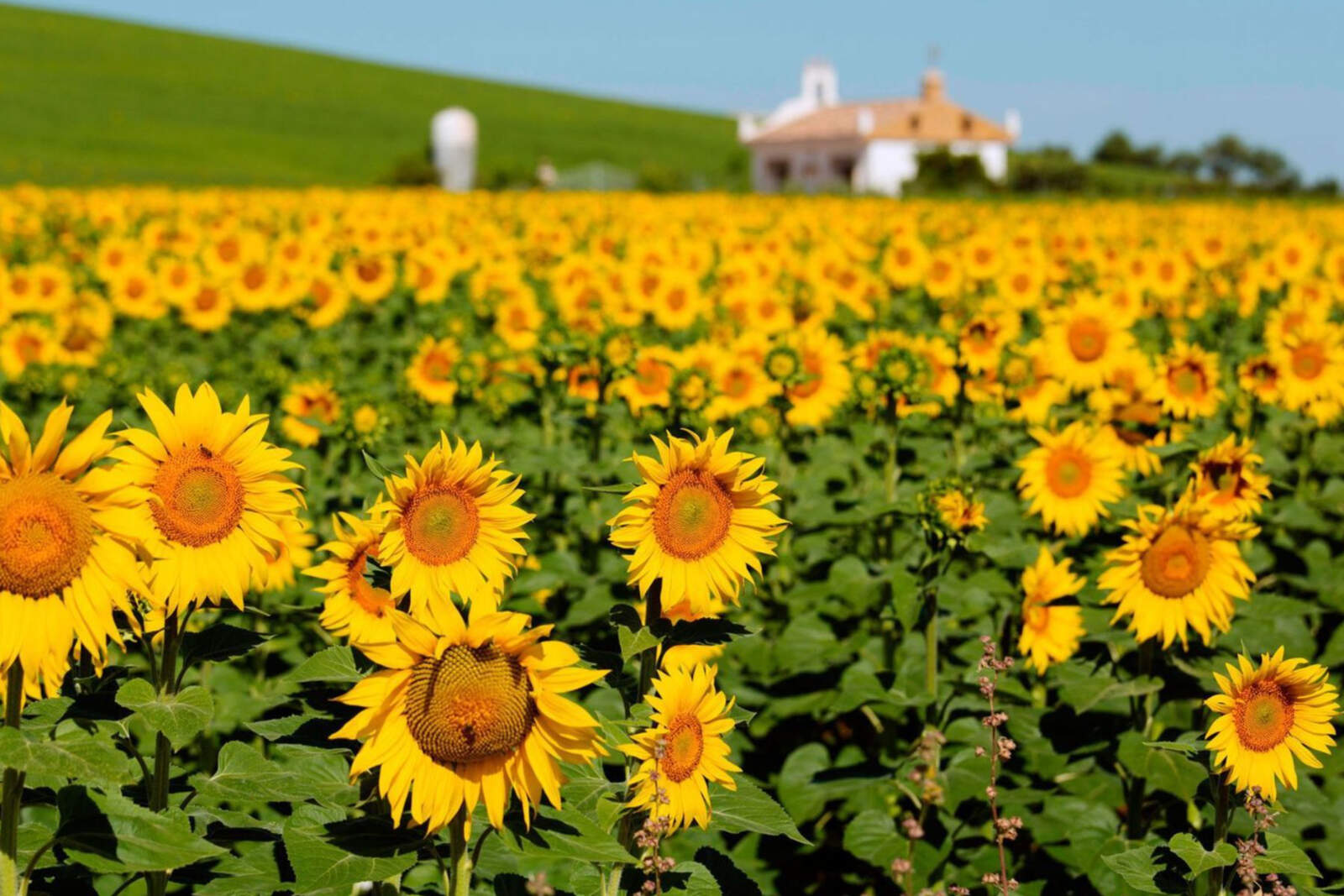
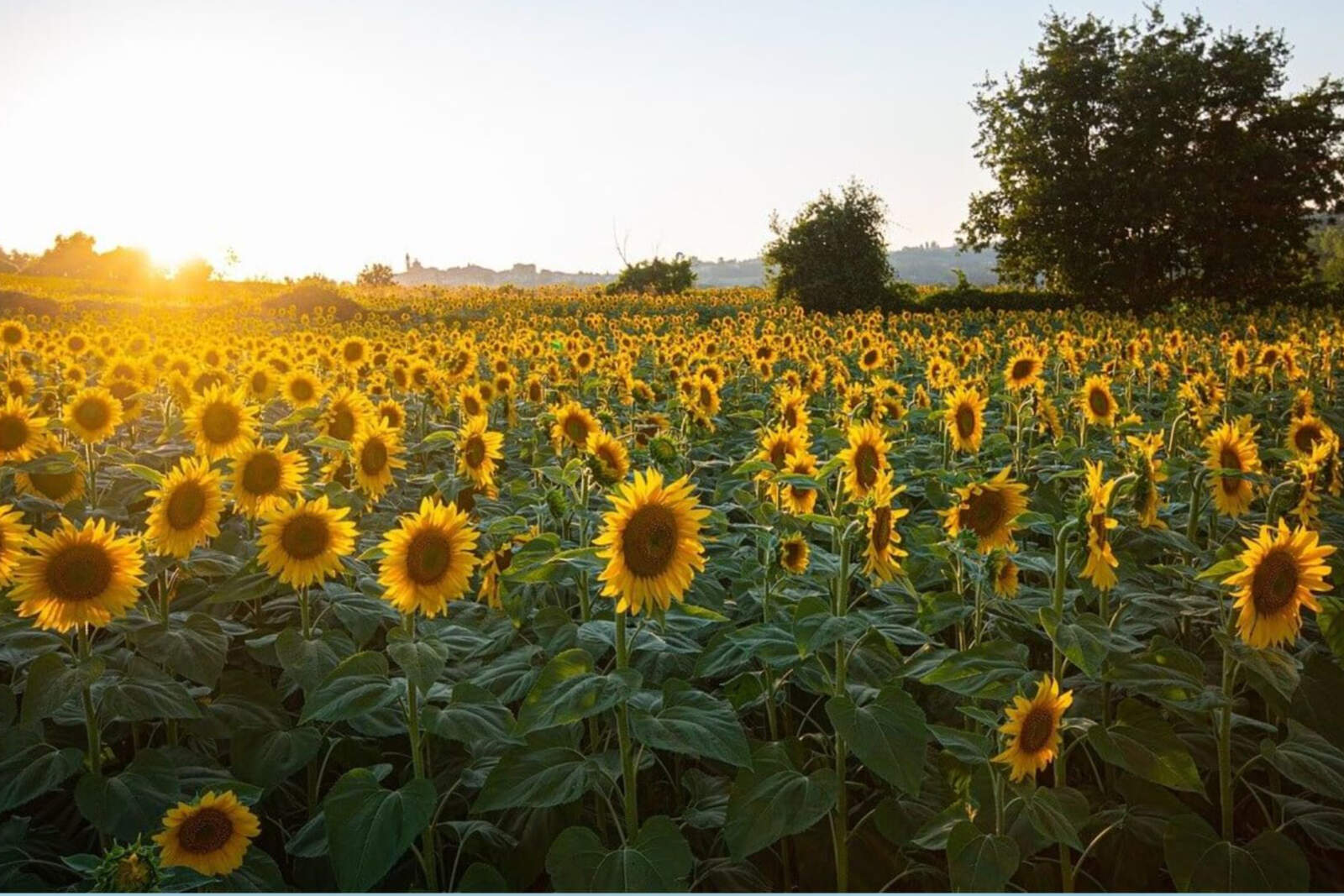
Sunflower is experiencing its best moment in over a decade in the province of Córdoba, according to data from the Grain Exchange. What was once a crop relegated to marginal plots has now become a profitable and strategic option for producers. Genetic advances, good prices, and efficient management explain its remarkable expansion.
The institution projects an increase of between 15% and 20% in the planted area, with a strong presence in San Justo, Río Segundo, General San Martín, and Unión. In these regions, yields exceed expectations and confirm a favorable climate adaptation. "Sunflower is back to stay," producers and technicians agree.
Good results are arriving in a context where private innovation makes the difference. Without subsidies or regulations, the crop is positioned on its own merit and management capacity. In areas that had abandoned sunflower due to unviability, it is now returning as a safe and profitable alternative.
La entidad proyecta un aumento de entre el 15% y el 20% en la superficie sembrada, con fuerte presencia en San Justo, Río Segundo, General San Martín y Unión.
Producers committed to efficiency
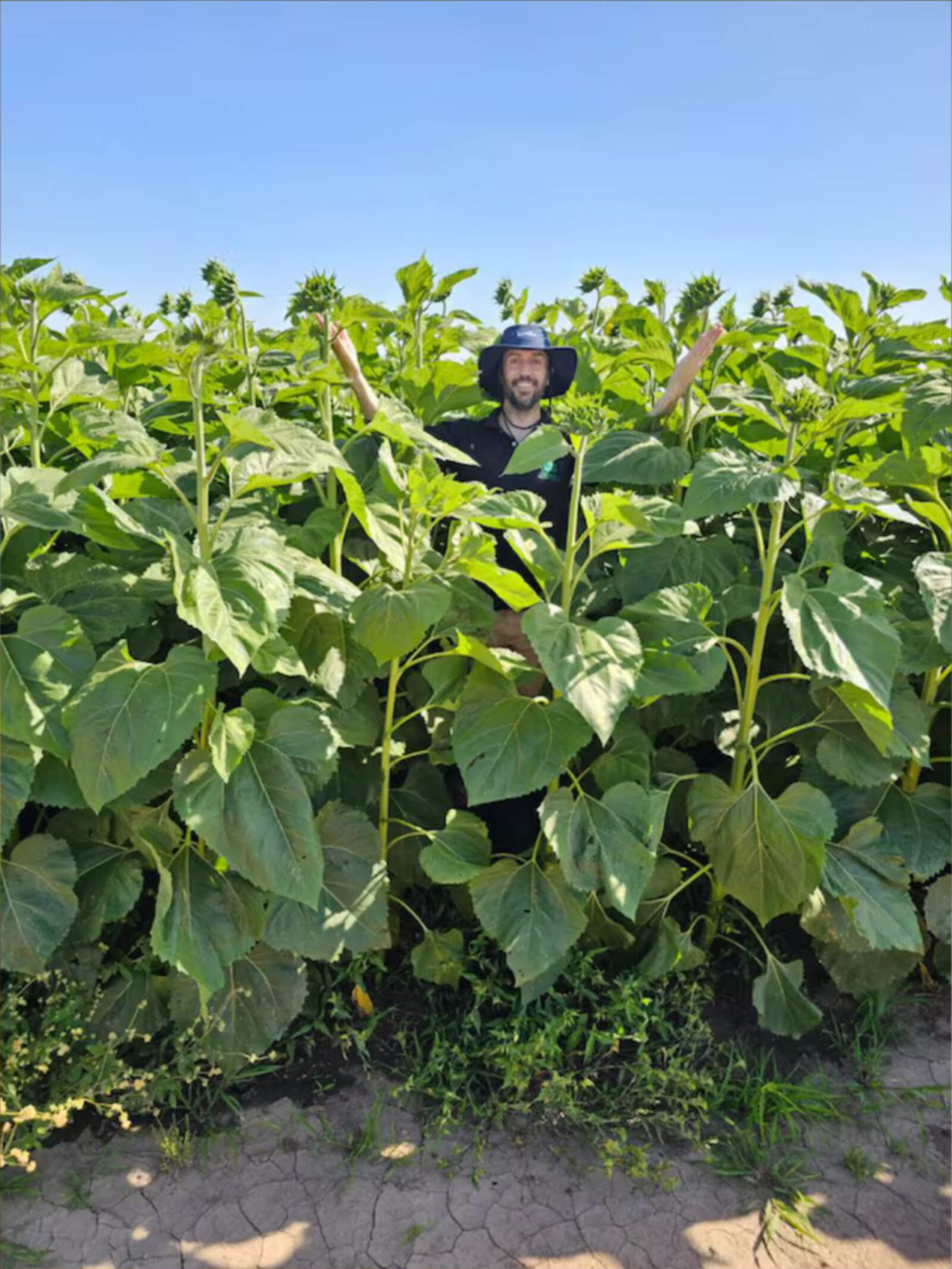
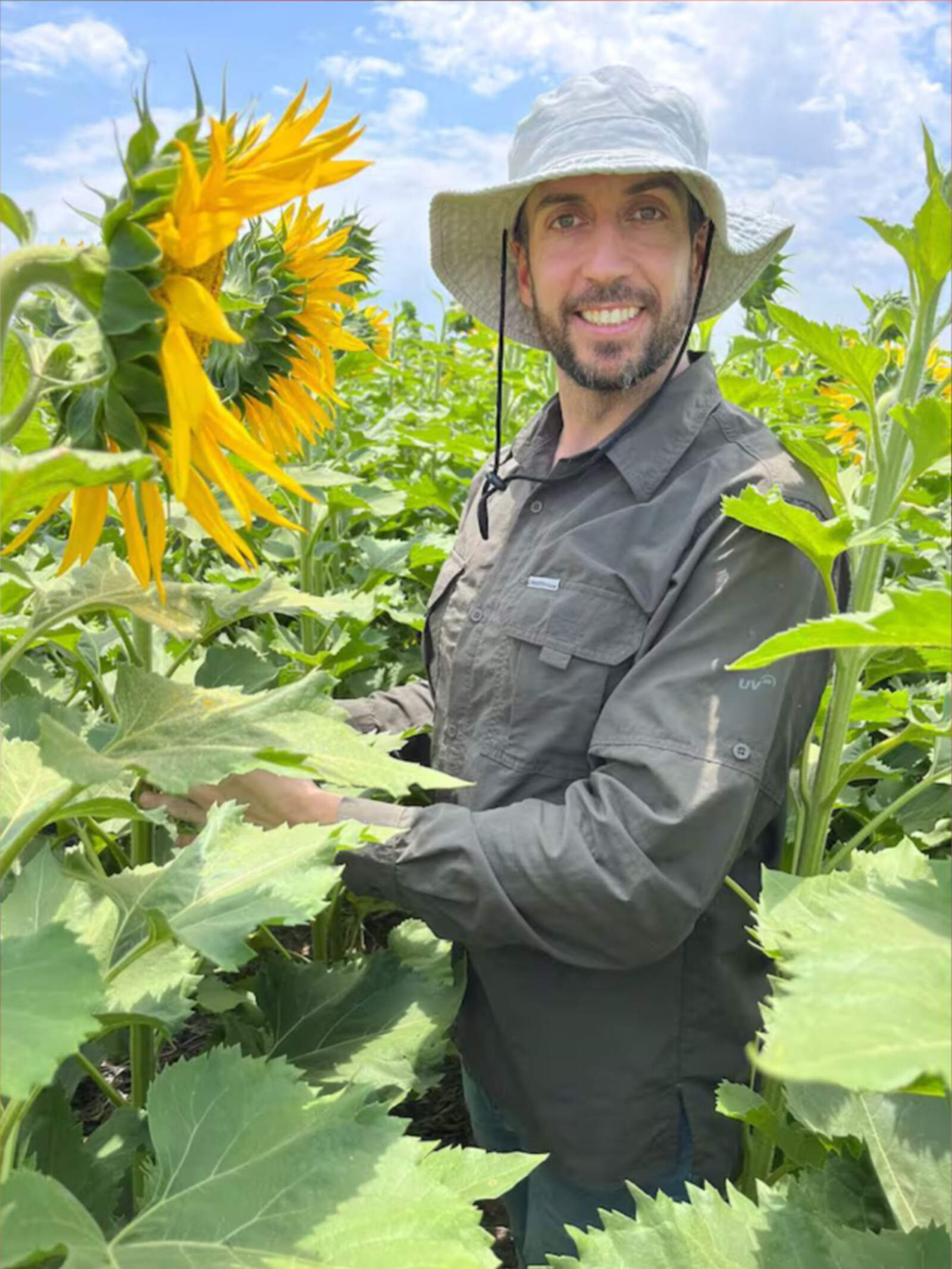
In El Tío, near Arroyito, agronomist Francisco Revol from ACI Agro resumed sunflower cultivation after more than ten years. "In 2009, we had abandoned it because of pigeons, but today technology has changed everything," he explained. This year, he planted 2,400 hectares with NK 3970 and NK 3969 hybrids, achieving yields of 31 quintals per hectare and bonuses of 28% for oil content.
Revol emphasized that early planting was key to achieving that result. "Clearing the plot in March allowed us to plant wheat in excellent conditions and make better use of rotation," he indicated. The producer stressed that business decisions and technical management weigh more than any government program.
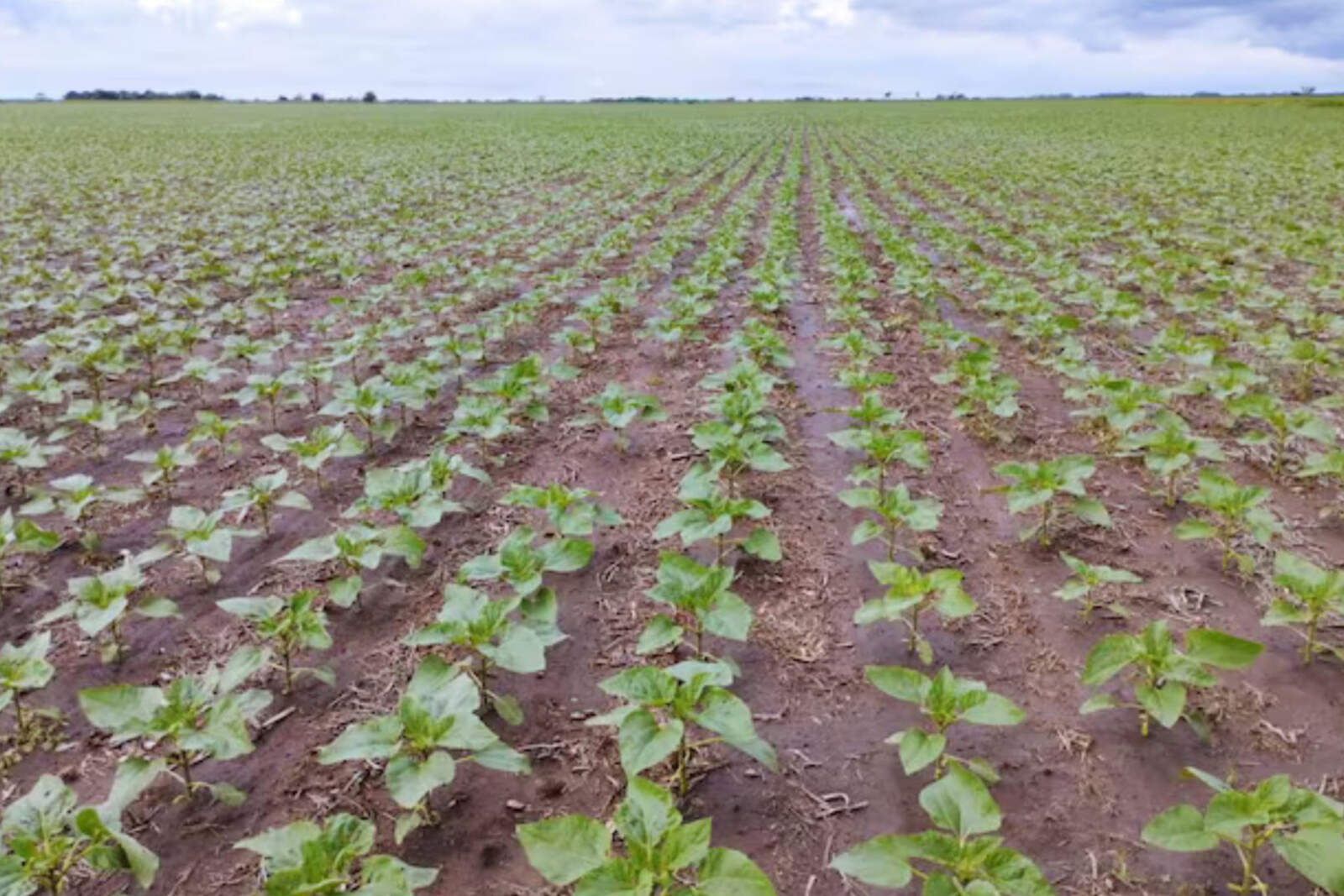
In San Francisco, agronomist Martín Demarchi advises farms that plant between 1,000 and 1,500 hectares of sunflower. "For years, it was the forgotten crop, but by planting it in the best plots and with good nutrition, the results were immediate," he commented. His high-efficiency approach includes intensive fertilization and two planting dates.
“En 2009 lo habíamos abandonado por las palomas, pero hoy la tecnología cambió todo”, explicó el ingeniero agrónomo Francisco Revol
High technology and genetics driving change
The new hybrids feature sturdy stems and inclined heads, which reduce losses from birds and lodging. "Previously, pigeon damage was devastating; today, it is minimal," Revol pointed out. Genetic advances have also improved plant health, with resistance to stem canker, head rot, and verticillium.
Demarchi agreed that technology marked a turning point. "Modern sunflower is competitive because it combines genetics, management, and profitability," he said. In his latest season, they exceeded 35 quintals per hectare, reflecting professional and precise agriculture.
Producers highlight that the results are the fruit of private investment and technical management, not external interventions. "The countryside grows when it is allowed to produce," Revol summarized. For them, predictability and economic freedom are the best tools to sustain progress.
En San Francisco, el ingeniero Martín Demarchi asesora campos que siembran entre 1.000 y 1.500 hectáreas de girasol.
Profitability and a promising future
Bonuses for oil content, which exceed 20% of the base yield, are boosting sunflower compared to soybean and corn. Its short cycle and low water consumption make it ideal for semi-arid areas and regions with logistical limitations. Córdoba is thus positioned as the epicenter of a historic sunflower campaign.
Technicians emphasize that the crop provides sustainability and predictability to crop rotation. "There are no magic formulas, there is work and decision," they highlighted. The 2025/2026 season confirms that productivity arises from effort, not from welfare policies.
With firm international prices and yields exceeding 30 quintals per hectare, sunflower is no longer a marginal bet. "It is back to stay and thanks to private management," specialists agree. Córdoba's growth is being built, once again, from the countryside.
“Durante años fue el cultivo olvidado, pero al llevarlo a los mejores lotes y con buena nutrición, los resultados fueron inmediatos”, comentó.