

The Municipality of Córdoba has confirmed that, starting November 25, the regulation legalizing transportation apps will come into effect. Uber, DiDi, Cabify, and inDrive will be able to operate under a system that requires registration, technical inspections, and authorized licenses. The municipality aims to put an end to years of irregular operations with a transparent and modern framework.
The decision responds to a reality already established in the city: thousands of Córdoba residents choose to travel daily using digital platforms. Technology has transformed urban mobility and increased competition, offering transparent pricing and traceability for every trip. For the municipality, it was unsustainable to maintain the ban while users massively turned to apps.
Despite this, the taxi and remis drivers' union is threatening to return to the streets in protest. Instead of adapting to the new market rules, the unions insist on maintaining privileges from an outdated model.
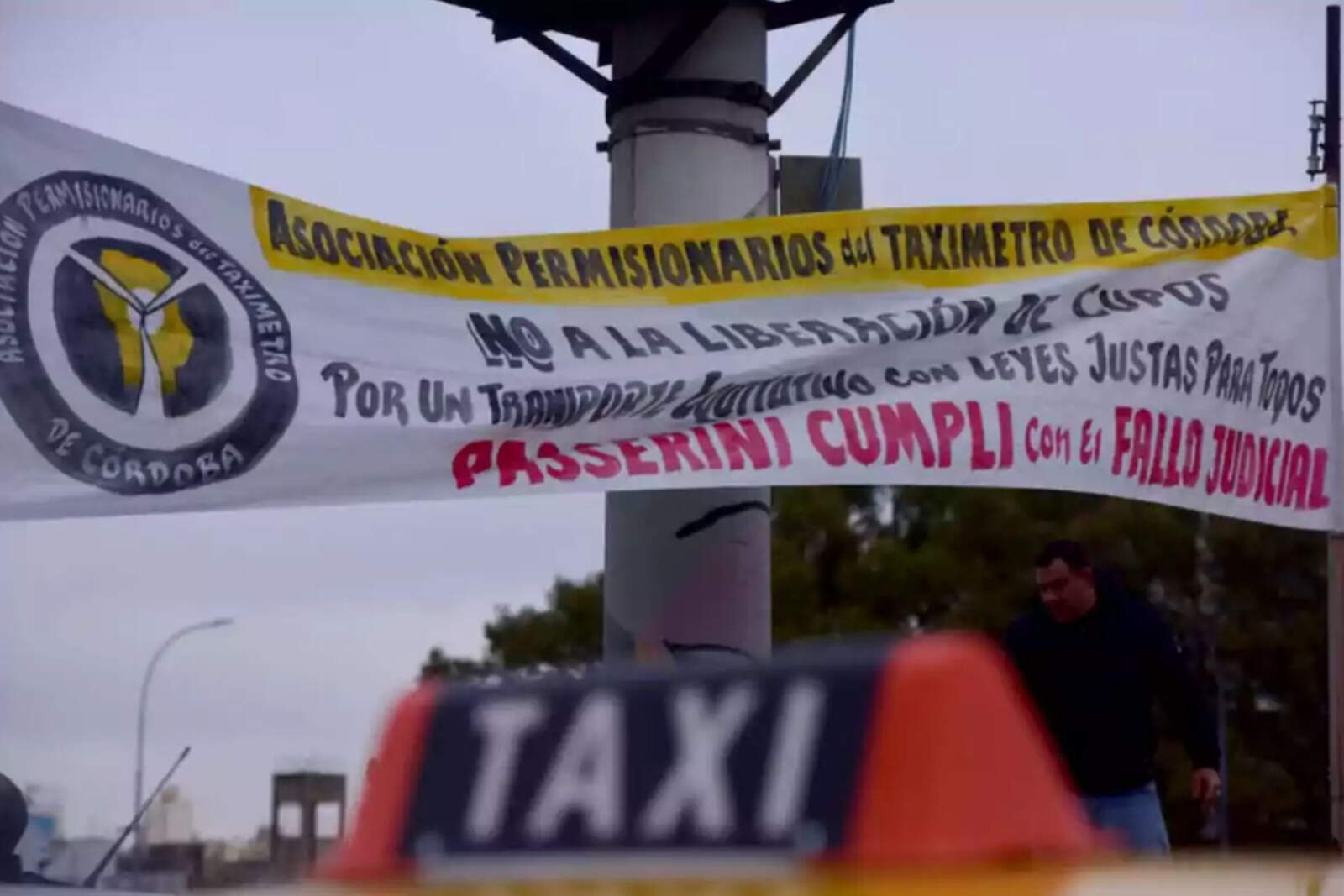
A union resisting modernization
Miguel Arias, head of the Taxi Drivers' Union, expressed his opposition to the measure and warned about alleged "job losses." However, official data show that the number of trips made through apps far exceeds those of the traditional system. Users prioritize efficiency, safety, and the freedom to choose how to get around.
Arias argued that the regulation "legalizes what is illegal" and claimed that vehicles from the platforms "are not in proper condition." The truth is that the new regulation requires authorizations, insurance, and technical inspections, the same requirements that apply to taxis and remises. The union's argument seems more like an attempt to retain power than a defense of public service.