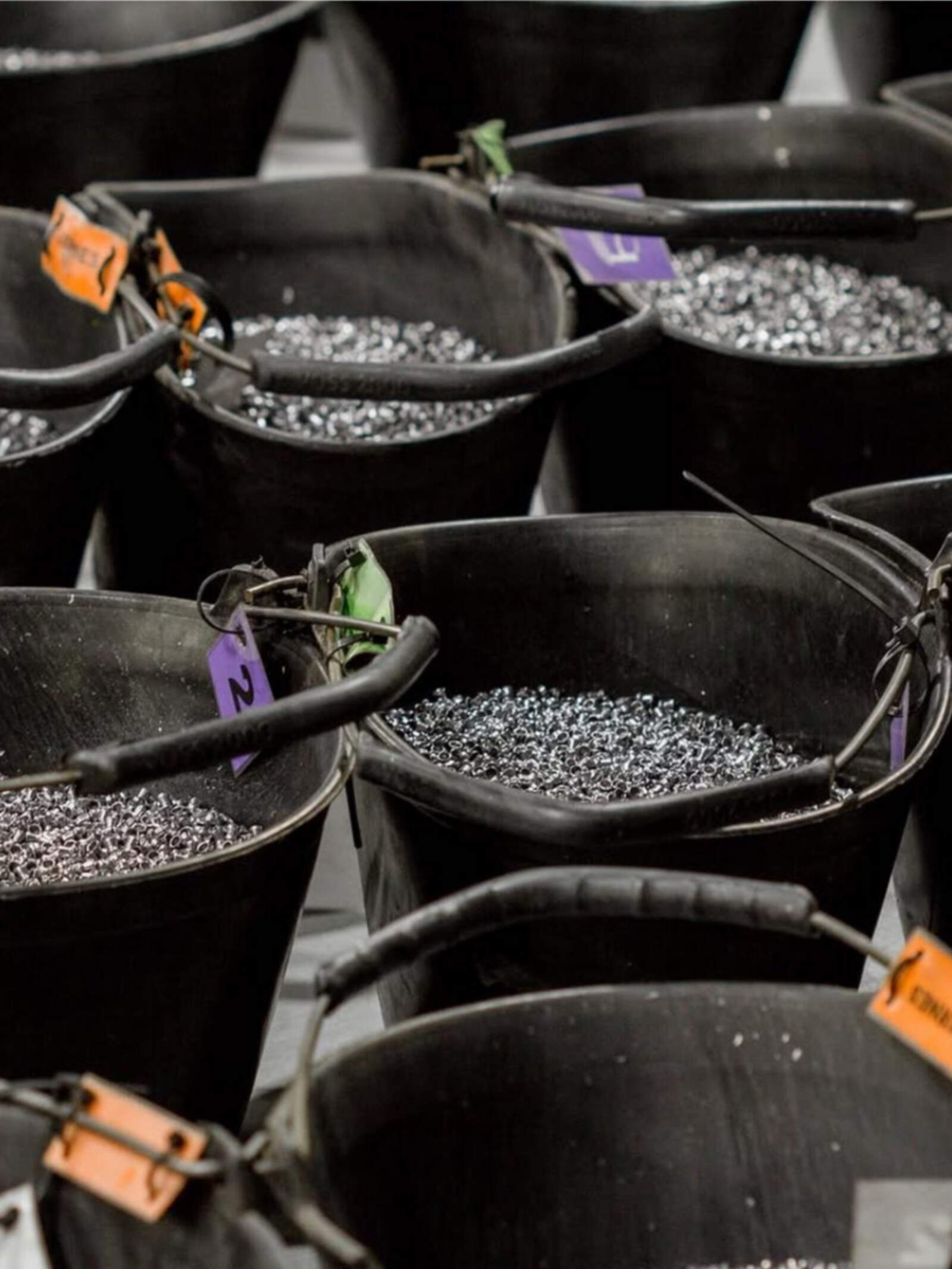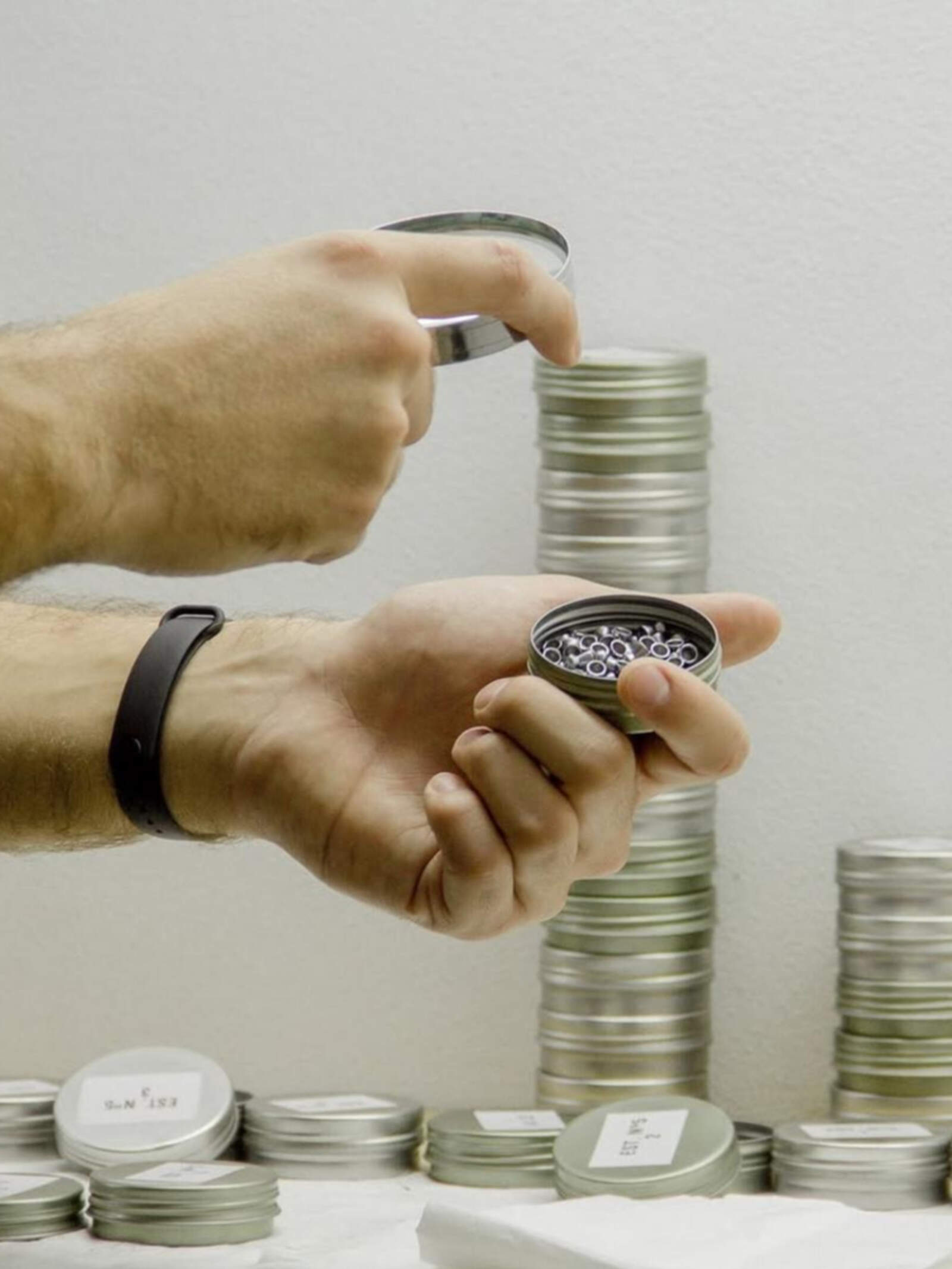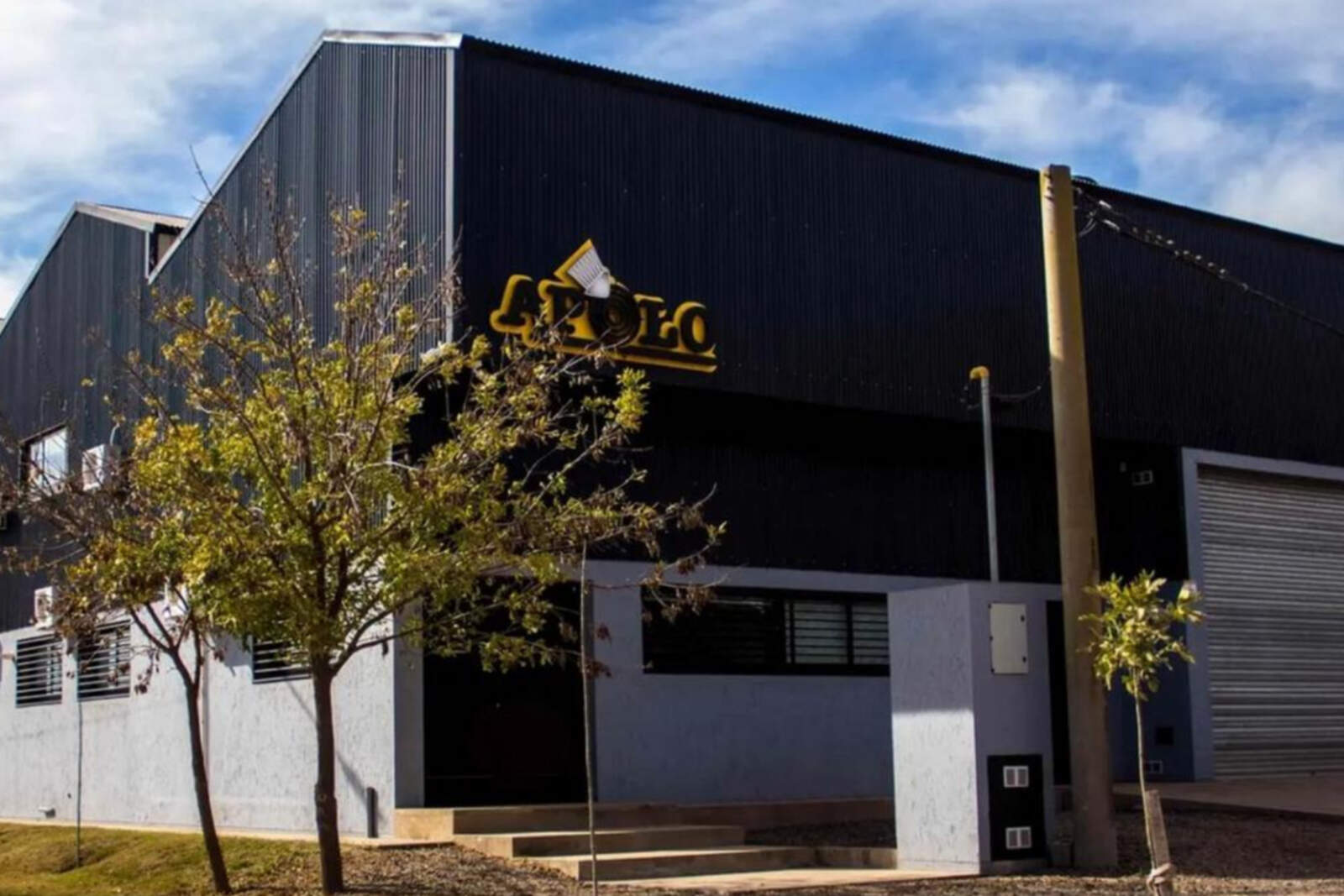

In 2001, while thousands of factories were closing, Fabio Moriconi decided to bet on local production. From a small rented warehouse in Justiniano Posse, Córdoba, he began manufacturing pellets for air guns. With a machine salvaged from a scrapyard, Apolo was born, a brand that today exports to five continents.
Moriconi juggled three jobs and a growing family, but he never abandoned his goal of placing the "Made in Argentina" label on the world stage. He visited stores in Córdoba and southern Santa Fe with a suitcase full of samples to convince merchants. In 2003, after the devaluation, he traveled to Buenos Aires and offered to produce locally for importers who brought in pellets from abroad.
His proposal was well received and marked the beginning of an import substitution process that strengthened the domestic market. Two years later, Apolo made its first export to Chile, thus opening its international path. Since then, the company hasn't stopped growing or incorporating technology.
Technology and international expansion
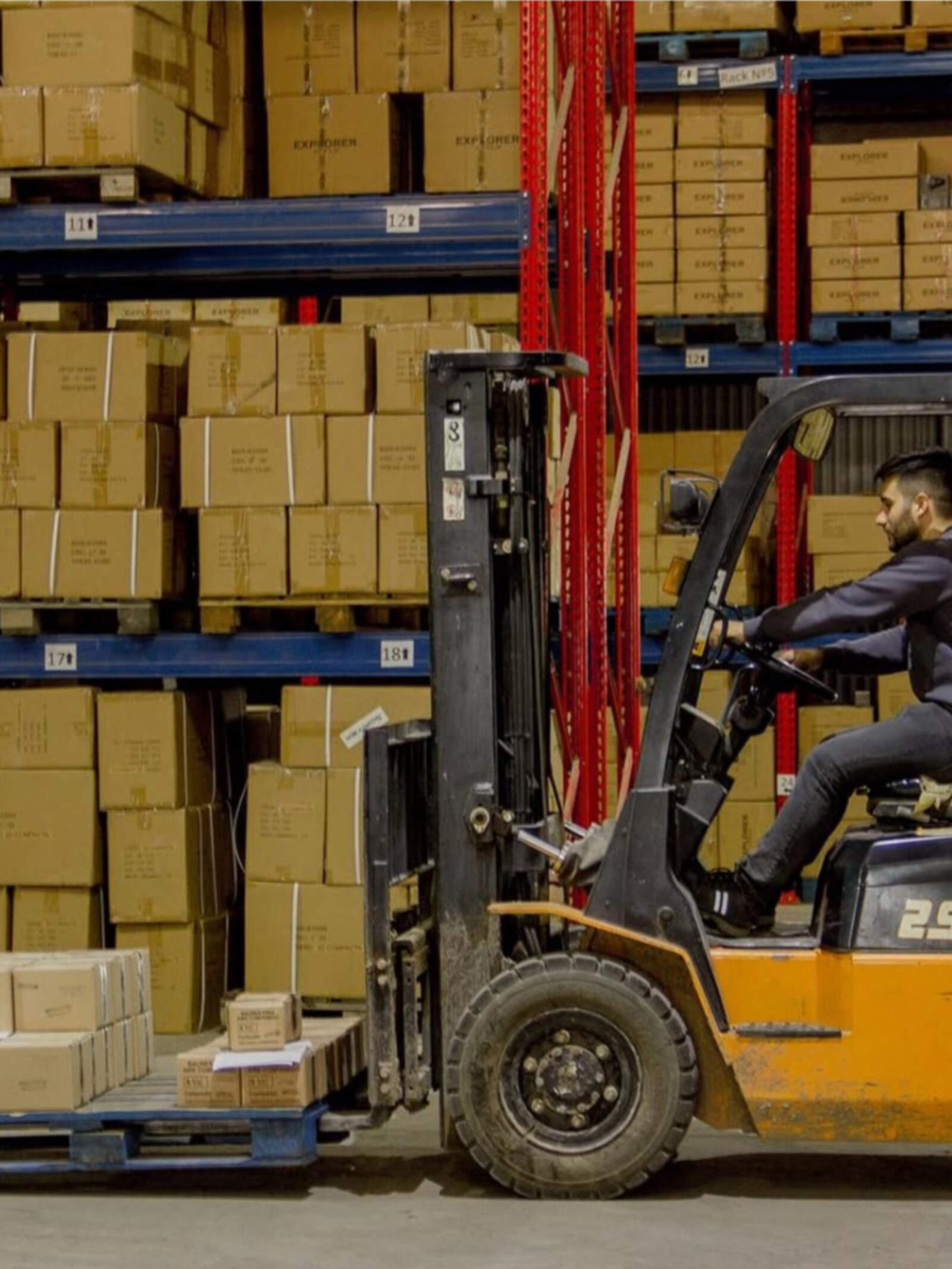
In 2008, in the midst of the global financial crisis, Moriconi traveled to Germany with an ambitious goal: to acquire cutting-edge machinery. Without his own capital, he negotiated a loan with European suppliers, who trusted his project. That decision marked a turning point, allowing Apolo to enter markets in Europe, Russia, India, and Africa.
Currently, the plant produces between 50 and 55 million pellets per month, with 40 employees working in two shifts. From Justiniano Posse, it supplies international brands and even manufactures for a German company with more than two centuries of history. Constant innovation and industrial discipline explain its global positioning.