The San Francisco-based company is betting on glocalization to compete with Asian products
Compartir:
Karikal, the Córdoba-based company with more than 60 years of experience, announced a new investment of $1.2 billion in its plant in Brazil. The company will increase its production capacity by 30% thanks to state-of-the-art technology and lower energy consumption. This improvement strengthens its position in the competitive Mercosur market, where it faces Asian giants.
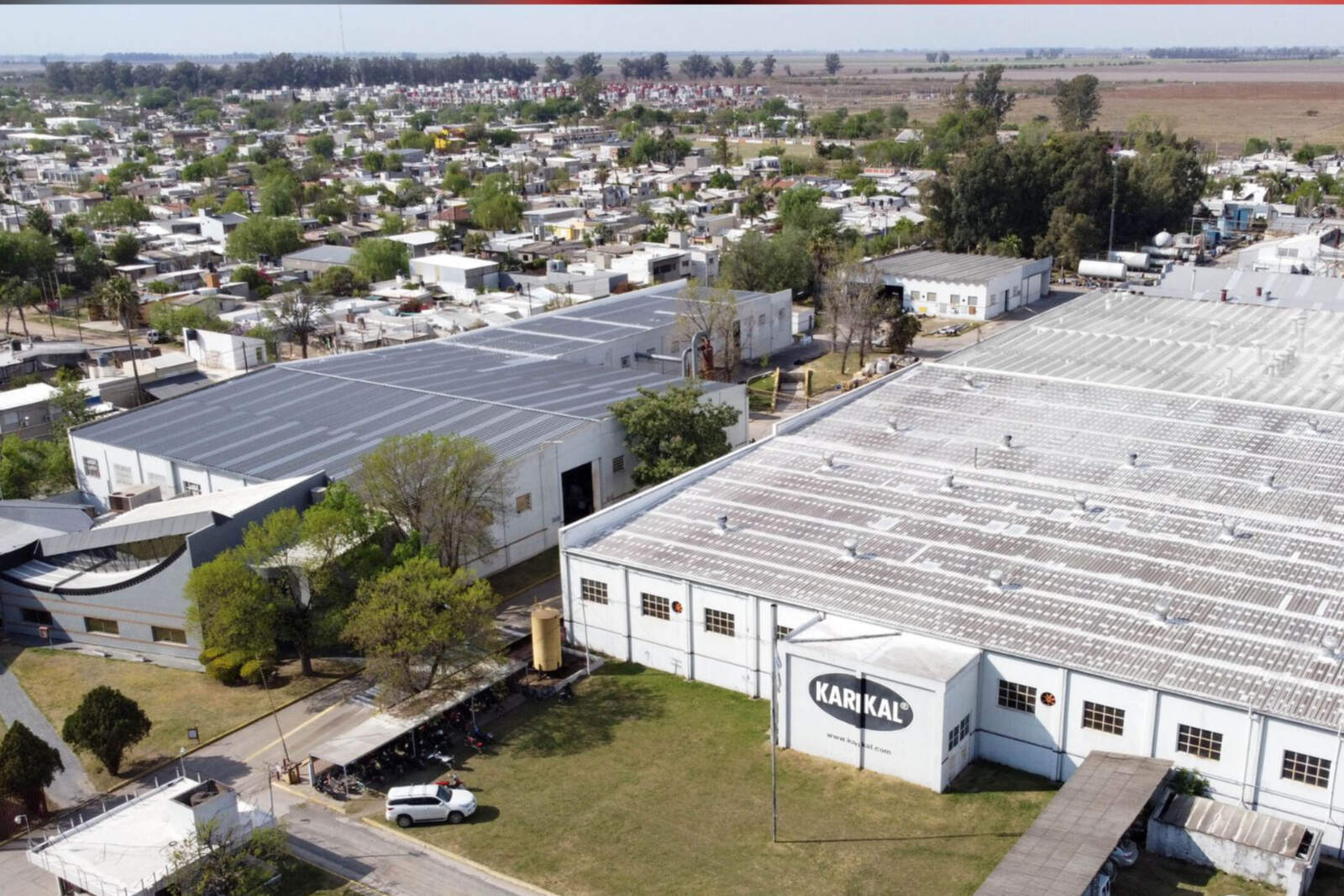
From its headquarters in San Francisco, it exports 30% of its production to more than 14 countries in America, Europe, Africa, and also to China. The company manufactures high value-added sheets for the furniture, construction, home appliances, and automotive sectors. It also develops special supplies such as electronic boards and panels for electrical switchboards.
Its investment strategy aims to add value in response to the influx of commodities from Asia, such as those coming from China and India. With this model, Karikal not only survives but also gains international ground thanks to differentiated products.
La compañía aumentará un 30% su capacidad productiva gracias a tecnología de última generación y menor consumo energético.
Investment in innovation and local production to export more and better
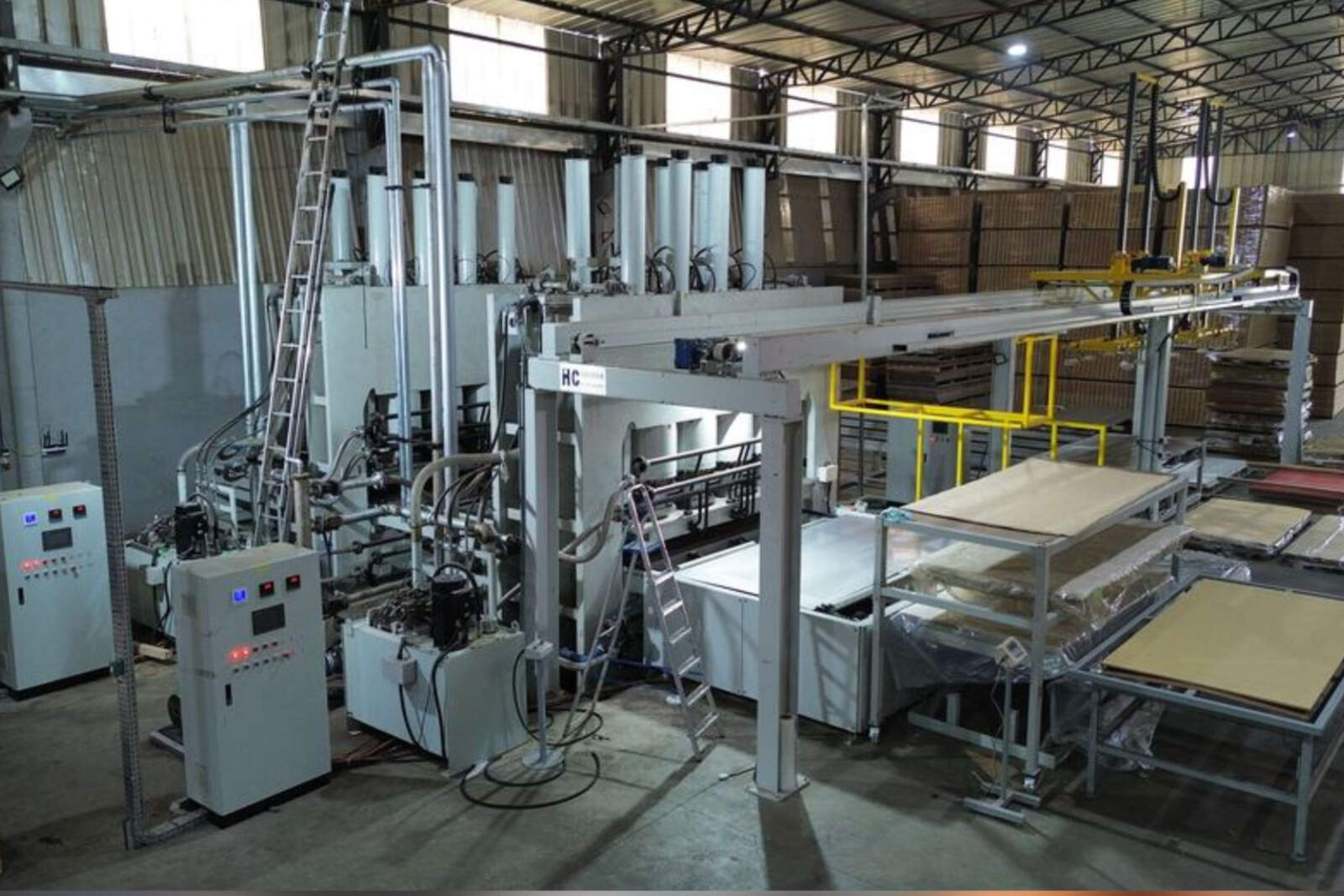
The new high-pressure laminate (HPL) press installed in Brazil provides energy efficiency and sustainability. The company incorporated it for $1.2 billion (U$S 850,000 at the blue dollar rate in October 2025). This machinery boosts its production capacity and reduces its dependence on imported supplies.
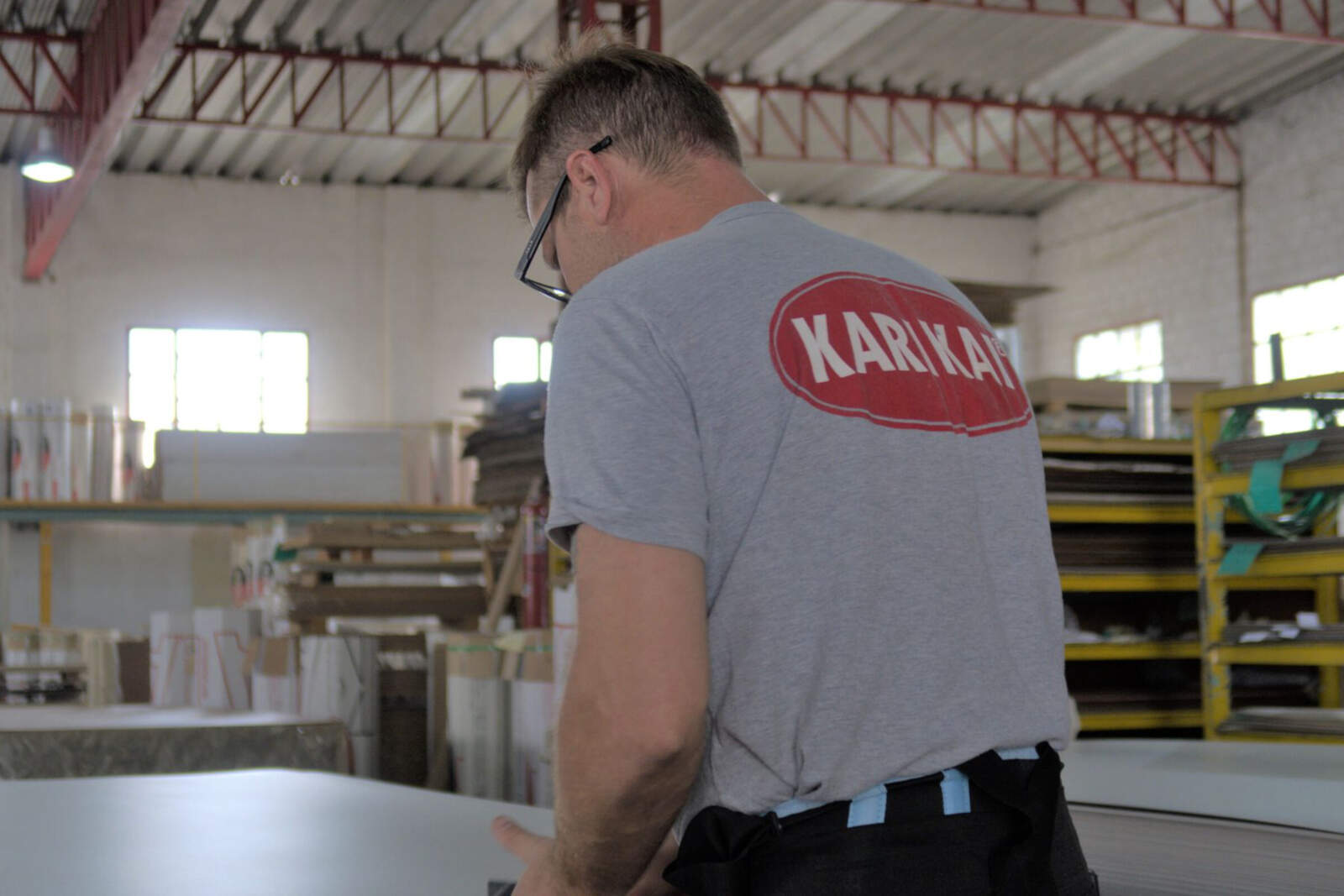
Back in 2023, it had invested $1 billion in Córdoba for an impregnator that quadrupled its production. This advancement allowed it to substitute imports, increase international competitiveness, and generate more local jobs. In total, Karikal has 420 direct and indirect workers between Argentina and Brazil.
The national industry is better positioned when it bets on technology and added value, regardless of the economic context. Faced with uncertain global markets, the company prefers to double down and produce more from Latin America.
La firma la incorporó por $1.200 millones, lo que representa U$S 850 mil al dólar blue de octubre de 2025.
Glocalization: think globally, act locally
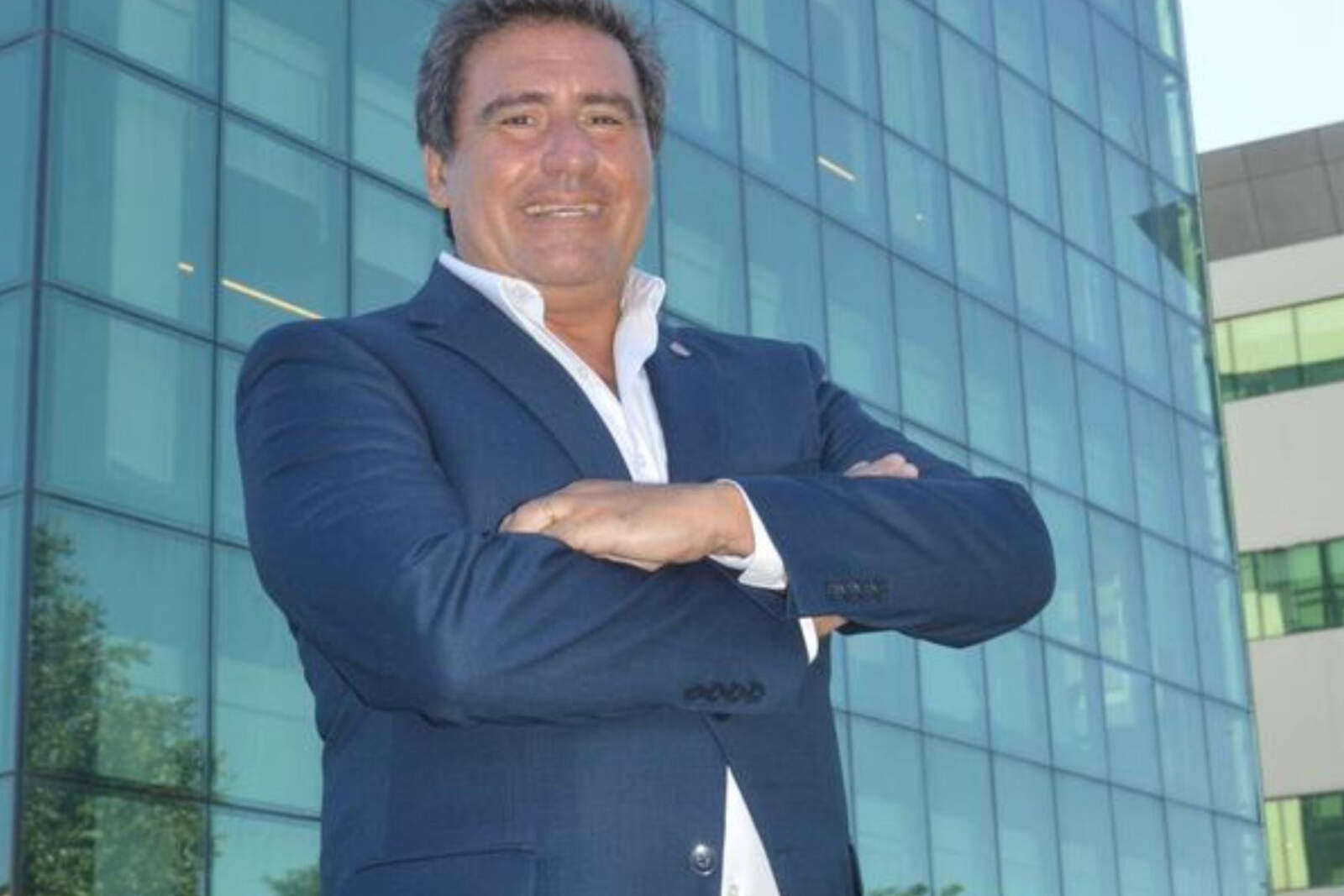
Daniel Parodi, CEO of Karikal, highlights the commitment to "glocalization," a concept that combines global vision with local action. "What can be done in the United States, we'll do from Córdoba; what can be done in Mercosur, from Brazil," he states. This strategy allows the company to operate flexibly in the face of each country's economic and commercial volatility.
Despite the stagnation in Brazil and instability in Argentina, Karikal moves forward with a regional and productive logic, without compromising quality. Its products have international ISO 9001 certifications, which allows it to compete against Asian suppliers. One of its most outstanding developments is a sheet for digital whiteboards, which it exports to China.
While many industrial sectors retreat in the face of Asian dumping, Karikal strengthens its global presence with technology, design, and innovation. This way, it consolidates its place as a reliable supplier to the world from the productive heart of South America.
Desde su sede en San Francisco, exporta el 30% de su producción a más de 14 países de América, Europa, África y también a China.
Technology and added value
The new plant in Brazil enables vertical integration, from supplies to the final product. This model reduces delivery times and allows the company to offer customized products in colors, textures, and uses. It also improves the efficiency of the logistics chain in Mercosur and other regions.
The formula seems clear: more investment, more added value, and more markets open to the world. In times when the industry needs to reinvent itself, Karikal offers a possible roadmap from Argentina and Brazil.