At the Central Livestock Expo, specialist Catalina Boetto discussed new perspectives for harnessing productive potential
Compartir:
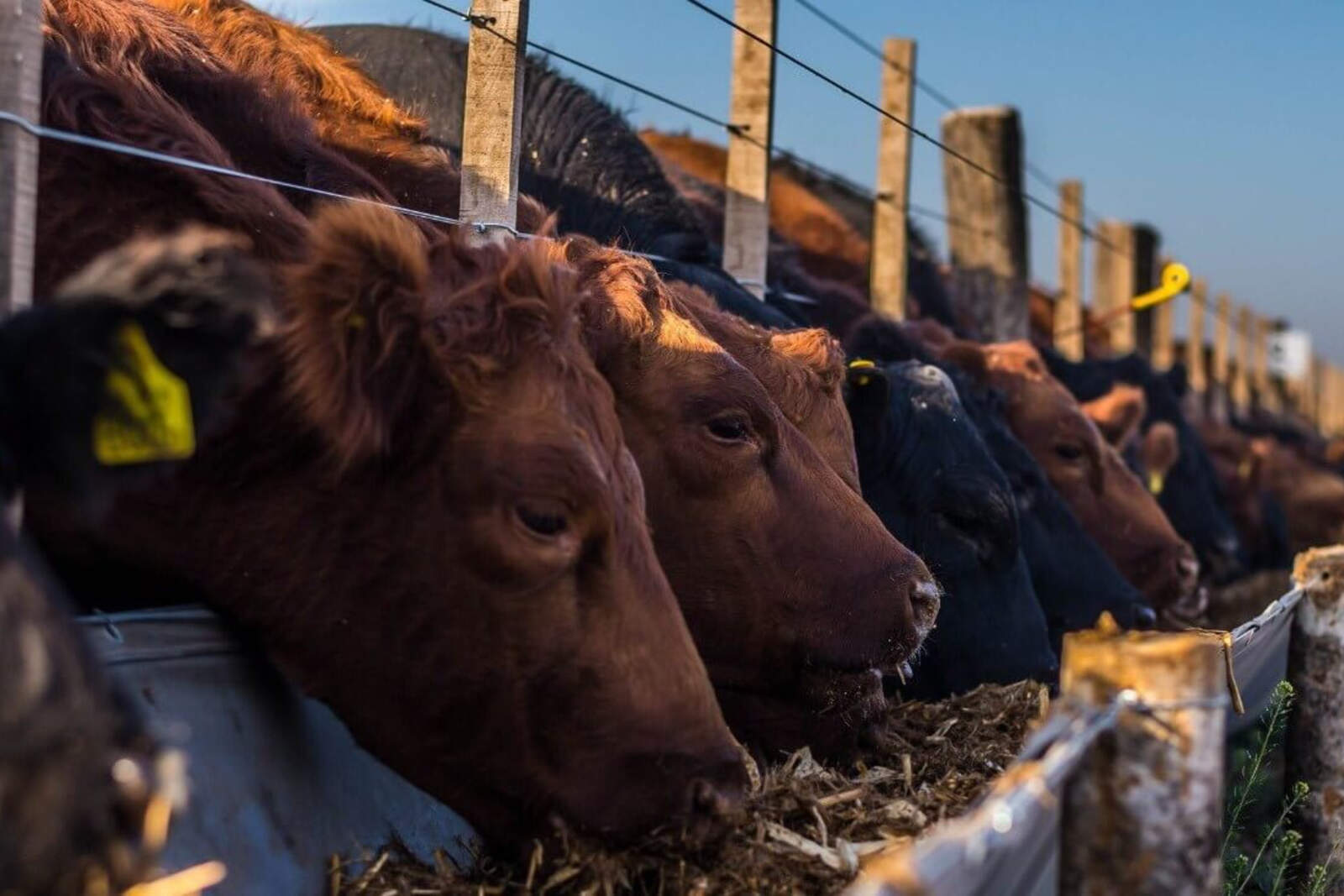
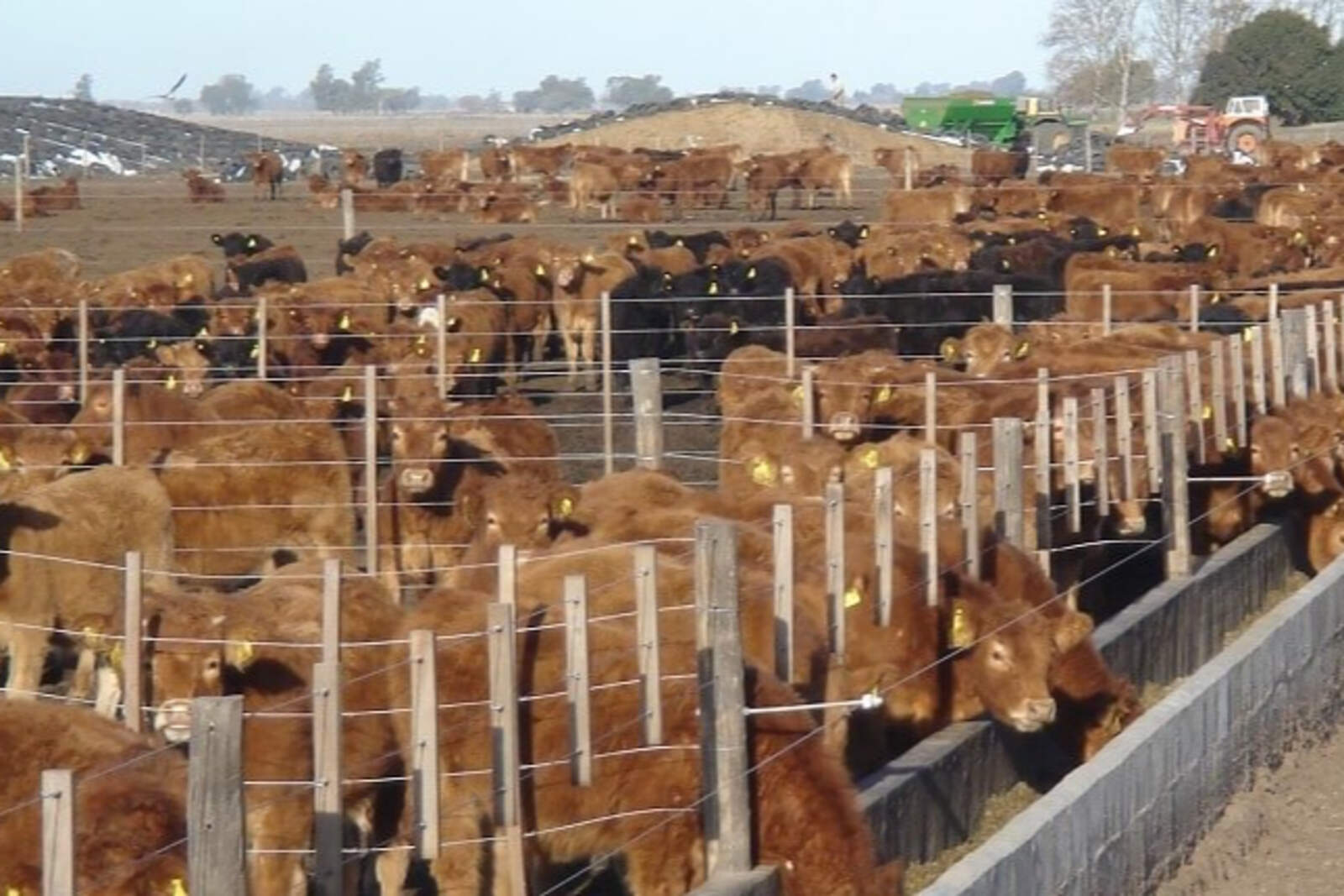
The second day of the Central Livestock Expo in Córdoba featured among its main figures Catalina Boetto, a specialist in livestock production, who delivered a presentation titled "Building Efficiency: the role of technology, genetics, and people in livestock production."
In a clear and forceful presentation, Boetto provided an assessment of the current state of livestock farming in Córdoba and Argentina, and made it clear that the future will depend on the ability to seize opportunities, adopt technology, and dare to produce in a different way.
Positioning Córdoba on the livestock map
The specialist emphasized that her intention was "to position Córdoba on the livestock map," without idealizations or false expectations.
La Expo Ganadera del Centro, en su primera edición, se convirtió en un escenario para proyectar una visión de largo plazo en el sector.
"The idea is not to deceive ourselves, but also not to boast about something we're not. We need to understand where livestock farming stands today: what we produce, how much we produce, how much we slaughter, what slaughter capacity we have, and where we should be looking," she stated.
In that regard, she explained that the main challenges are defined by global trends: producing quality meat, incorporating technologies in forage conservation, caring for the environment, and responding to increasingly demanding markets.
"Everything we saw in the presentations these days pointed us north, the way forward: quality food, value-added genetics, and sustainable systems. The question is how we get there," she added.
A recurring situation
Boetto did not hesitate to offer a critical assessment: "The situation is the same as it was 40 years ago. The same. But I'm very optimistic because I believe it can change, and change a lot."
For the specialist, Córdoba and the country have enormous potential that has not yet been reflected in productive results.
"The future will depend on combining the sector's potential with the opportunities the country offers. That's why I want to trust that Argentina will move forward with a clear model that is sustained over time. Livestock farming needs predictability, clear rules, and long-term policies. If we achieve that, the future is very promising," she assured.
Boetto recalled that in the various talks at the Expo, there was discussion of the "livestock boom" the region is experiencing, but she cautioned against confusion: "It has been a good year for livestock farming, but that doesn't mean we've changed the model. There is still a long way to go."
Youth and new perspectives, the key to Córdoba's livestock sector
When asked whether producers are now more willing to venture into the activity, Boetto was categorical: real change will come from new generations and from people who dare to think differently.
"Modern livestock farming will come from elsewhere: from young people, from people in other sectors who get involved in production with different ideas. Doing things the same way, we've already seen how that turns out. High prices, nothing more than that, are not enough. All the analysts have already said it: you don't make more money with high prices, you make money when you produce well and in an orderly, balanced country with reasonable taxes", she explained.
For Boetto, the path is clear: "What we need is a reasonable tax scheme, predictability, and above all, people who want to do things right. Argentine and Córdoba livestock farming have everything needed to achieve this, but we need to embrace change."
A look to the future
Boetto's message left attendees with a central reflection: the future of livestock farming will not depend solely on external opportunities, but on the internal capacity to take advantage of them.
With available technology, genetics, and knowledge, the challenge is to build efficiency, professionalize systems, and create a productive identity that places Córdoba and Argentina where the world demands.
The Central Livestock Expo, in its first edition, thus became the ideal setting to raise these discussions and project a long-term vision that combines innovation, sustainability, and added value in the livestock and meat chain.