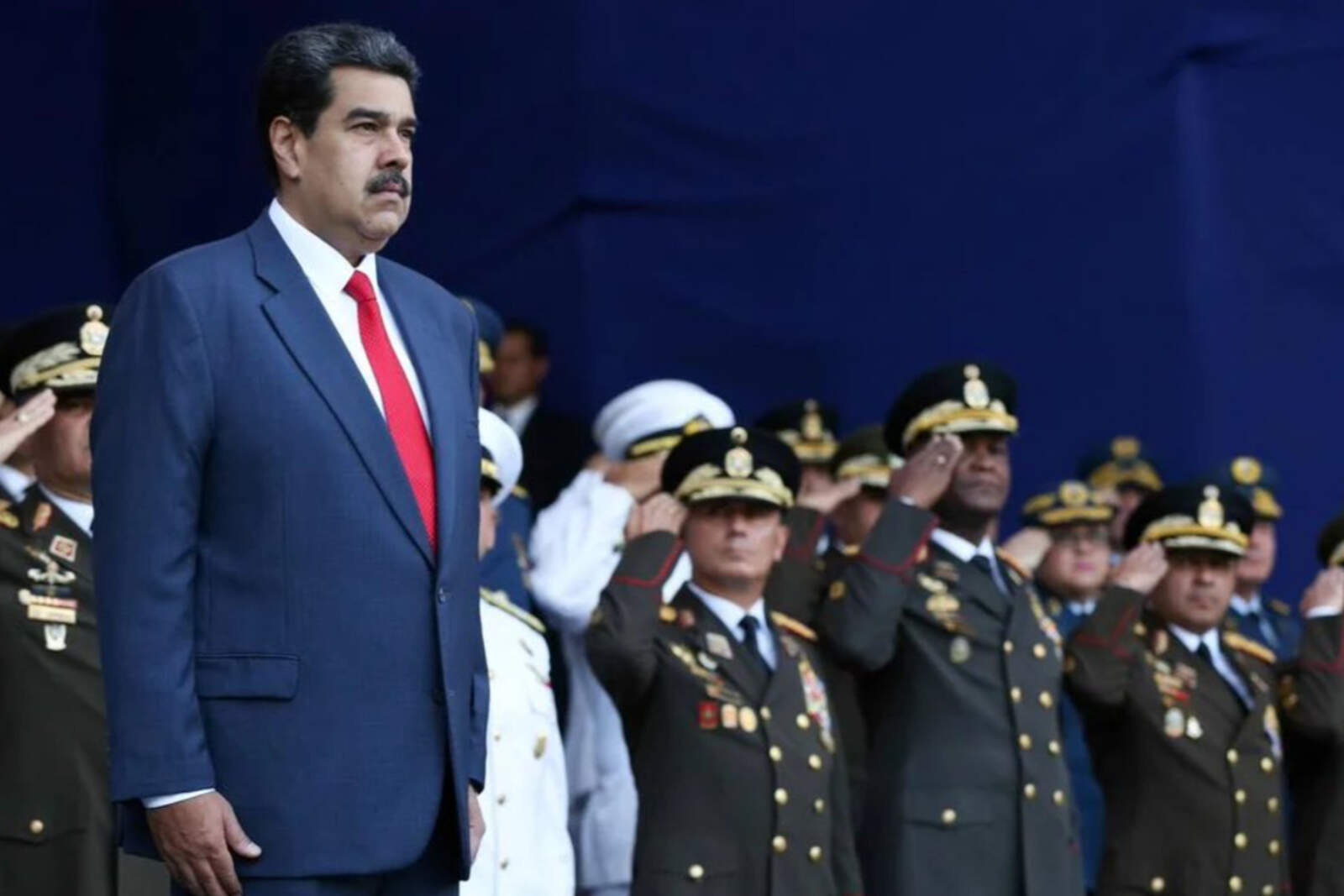
Caracas expressed its "deepest solidarity" with Cuba and thanked both Díaz-Canel and Raúl Castro for their "support and steadfast solidarity". In addition, it described the U.S. attack as "criminal and infamous".
Trump had anticipated the deaths
The official confirmations arrived hours after President Donald Trump publicly acknowledged that "many Cubans died" during Saturday's operation. "Unfortunately, there are many dead on the other side," stated the president to journalists aboard Air Force One.
Cuba admitió la muerte de 32 militares durante la operación de Estados Unidos que capturó a Nicolás Maduro
According to Venezuelan sources cited by The New York Times, the U.S. military operation left a total toll close to 80 dead and affected different areas of Caracas and the states of Aragua, Miranda, and La Guaira. U.S. officials indicated that at least half a dozen U.S. soldiers were wounded, although Trump did not officially confirm those figures.
Maduro before U.S. justice
Nicolás Maduro was extracted from Venezuela along with his wife, Cilia Flores, during Saturday's military operation. The former president must appear this Monday before federal judge Alvin K. Hellerstein in New York, where he faces charges of drug trafficking and terrorism.
The Department of Justice keeps that Maduro led for years a "narcoterrorism" structure intended to introduce tons of cocaine into the United States, using the Venezuelan state as a logistical and protective platform.
A strategic blow for Cuba
Maduro's capture also represents a severe blow to the Cuban regime, which is going through a deep economic and energy crisis. Trump stated that Cuba "is about to fall" and warned that the island will hardly be able to sustain itself without Venezuelan oil supplies.
"I don't think we should take any action. It seems that it's collapsing on its own", stated the U.S. president, reinforcing the political and symbolic pressure on Havana at a moment of extreme internal fragility.
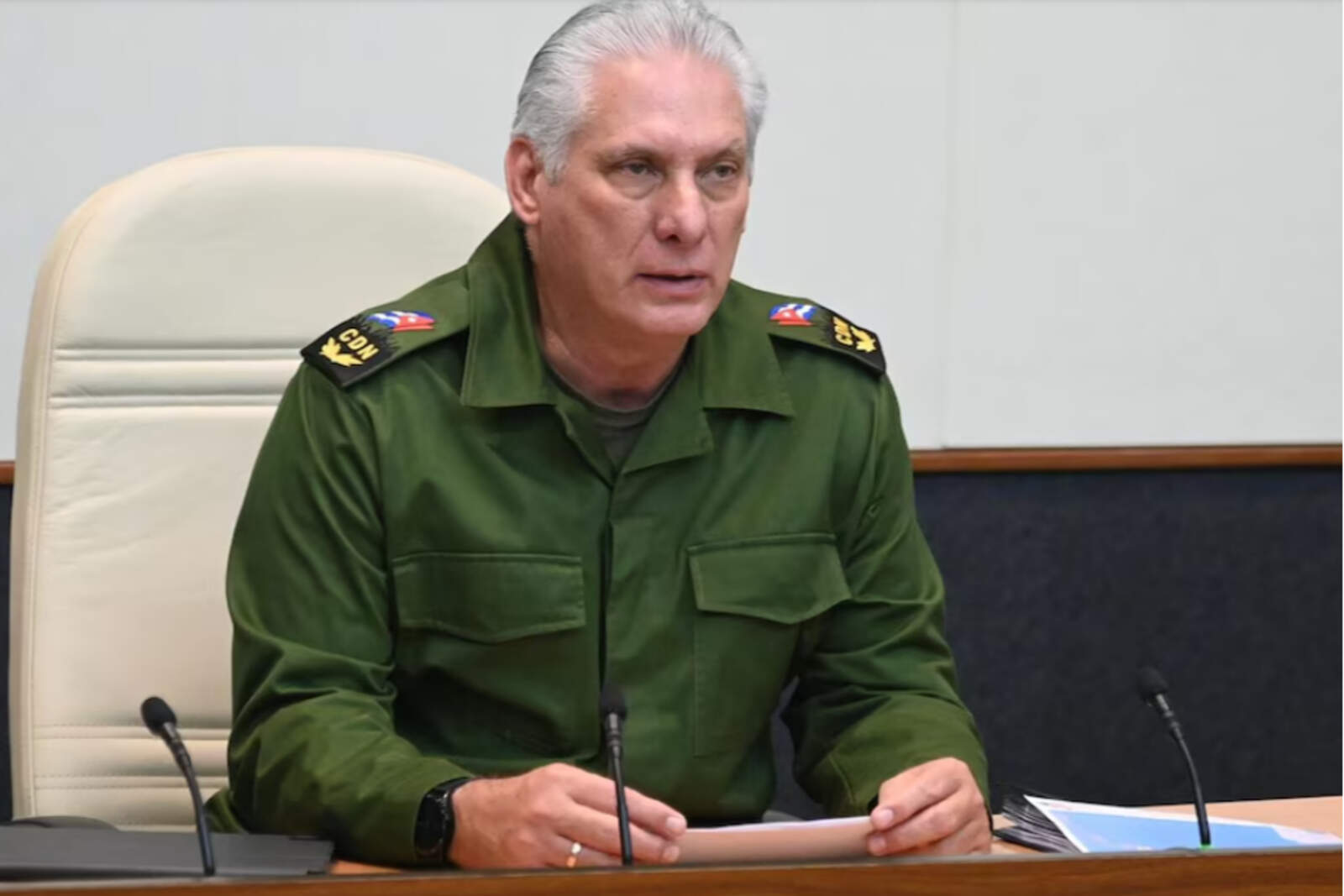
The Cuban regime confirmed this Sunday the death of 32 citizens of the island during the military operation carried out by the United States in Venezuela, which concluded with the capture of former dictator Nicolás Maduro. The information was released through an official statement broadcast by Cuban state television.
According to the text, all the deceased belonged to the Revolutionary Armed Forces (FAR) or the Ministry of the Interior and were in Venezuelan territory carrying out security missions "at the request of counterpart agencies" of the Chavista regime. This is the first public admission by Havana regarding the presence of Cuban military personnel in operational tasks inside Venezuela, a fact that for years was denied by both the Cuban and Venezuelan governments.
Acknowledgment of casualties and silence about specific functions
The official statement indicated that the Cuban military personnel "fulfilled their duty with dignity and heroism" and that they died "after fierce resistance, in direct combat against the strikers or as a result of the bombings of the facilities". However, the regime did not specify what their specific functions were or detail the exact locations where the clashes took place.
Cuba admitió la muerte de 32 militares durante la operación de Estados Unidos que capturó a Nicolás Maduro
This acknowledgment exposes the level of involvement of the Cuban security apparatus in the protection of political power in Venezuela, particularly in safeguarding the Chavista leadership.
Díaz-Canel's message and the national mourning
Miguel Díaz-Canel expressed himself through the social network X, where he described the deceased military personnel as "brave fighters" and accused the United States of having acted as "terrorists in imperial uniform". The president maintained that the dead Cubans were protecting "the lives of the president of Venezuela and his wife" at the express request of the Chavista regime.
In his message, Díaz-Canel expressed his "pain and indignation" and decreed two days of national mourning starting Monday, in tribute to the fallen personnel.
Support from the Venezuelan regime
The Venezuelan government also paid tribute to the deceased Cuban military personnel. Through a statement released by Foreign Minister Yván Gil on Telegram, the regime asserted that the personnel "gave their lives fulfilling their duty" and that they were carrying out "tasks of institutional protection and defense" as part of bilateral cooperation.