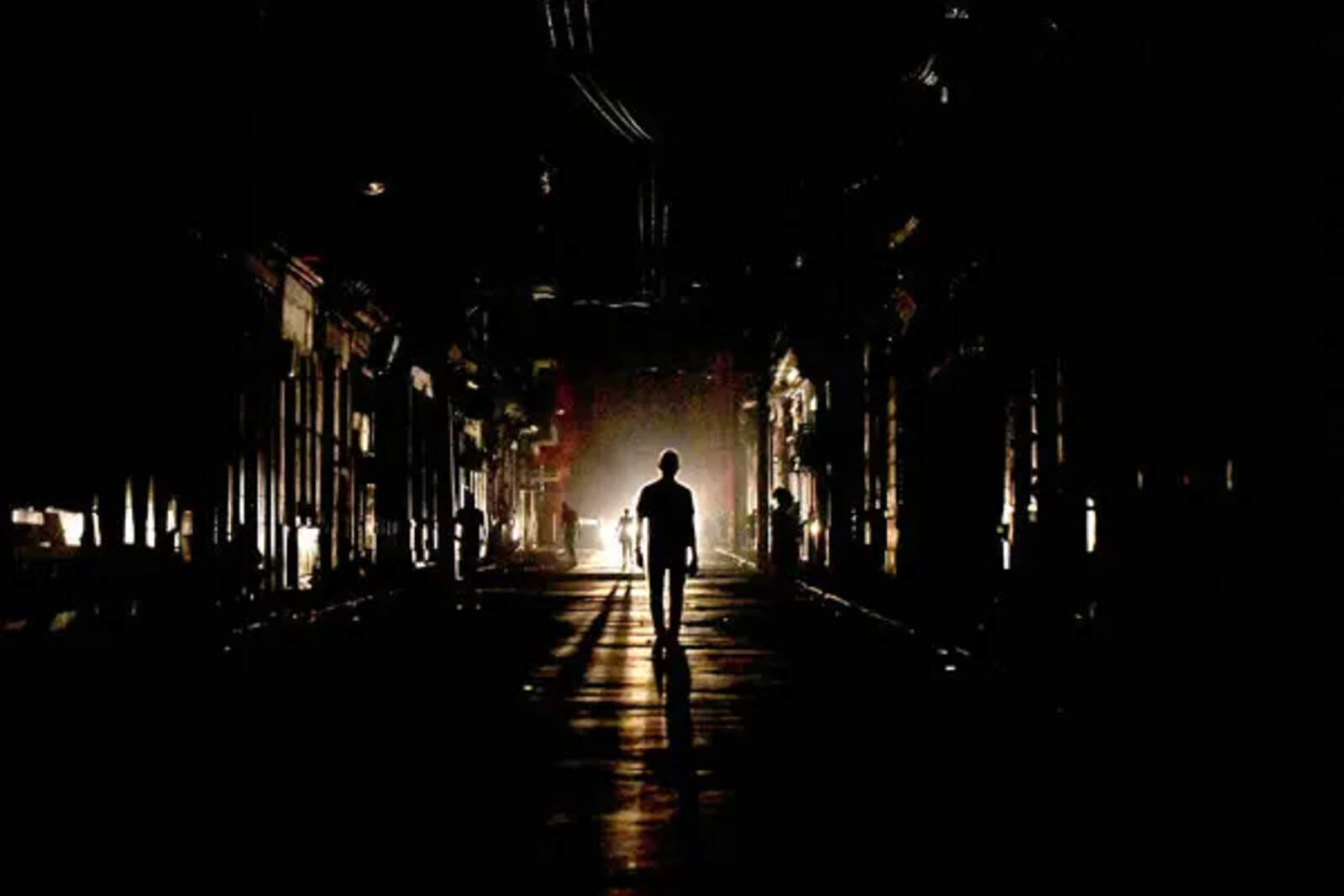

Cuba experienced another total collapse of its national electrical system on Wednesday, leaving the island's 9.7 million inhabitants completely without electricity. According to the National Electric Union, which is controlled by the communist state, the blackout occurred at 9:14 a.m. local time, and although some services began to be slowly restored by nightfall, the majority of the population remained in the dark.
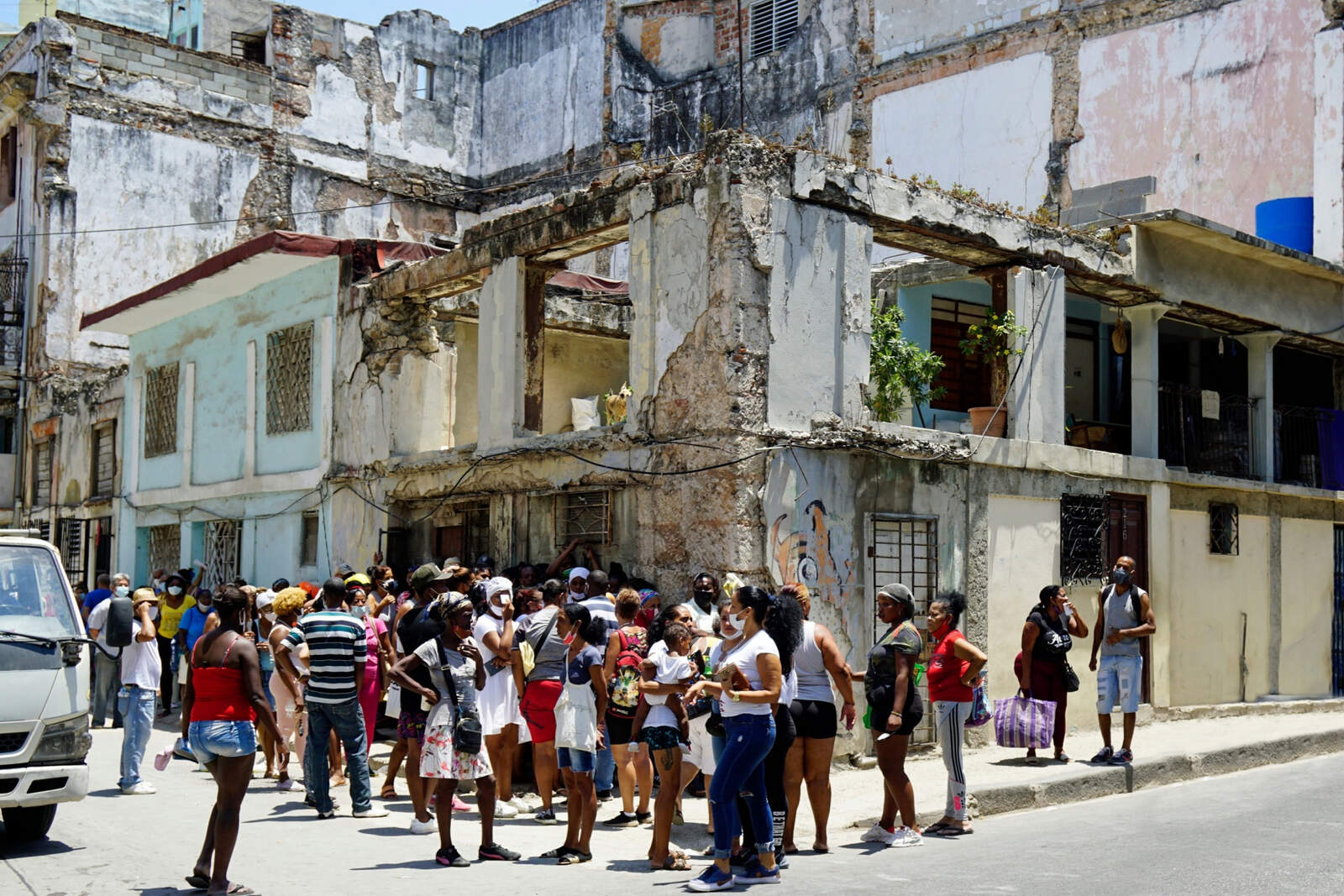
In Havana, with more than 2 million residents, the authorities reported that they were attempting to restart the main power plants. However, the lack of clear information, the slow response, and the deterioration of the electrical system have only deepened citizens' desperation.
This is the fourth total collapse of the electrical system in less than a year, a reflection of an obsolete, inefficient, and poorly managed energy system, a direct consequence of decades of state control, corruption, and incompetence by the communist regime. The Ministry of Energy and Mines itself admitted that there was a "total disconnection of the electrical system," without providing details about the causes, limiting itself to saying that "they are being investigated."
The truth is that the situation did not take Cubans by surprise. Before the collapse, the majority were already suffering blackouts of up to 16 and 20 hours a day, something that has become routine in recent years. This energy crisis adds to a long list of calamities caused by the economic failure of the communist system, which has led the country into its worst crisis in decades.
For months, Cuba has suffered from chronic shortages of food, medicine, fuel, and basic products, and the population faces an increasingly unsustainable situation. The decrease in oil imports from Venezuela, Russia, and Mexico has left the old thermoelectric plants, which are based on fossil fuels, practically paralyzed.
The government tries to justify the blackouts with technical excuses and the U.S. embargo, but citizens are increasingly outraged. "This country can't take any more. It's one misfortune after another," said a small business owner in Havana, who, like many others, preferred not to give his name for fear of reprisals.